
A guide to cable clips
author: Kylie
2023-02-13
How to use cable clips
Cable clips come in different designs, but they all have a cradle or hook for securing the cable in place. How you mount and affix the clip to a surface can also vary, as illustrated by the different types, below. Some have a hole for your fastener to secure the clip to your surface. Of course, the surface will have to be suitable for nails or screws. You can attach cable to walls without nails with self-adhesive cable clips. Peel off the backing and stick the clip to your surface to secure cable to walls or anywhere else.
Whenever you’re thinking about wiring, you need to consider flammability ratings. We urge you to check out Standards and approvals in cable protection. This will help you choose the right wire fastener clips not only for your application, but also for meeting safety standards.
What’s the difference between a cable clamp and cable clip?
Cable clamps play a crucial role in defining the routing and organization of wires and cables, ensuring they are kept in place and follow a specific path. These clamps help manage the layout of cables, preventing tangling or damage. On the other hand, cable clips, also known as cable mounting clips or wire mounting clips, are used to secure cables or wires directly to surfaces such as walls, ceilings, or panels. While cable clamps can sometimes serve the same purpose as cable clips, they are generally more specialized for securing cables in place under various conditions. To learn more about selecting the right cable clamp for your needs, refer to our Guide to Choosing the Right Cable Clamp.
Types of cable clips and their uses
Cable clips, which include wire clips (also referred to as cable wire clips), as well as various types of clamps and wire saddles, are essential tools used to secure and organize wires, cables, and other flexible materials in place for both safety and convenience.
Metal cable clips vs. plastic cable clips
Metal clips for electrical wiring are available as stainless-steel cable clips, steel and even aluminum, copper. Steel cable clips are usually zinc plated to protect against corrosion. Of course, stainless steel is famously corrosion resistant, as is aluminum. Rubber cable clips, such as P-clips, are usually stainless steel or steel with a rubber lining, as in the example above. These materials make them excellent at electrical insulation and vibration absorption.
If there’s a chance your copper or brass cable clip will come into contact with galvanized steel, choose another material. The contact will induce rapid corrosion. In these instances, plastic wire clips, such as nylon cable clips, are a great choice. Nylon is also an extremely cost-effective way to manage cables.
Application is important when deciding between metal and plastic. If wiring a building, any plastic clips – or any plastic cable management solution – should not be used as the only method of support. Use metal supports along a building’s entry and exit routes in case of fire, for the simple reason that plastic melts and falling cables are an obvious hazard. Always check your local guidelines and requirements. Plastic is a safe bet for most other applications.
Cable clips come in different designs, but they all have a cradle or hook for securing the cable in place. How you mount and affix the clip to a surface can also vary, as illustrated by the different types, below. Some have a hole for your fastener to secure the clip to your surface. Of course, the surface will have to be suitable for nails or screws. You can attach cable to walls without nails with self-adhesive cable clips. Peel off the backing and stick the clip to your surface to secure cable to walls or anywhere else.
Whenever you’re thinking about wiring, you need to consider flammability ratings. We urge you to check out Standards and approvals in cable protection. This will help you choose the right wire fastener clips not only for your application, but also for meeting safety standards.
What’s the difference between a cable clamp and cable clip?
Cable clamps play a crucial role in defining the routing and organization of wires and cables, ensuring they are kept in place and follow a specific path. These clamps help manage the layout of cables, preventing tangling or damage. On the other hand, cable clips, also known as cable mounting clips or wire mounting clips, are used to secure cables or wires directly to surfaces such as walls, ceilings, or panels. While cable clamps can sometimes serve the same purpose as cable clips, they are generally more specialized for securing cables in place under various conditions. To learn more about selecting the right cable clamp for your needs, refer to our Guide to Choosing the Right Cable Clamp.
Types of cable clips and their uses
Cable clips, which include wire clips (also referred to as cable wire clips), as well as various types of clamps and wire saddles, are essential tools used to secure and organize wires, cables, and other flexible materials in place for both safety and convenience.
Metal cable clips vs. plastic cable clips
Metal clips for electrical wiring are available as stainless-steel cable clips, steel and even aluminum, copper. Steel cable clips are usually zinc plated to protect against corrosion. Of course, stainless steel is famously corrosion resistant, as is aluminum. Rubber cable clips, such as P-clips, are usually stainless steel or steel with a rubber lining, as in the example above. These materials make them excellent at electrical insulation and vibration absorption.
If there’s a chance your copper or brass cable clip will come into contact with galvanized steel, choose another material. The contact will induce rapid corrosion. In these instances, plastic wire clips, such as nylon cable clips, are a great choice. Nylon is also an extremely cost-effective way to manage cables.
Application is important when deciding between metal and plastic. If wiring a building, any plastic clips – or any plastic cable management solution – should not be used as the only method of support. Use metal supports along a building’s entry and exit routes in case of fire, for the simple reason that plastic melts and falling cables are an obvious hazard. Always check your local guidelines and requirements. Plastic is a safe bet for most other applications.
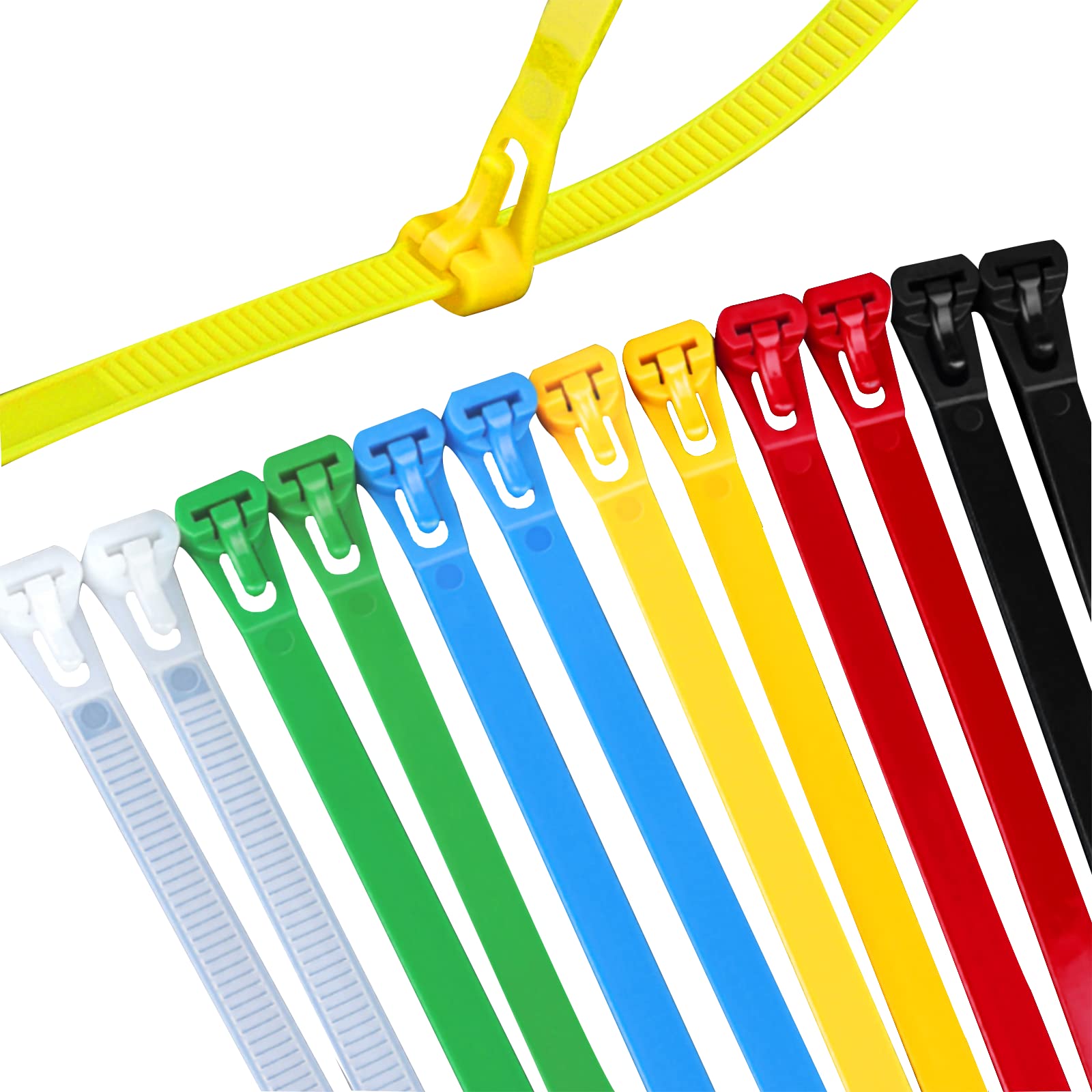 Releasable Cable Ties: The Reusable, High-Performance Fastening Solution
  We are on the way Let us meet at the Hongkong Fair to create more business!
  We are on the way. Let's meet at the Canton Fair to create more business!
 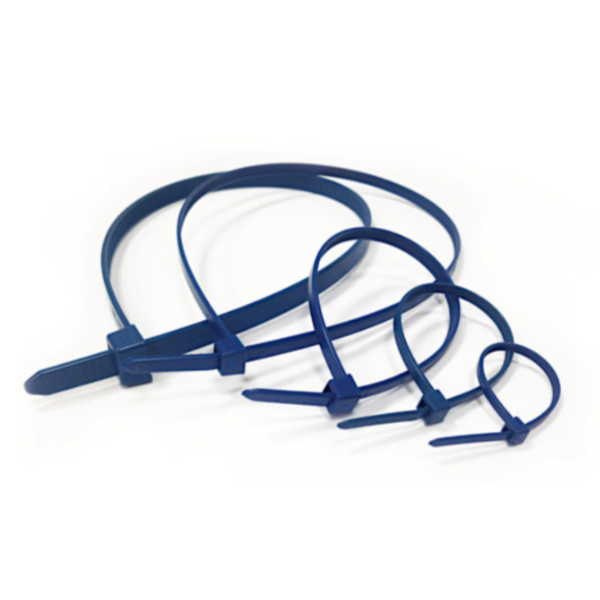 Installing Metal Cables Ties
 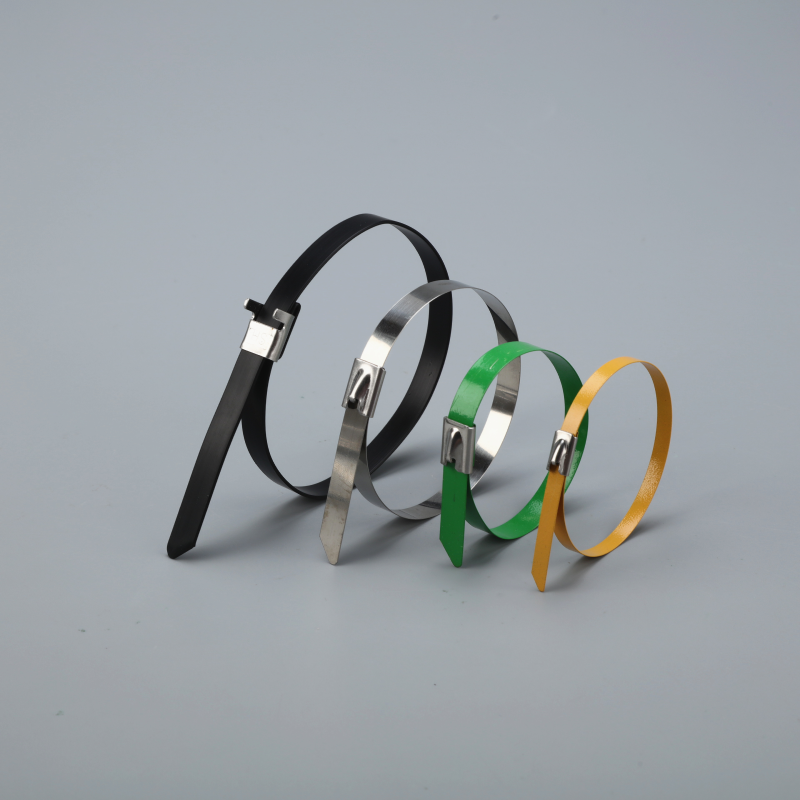 How to Use Metal and Stainless Steel Zip Ties
 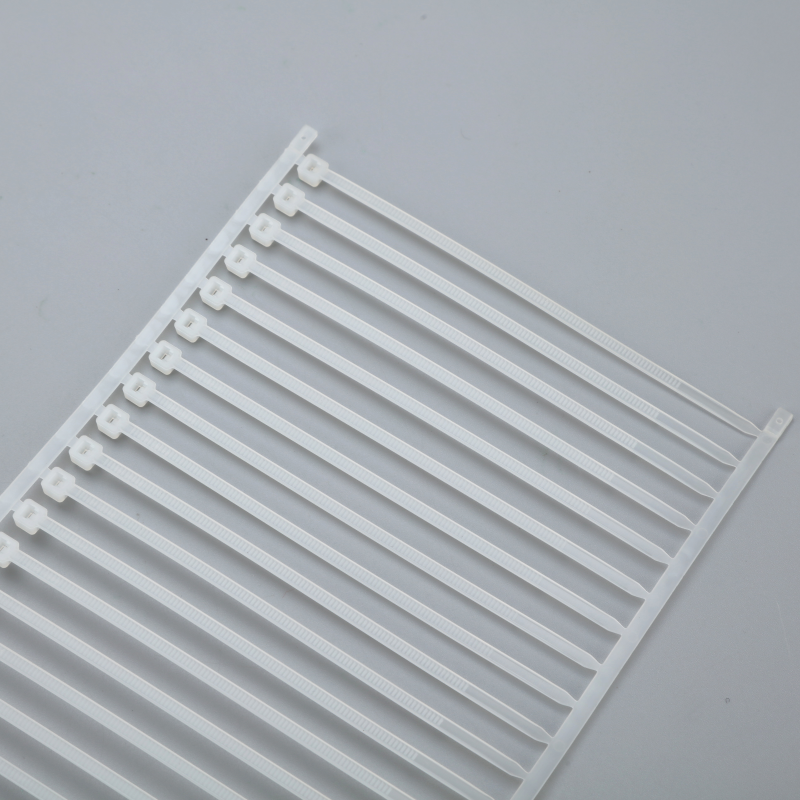 How to use Reel Fed Cable Ties
 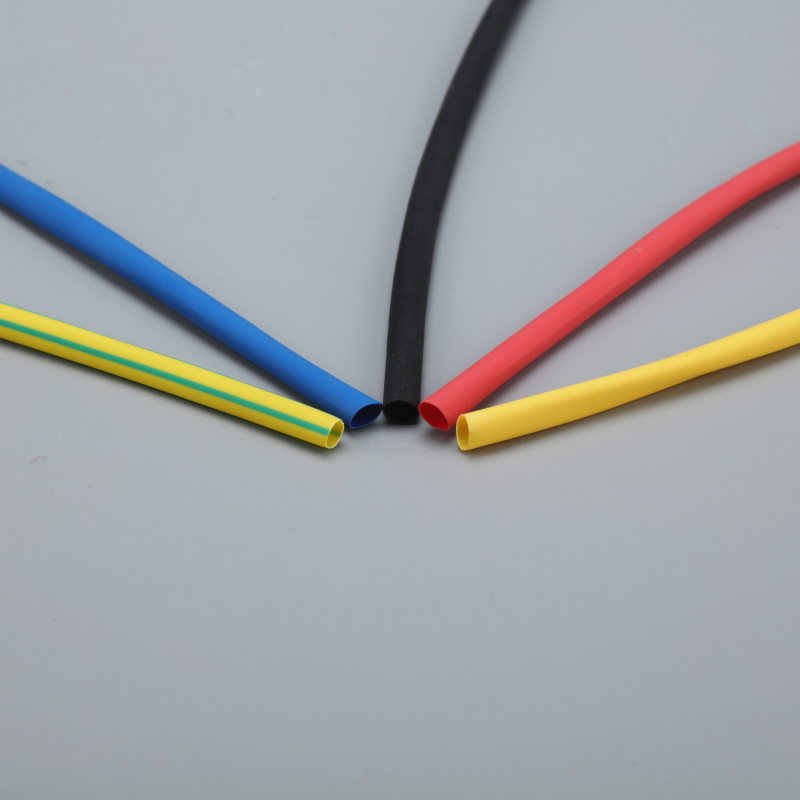 Heat-shrink tubing
 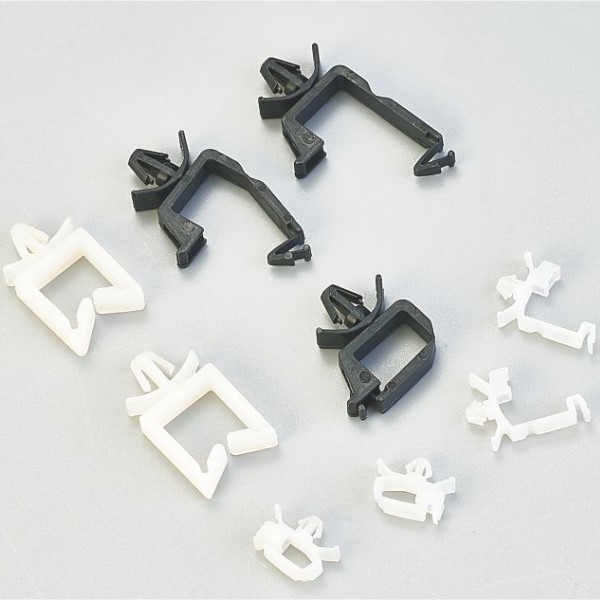 The Features of The Features of Locking Wire Saddle
  Cable Tie Mounts
 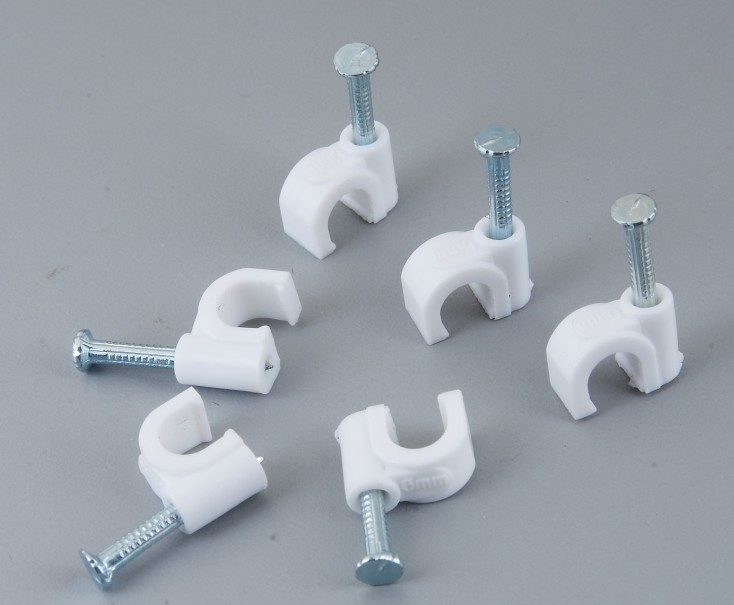 How about Cable Clips ?
 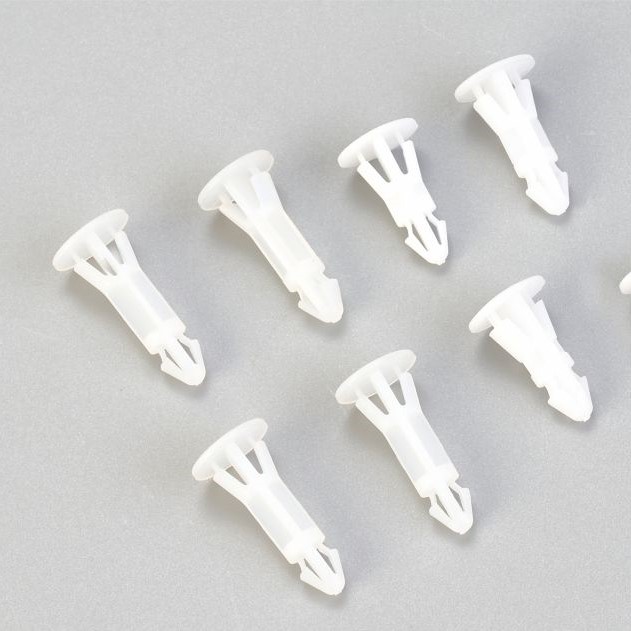 How to use plastic expansion tube ?
  The 133rd Canton Fair exhibition of Huihua Electronics
 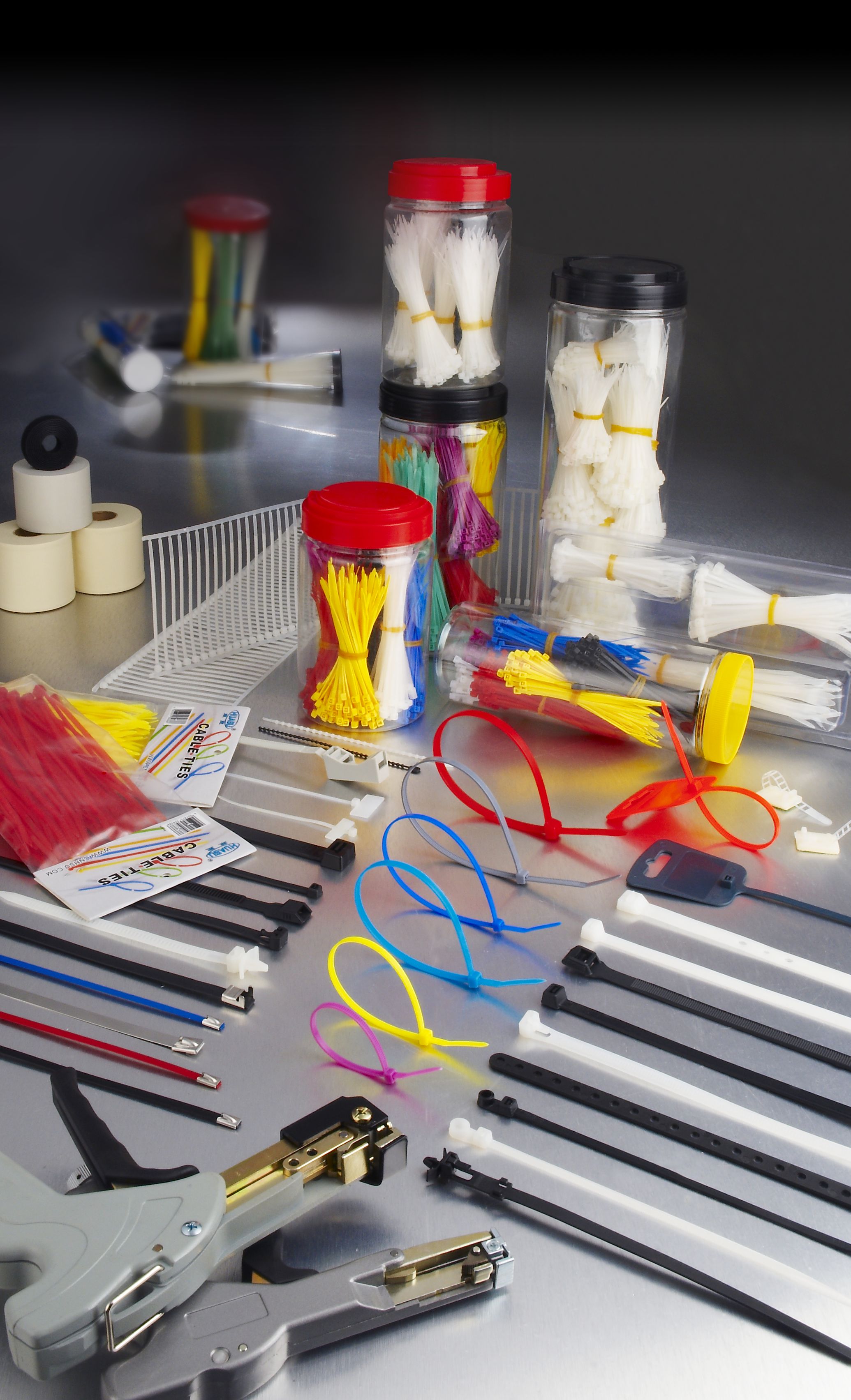 Cable ties
 - What Are Cable Ties?
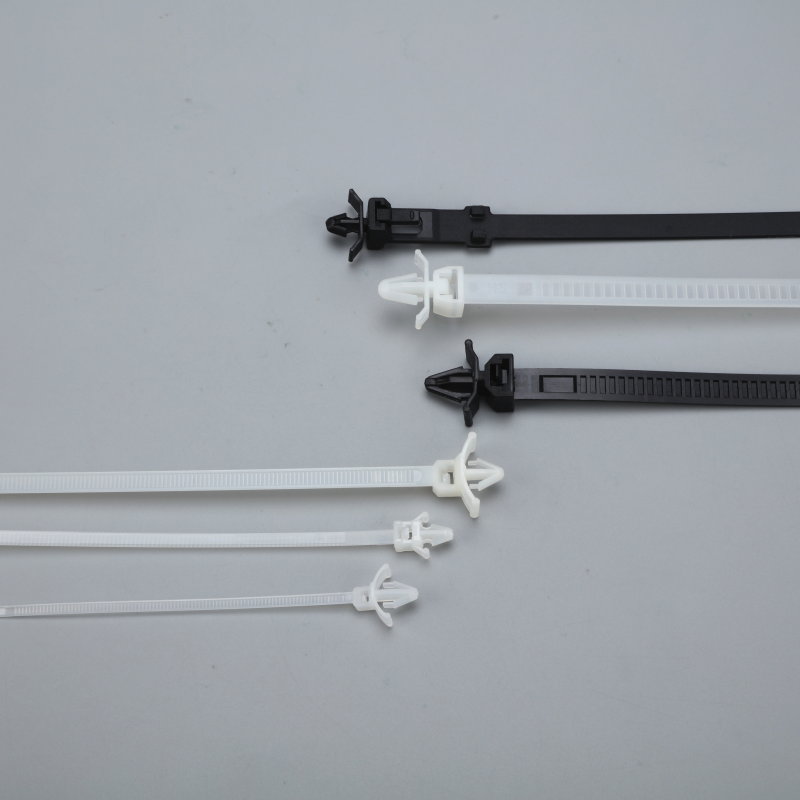 All kinds of cable ties
  What can we do for you today?
 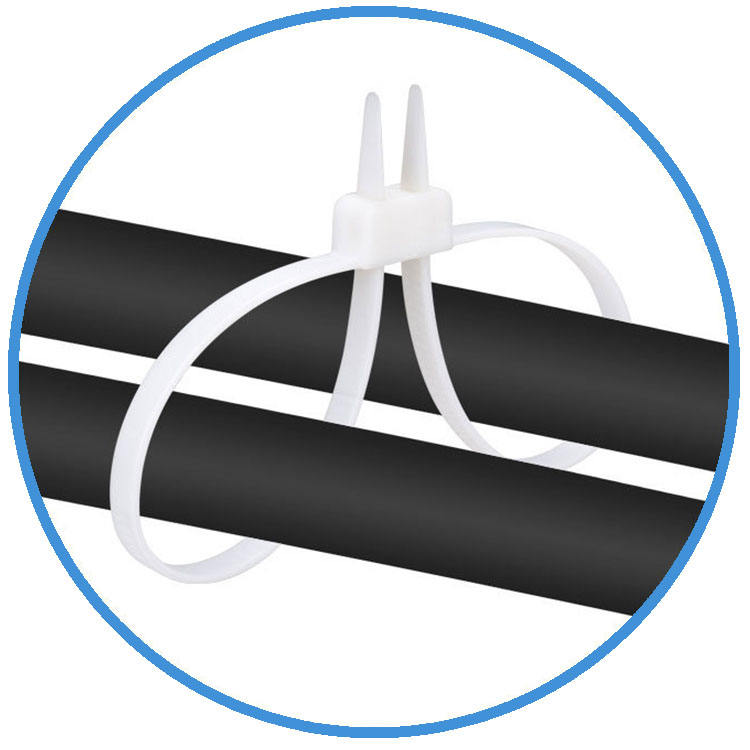 Nylon Cable Ties of Application
 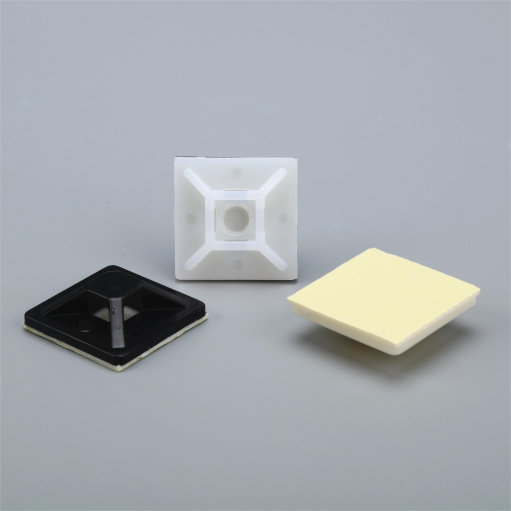 A guide to Self-adhesive Tie Mount
  How to use Stainless Steel Cable Ties
 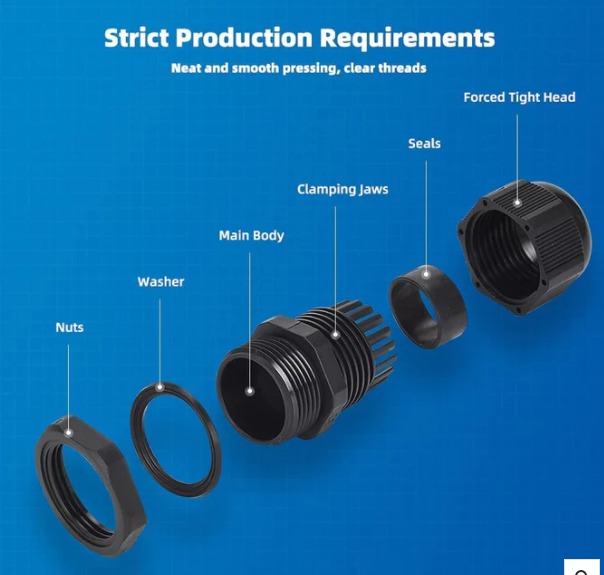 What are the types of cable glands and how to use them?