
Heat-shrink tubing
Heat-shrink tubing is a versatile and essential product in many industries, especially in electronics, automotive, telecommunications, and other fields that require the protection and insulation of wires and cables. This tubing is manufactured in various types and chemical compositions, with the exact material chosen based on the specific application and the environmental factors the tubing will face. The wide range of options ensures that heat-shrink tubing can meet the diverse needs of different sectors, providing superior protection, safety, and reliability in a range of demanding conditions.
The manufacturing process of heat-shrink tubing typically involves extruding a polymer material, such as polyolefin, and then cross-linking it through irradiation or other methods to enhance its strength and durability. This process ensures that the tubing will shrink tightly when heat is applied. The tubing is designed to shrink to a specific ratio, typically between 2:1 and 6:1, depending on the type of tubing being used. This allows it to snugly conform to the shape of the underlying wire or component, providing a secure and reliable insulation.
To apply the tubing, it is heated using various methods. Common techniques include placing the tubing in an oven, applying direct heat with a hot air gun, or using another source of hot gas flow. As the tubing is exposed to heat, it begins to shrink, wrapping tightly around the wire, joint, or component it is covering. This tight fit helps prevent any unwanted movement or strain that could potentially damage the electrical components or connections. Once the tubing has shrunk and cooled down, it forms a permanent, skintight barrier that offers excellent protection against mechanical stress, moisture, dust, and other contaminants.
Heat-shrink tubing is available in a wide variety of colors, which are often used for color-coding wires and connections. Color coding simplifies the identification of different wires in complex wiring systems, reducing the risk of errors during installation, maintenance, or troubleshooting. For example, color-coded tubing can help distinguish between power wires, ground wires, or signal cables, making it easier to identify and manage various parts of the system quickly and efficiently.
In addition to its color-coding properties, heat-shrink tubing provides several other important features that enhance its functionality. One of the most notable advantages is strain relief, which is crucial for ensuring the longevity and reliability of electronic components and wire connections. Strain relief reduces the risk of wire damage caused by bending, twisting, or pulling forces, protecting the integrity of the wire and its insulation. This makes heat-shrink tubing an excellent choice for applications where cables and wires are subject to frequent movement or mechanical stress.
Moreover, heat-shrink tubing is often made from flame-retardant materials that help prevent the spread of fire in the event of a short circuit or other electrical malfunction. The tubing also has an outer wall that is abrasion-resistant, further increasing its protective capabilities. This resistance to physical damage ensures that the tubing can withstand rough handling, wear, and tear, making it suitable for use in harsh environments.
Additionally, the tubing’s ability to provide a water-resistant barrier is another key benefit. When cooled, the tubing forms a tight seal around the wire or component, preventing moisture from entering and causing potential corrosion or electrical failure. This makes heat-shrink tubing particularly valuable in outdoor, underwater, or other high-humidity environments.
In conclusion, heat-shrink tubing is a crucial component for protecting electrical wires and connections. Its ability to provide a skintight fit, strain relief, flame resistance, and water protection makes it an invaluable tool in numerous industries. Whether for color coding, environmental protection, or mechanical stress resistance, heat-shrink tubing offers a reliable and durable solution that enhances the safety and performance of electrical systems.
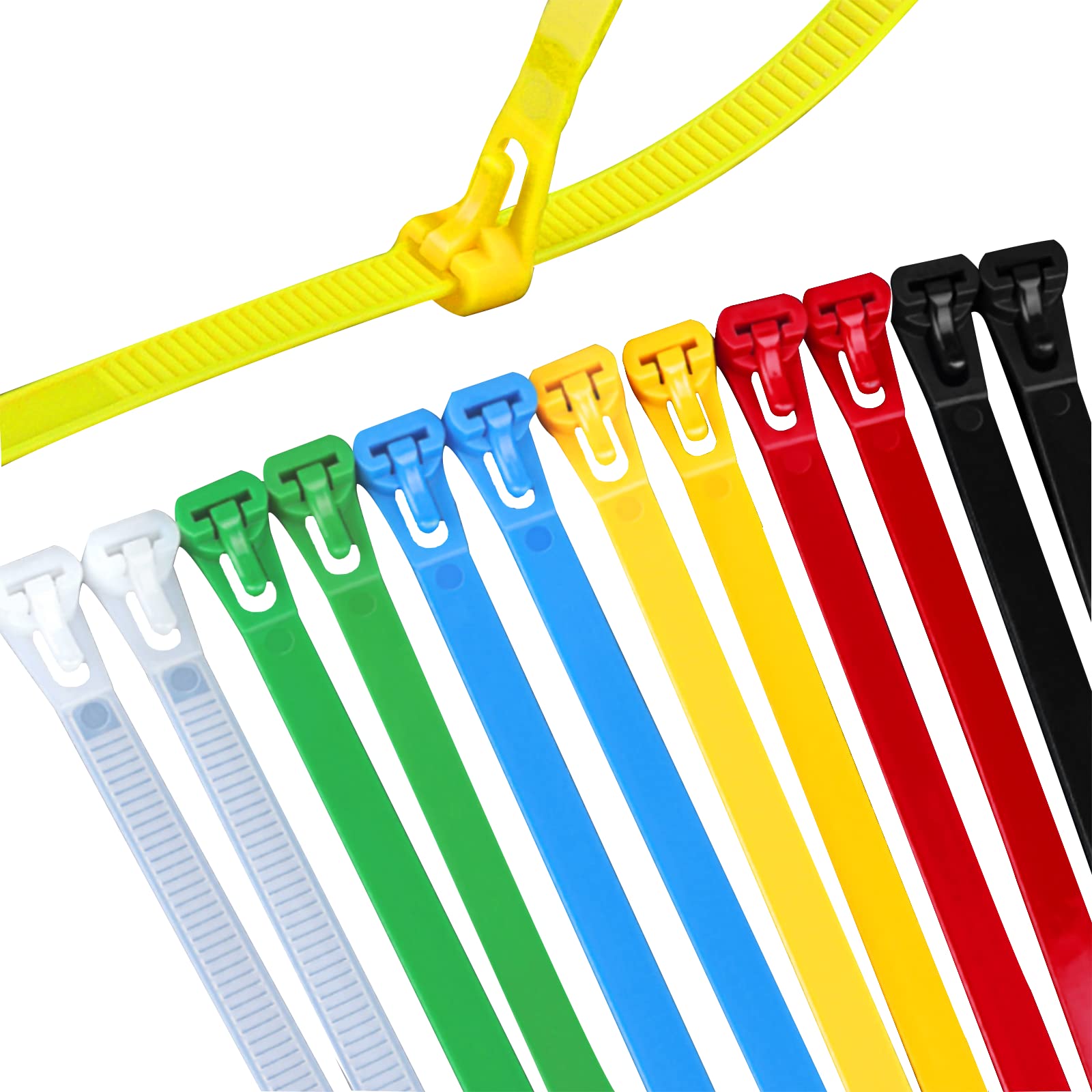 Releasable Cable Ties: The Reusable, High-Performance Fastening Solution
  We are on the way Let us meet at the Hongkong Fair to create more business!
  We are on the way. Let's meet at the Canton Fair to create more business!
 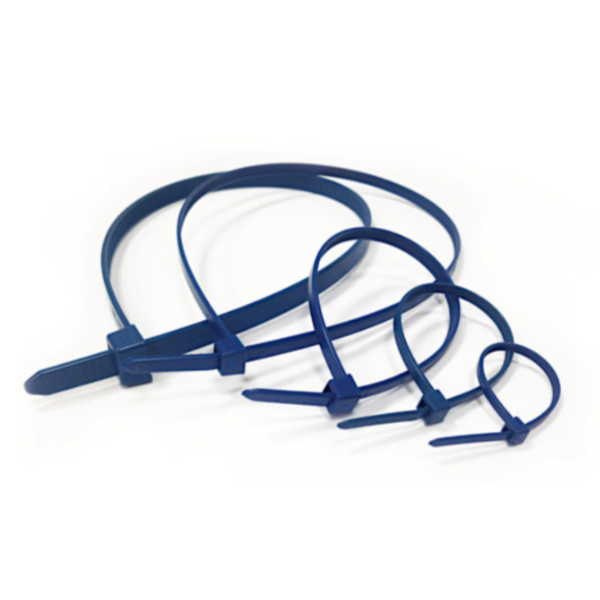 Installing Metal Cables Ties
 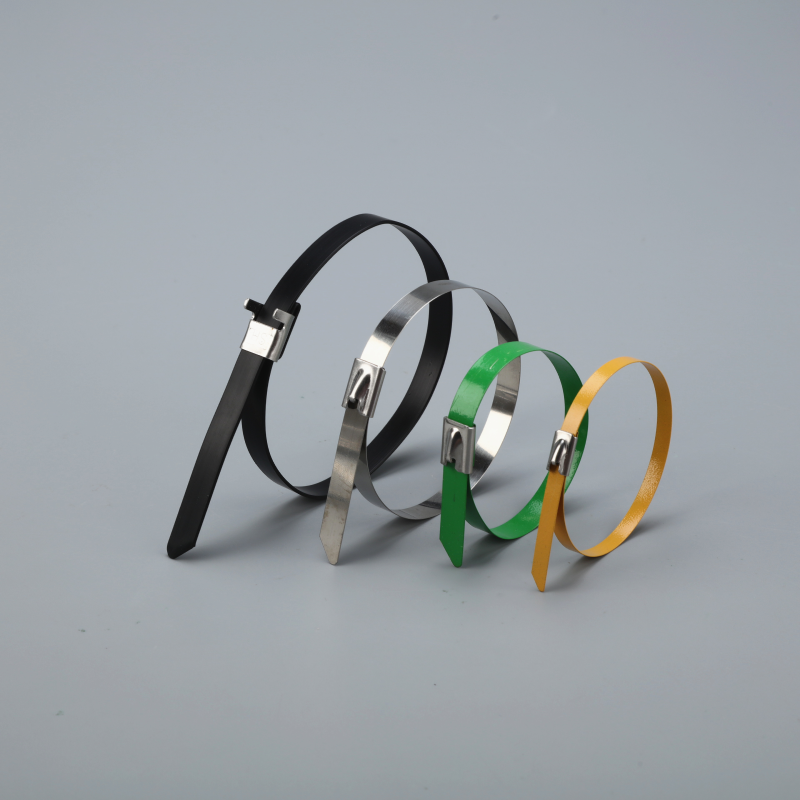 How to Use Metal and Stainless Steel Zip Ties
 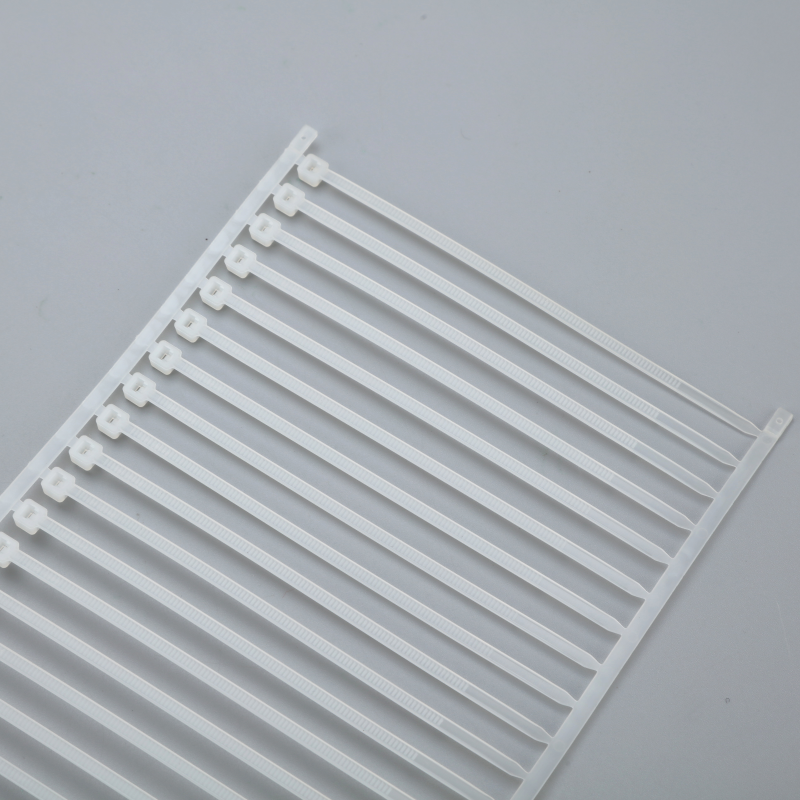 How to use Reel Fed Cable Ties
 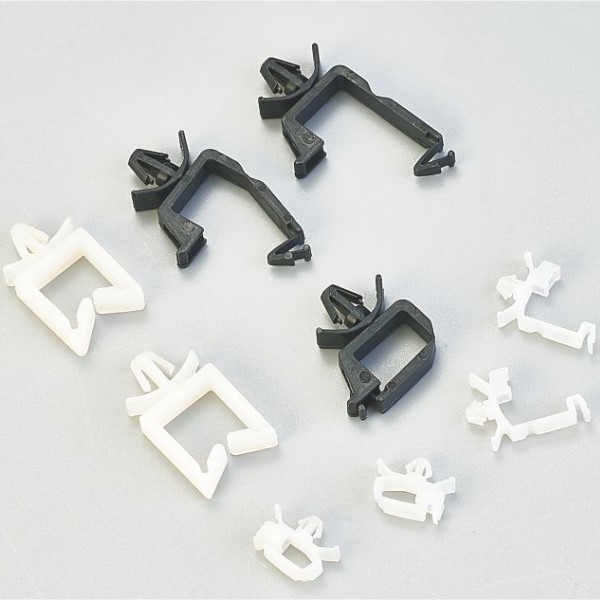 The Features of The Features of Locking Wire Saddle
  Cable Tie Mounts
 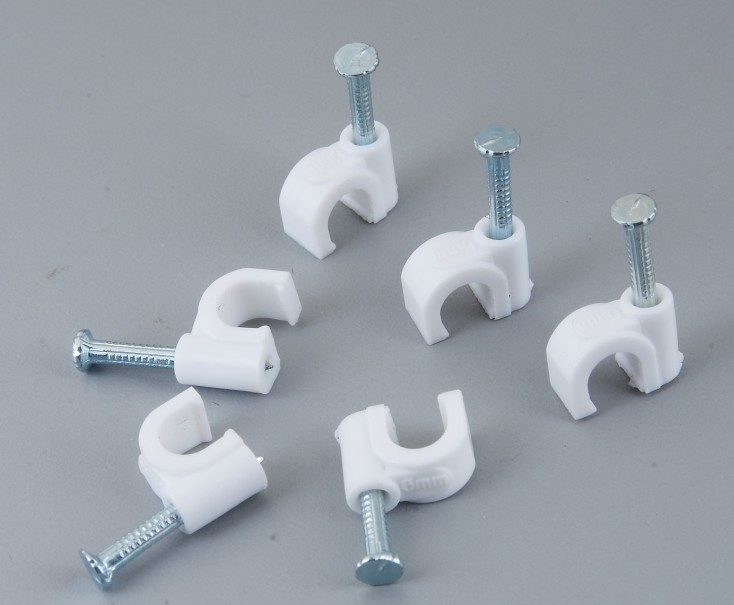 How about Cable Clips ?
 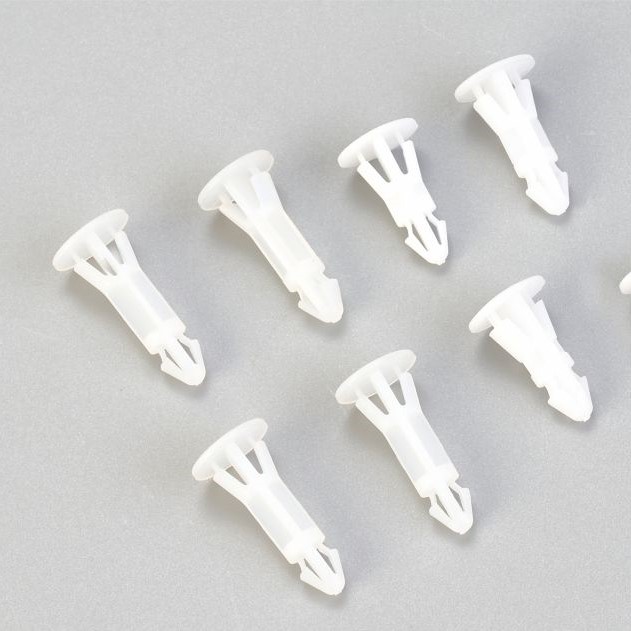 How to use plastic expansion tube ?
 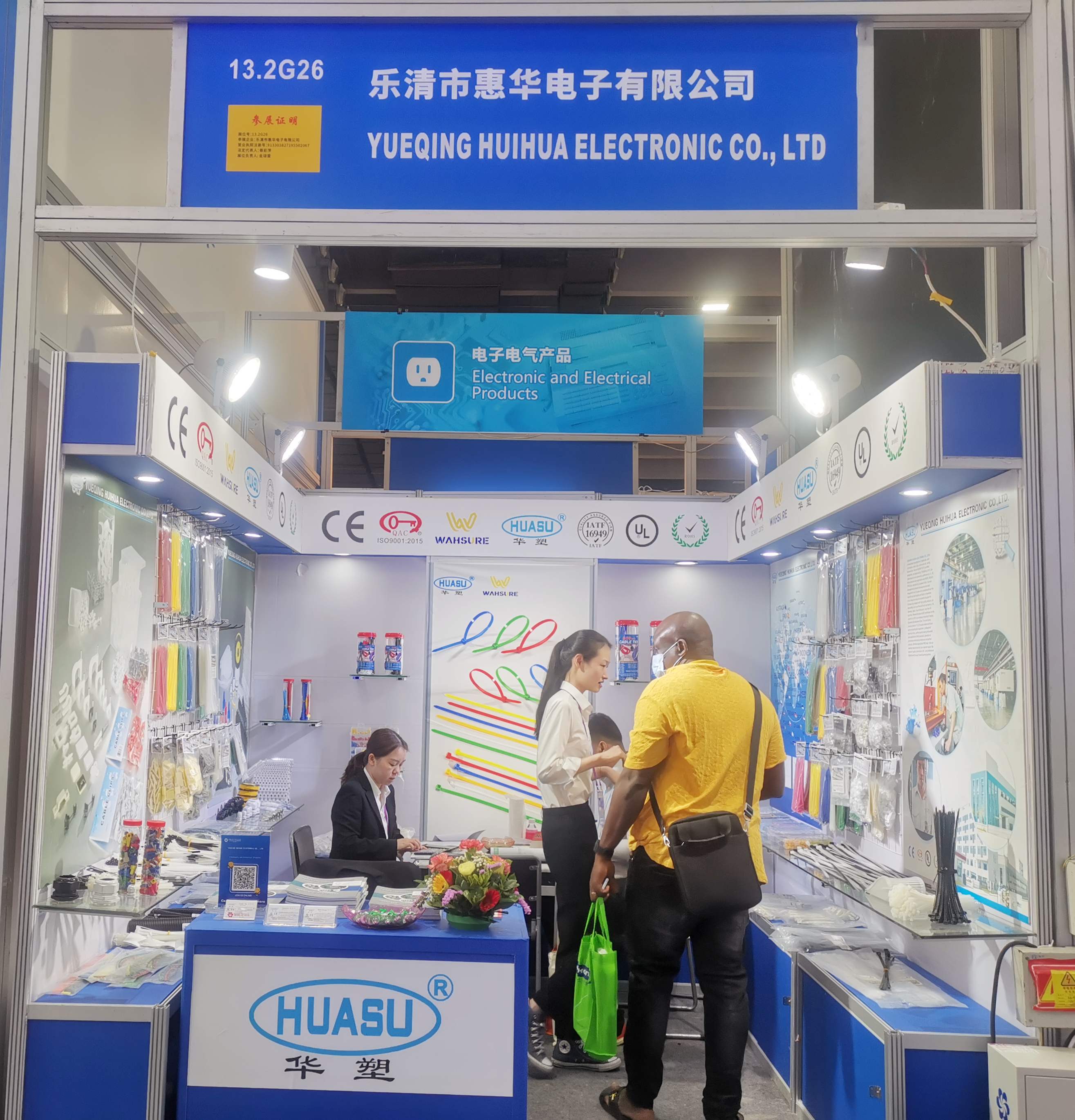 The 133rd Canton Fair exhibition of Huihua Electronics
 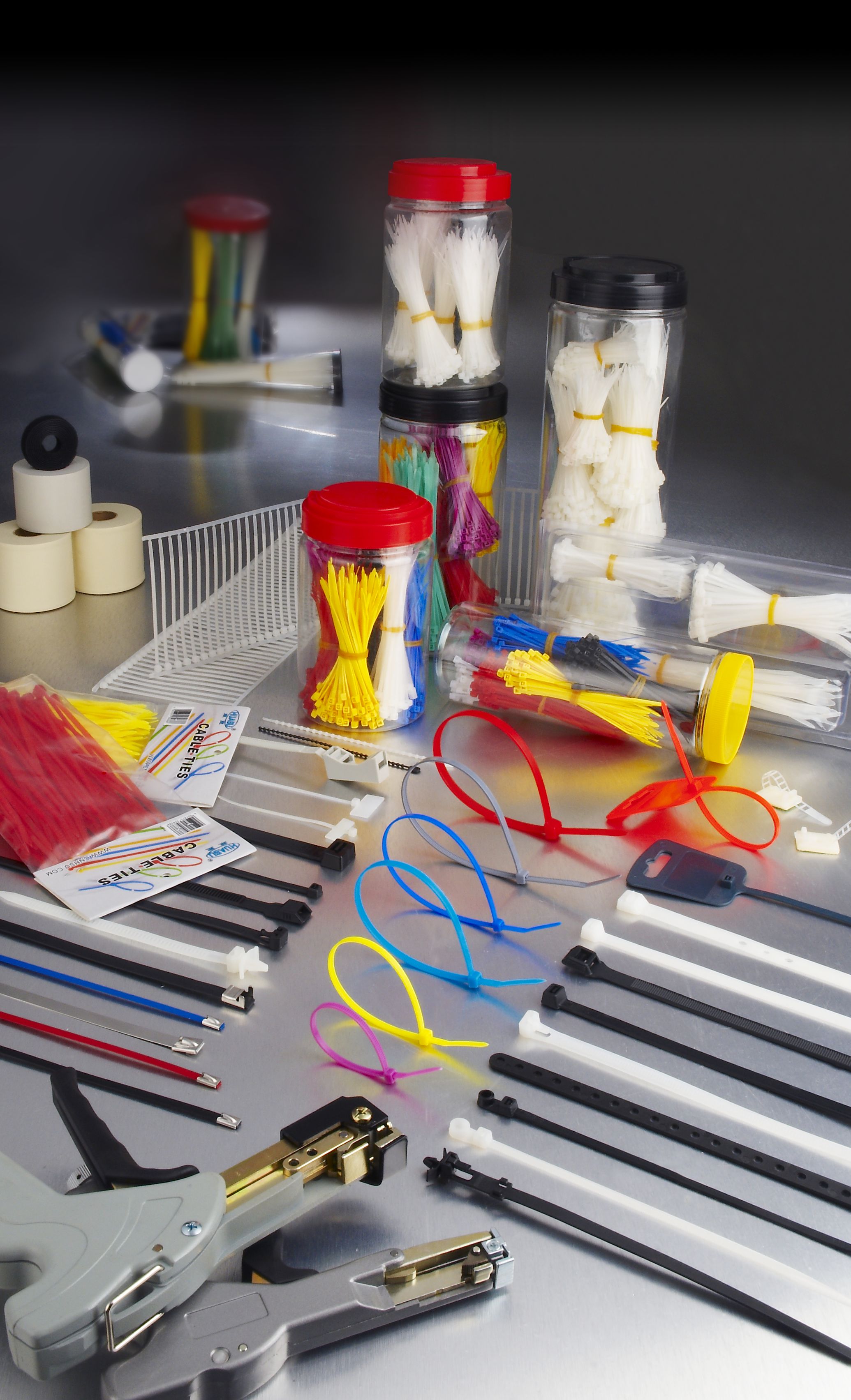 Cable ties
 - What Are Cable Ties?
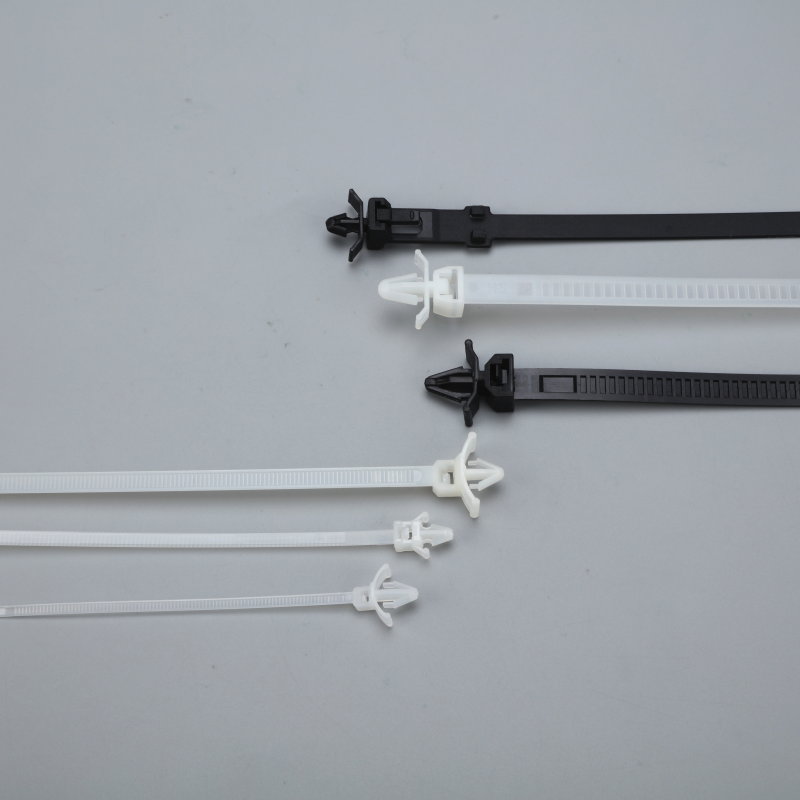 All kinds of cable ties
  What can we do for you today?
 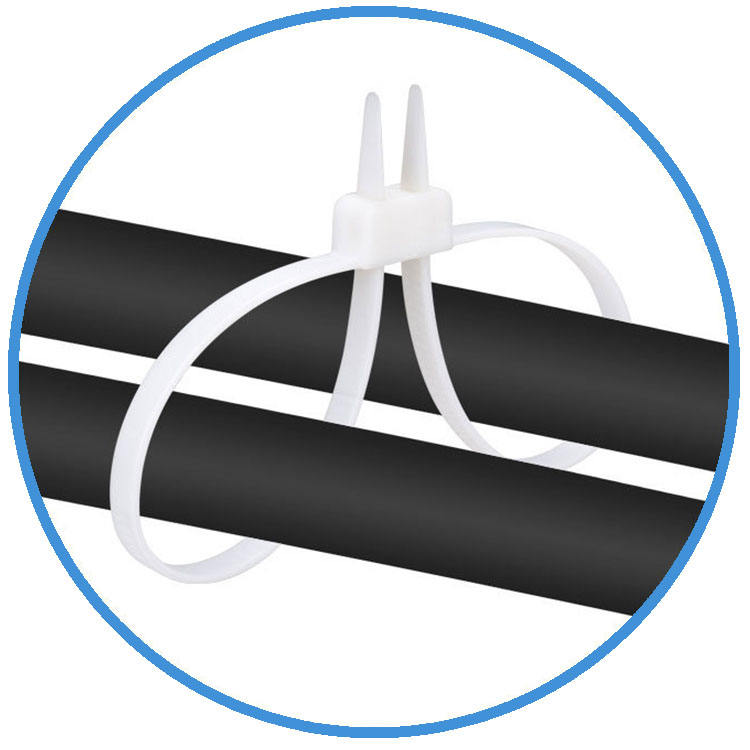 Nylon Cable Ties of Application
 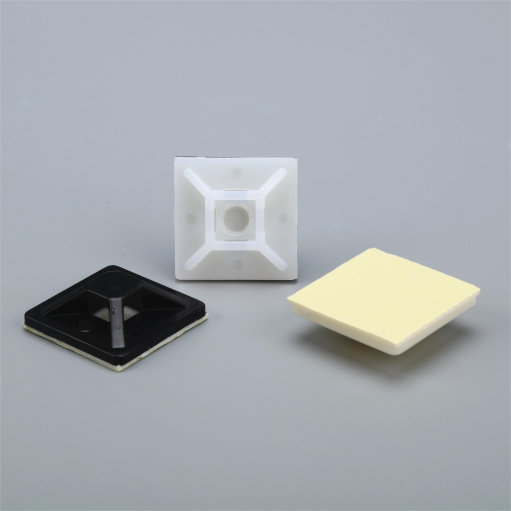 A guide to Self-adhesive Tie Mount
  How to use Stainless Steel Cable Ties
 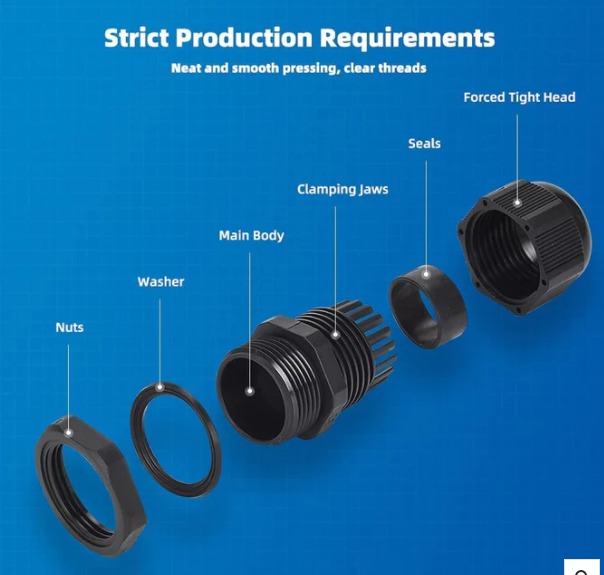 What are the types of cable glands and how to use them?
  2023 More efforts needed to boost production