
How to use Stainless Steel Cable Ties
When supporting very heavy loads, Stainless Steel Cable Ties are an excellent choice. As illustrated below, these ties can handle much higher loads than their nylon counterparts, making them ideal for industrial, automotive, and construction applications where strength and durability are critical. It's important to remember that the load values indicated are for each individual tie. When you use multiple ties, the cumulative strength allows you to support significantly greater weights, providing you with much more flexibility and assurance when securing heavy-duty loads.
One of the unique advantages of Stainless Steel Cable Ties is their smooth surface on both sides. Unlike traditional cable ties, which often feature a ridged underside to help with gripping, stainless steel ties are entirely smooth. While this design is ideal for corrosion resistance and durability, it does make the ties harder to grip by hand. While it is certainly possible to apply these ties manually, doing so can be physically taxing, especially if you need to secure several ties in a short amount of time. Additionally, manually tightening the ties may not result in the desired level of tightness, which could compromise the security of the load.
To ensure a more secure and consistent result, one method is to use a good pair of pliers to pull the tail of the tie. This helps tighten the tie beyond what can be achieved by hand alone. However, it's important to note that even with pliers, there may still be some variation in the level of tightness between different ties. Moreover, after tightening the tie, you will need to trim off the tail, which can create sharp edges that pose a safety risk.
For the best results, the ideal method is to use a Stainless Steel Cable Tie Gun. These specialized tools are designed to pull the tie to a pre-set level of tightness, ensuring that each tie is applied uniformly and securely. Additionally, the tie gun automatically trims off the tail, leaving a smooth, safe finish with no sharp edges. This method is highly recommended for anyone using multiple cable ties, as it not only speeds up the process but also ensures consistent and professional-quality results. Using a tie gun minimizes the risk of human error, which can occur when using manual tools, and significantly reduces the physical strain on the user.
Why Choose Stainless Steel Cable Ties?
Stainless Steel Cable Ties offer several compelling advantages over their plastic counterparts. If you're looking for a cable tie that can withstand the elements, stainless steel ties are an excellent option. They are 100% UV-resistant, making them suitable for use in outdoor environments where exposure to sunlight could degrade the performance of other materials. Additionally, they are highly resistant to chemical attacks, meaning they can endure exposure to various oils, solvents, and other harsh substances without losing their strength or integrity. Stainless steel ties also perform well across a broad range of temperatures, from extreme cold to high heat, making them ideal for use in both industrial and automotive settings.
Another important benefit of using stainless steel ties is their resistance to rust and staining. Unlike steel or other metal alternatives, stainless steel is corrosion-resistant, which ensures that these ties maintain their functionality and appearance over time, even in harsh conditions.
However, there is one key consideration when using stainless steel cable ties. They should never be used in situations where they come into direct contact with galvanized steel. The combination of stainless steel and galvanized steel can cause a chemical reaction, leading to corrosion and potential failure of the ties. To avoid this issue, coated stainless steel ties are available, which offer the same level of strength and durability but with an added protective layer to prevent adverse reactions.
Ideal Applications for Stainless Steel Cable Ties
Stainless steel cable ties are particularly well-suited for environments that experience high temperatures, such as manufacturing plants, refineries, and automotive engines. They are capable of withstanding significantly higher temperatures than standard nylon ties, which can degrade in extreme heat. These ties are also a great choice for marine environments, where exposure to saltwater and moisture is a constant concern.
In conclusion, if you're looking for a reliable and durable cable tie that can withstand heavy loads, extreme weather conditions, chemicals, and high temperatures, stainless steel cable ties are the best option. They offer superior performance, safety, and longevity compared to traditional nylon ties. For those who need high-quality stainless steel cable ties, please feel free to contact us for more information.
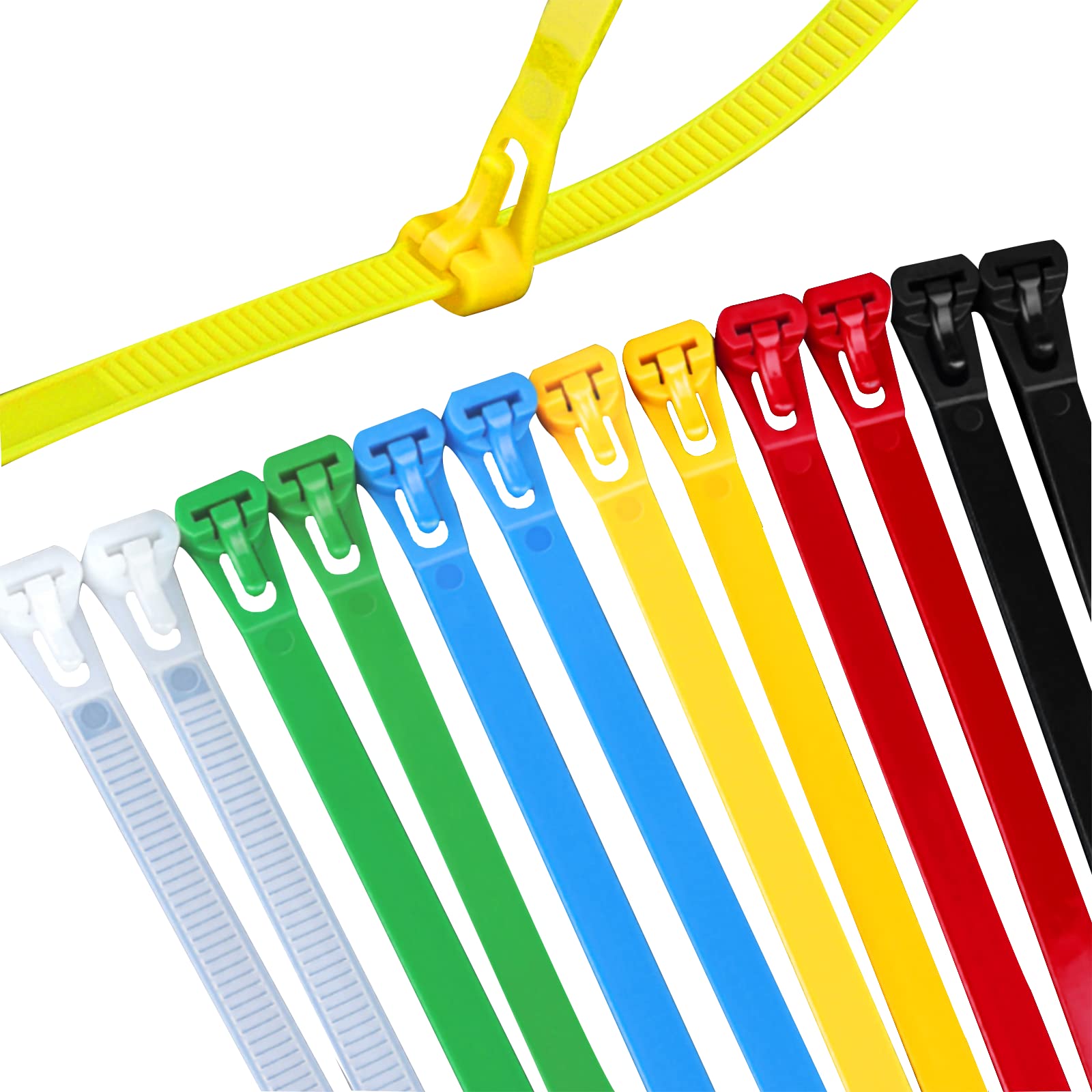 Releasable Cable Ties: The Reusable, High-Performance Fastening Solution
  We are on the way Let us meet at the Hongkong Fair to create more business!
  We are on the way. Let's meet at the Canton Fair to create more business!
 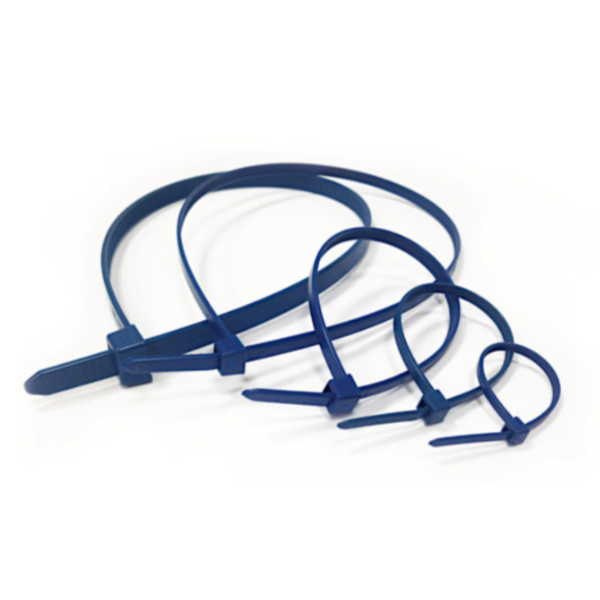 Installing Metal Cables Ties
 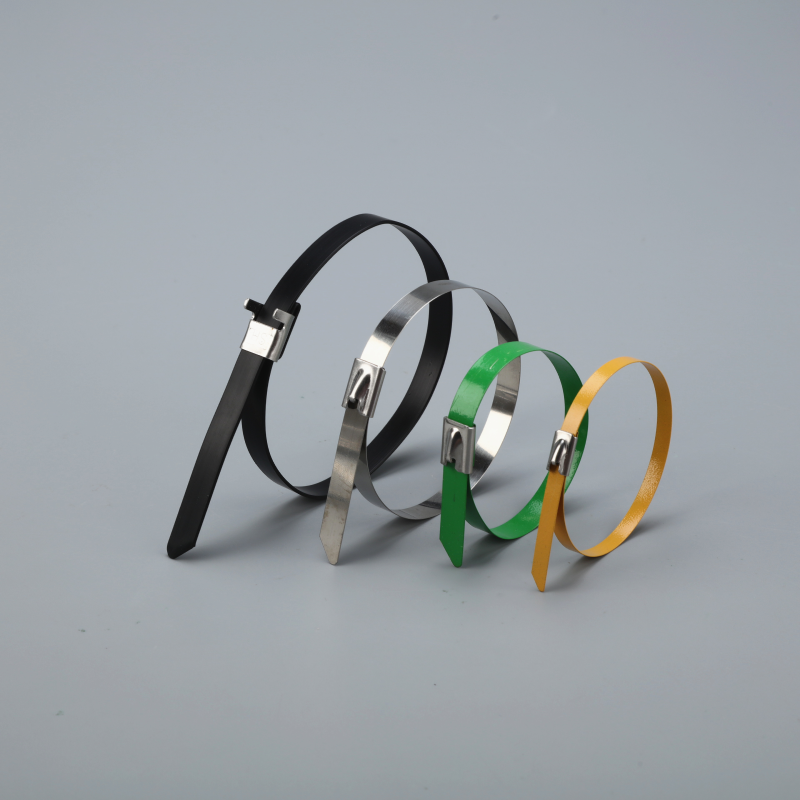 How to Use Metal and Stainless Steel Zip Ties
 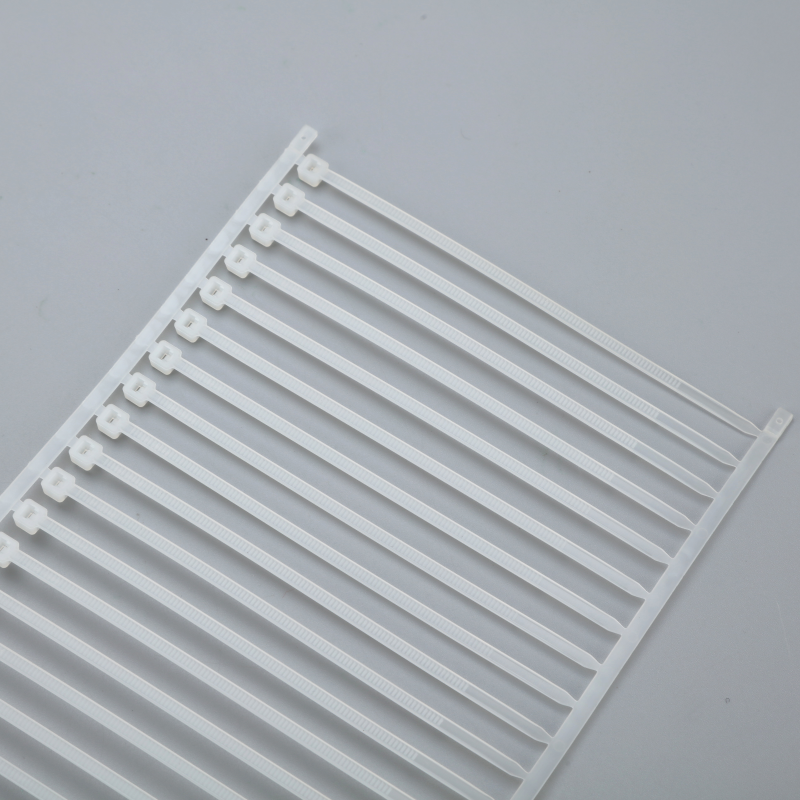 How to use Reel Fed Cable Ties
 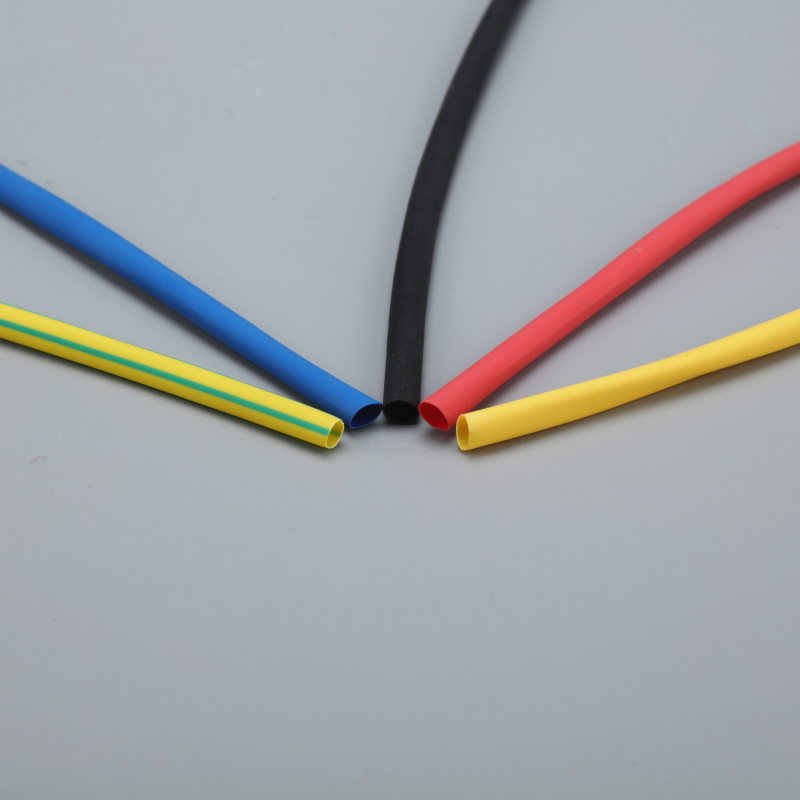 Heat-shrink tubing
 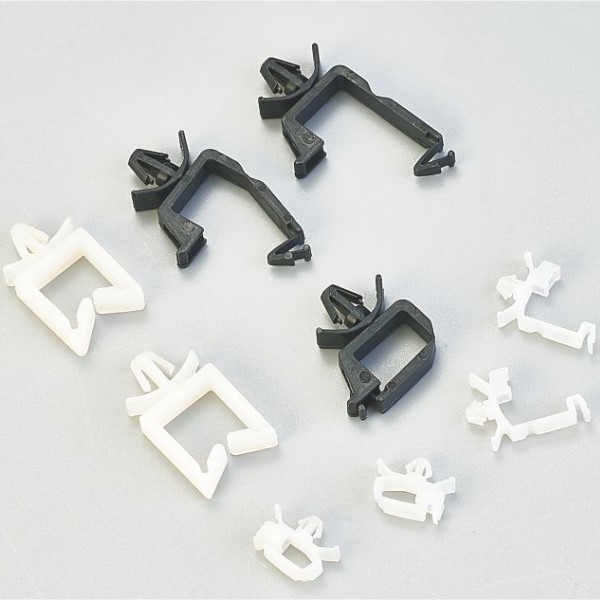 The Features of The Features of Locking Wire Saddle
  Cable Tie Mounts
 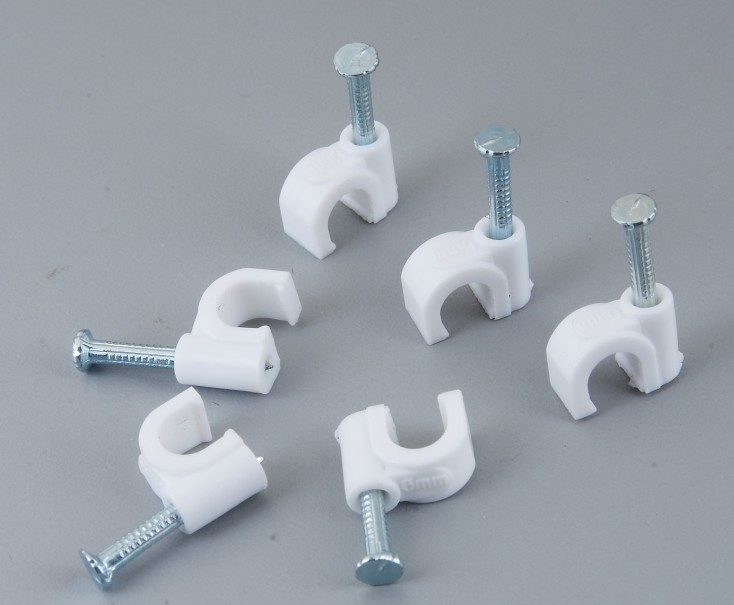 How about Cable Clips ?
 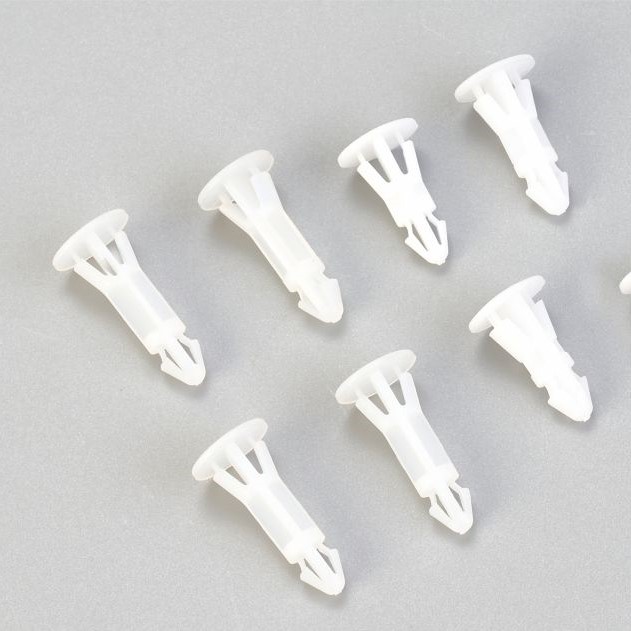 How to use plastic expansion tube ?
  The 133rd Canton Fair exhibition of Huihua Electronics
 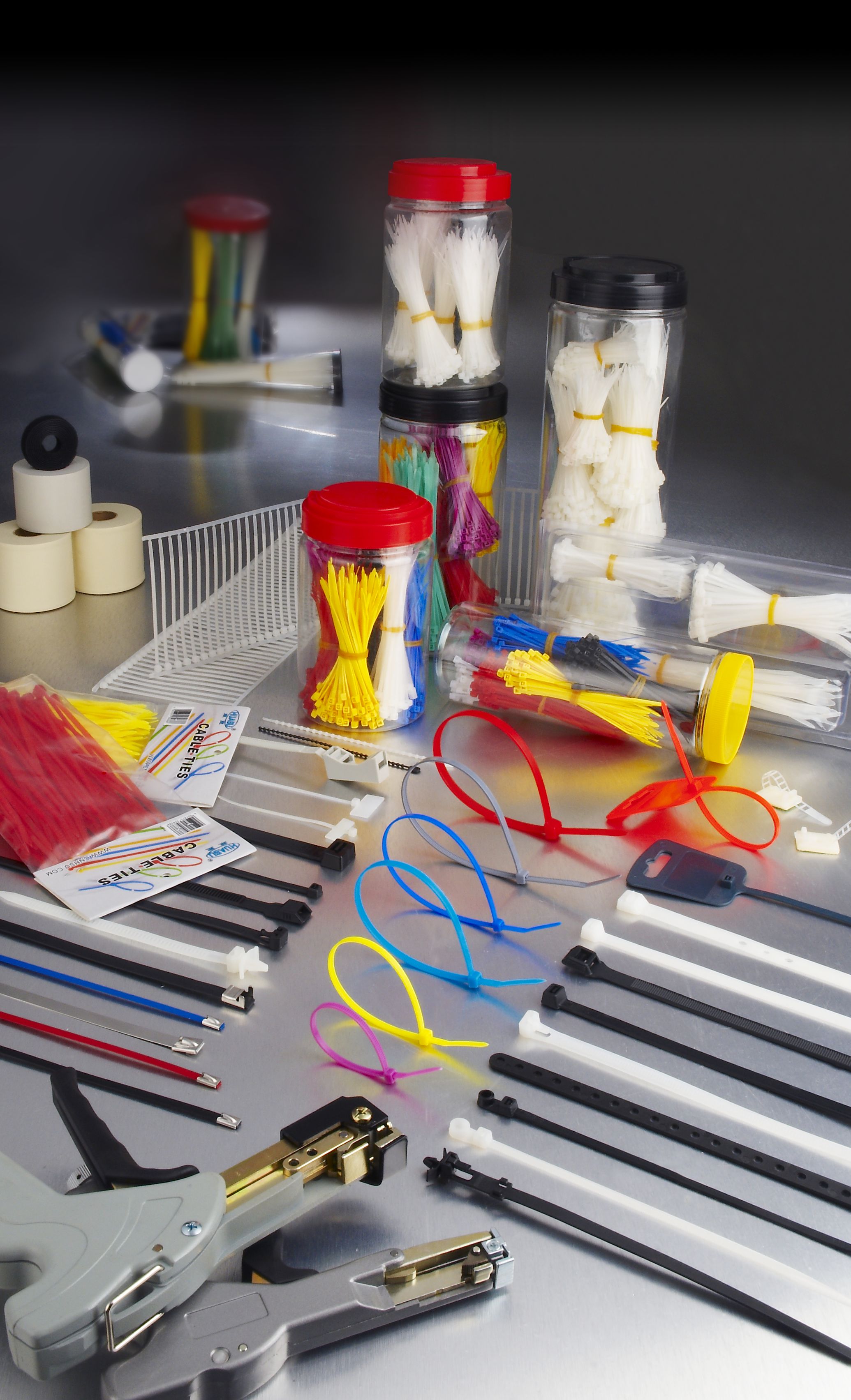 Cable ties
 - What Are Cable Ties?
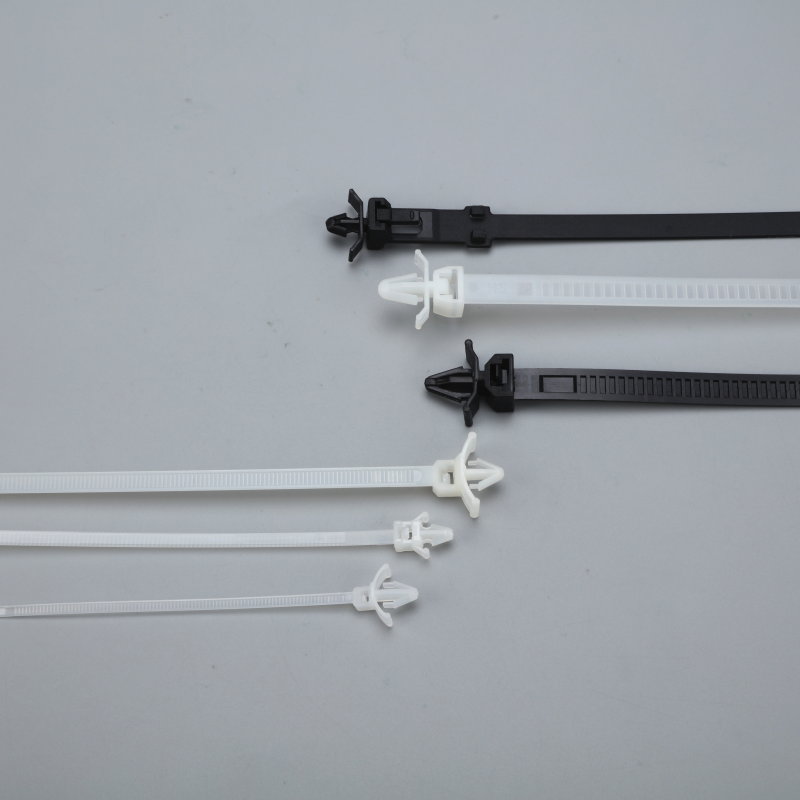 All kinds of cable ties
  What can we do for you today?
 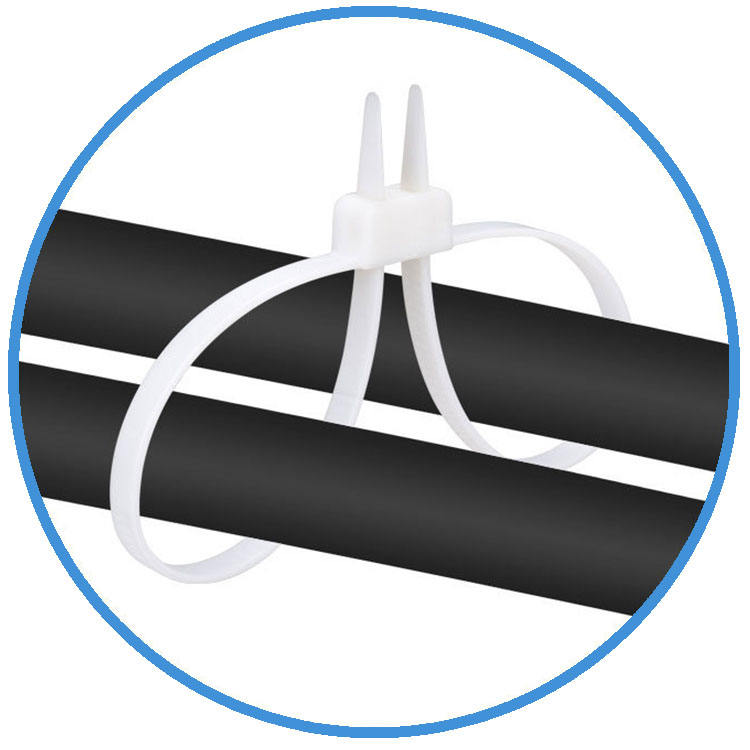 Nylon Cable Ties of Application
  A guide to Self-adhesive Tie Mount
 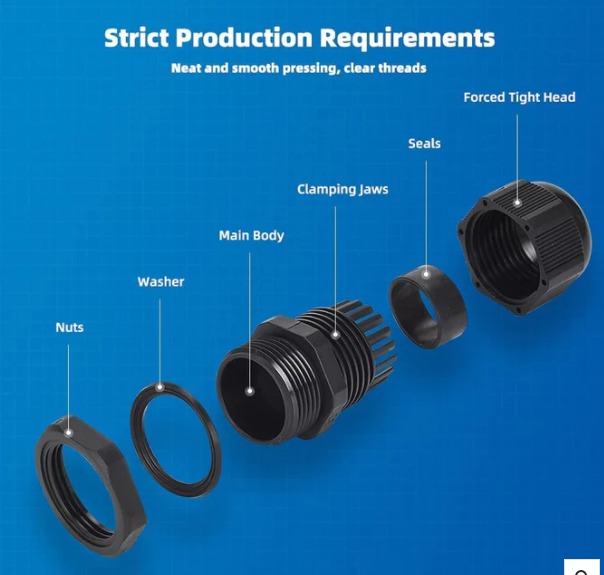 What are the types of cable glands and how to use them?
  2023 More efforts needed to boost production