
What Are Cable Ties?
Cable ties, also known as zip ties, are essential tools used to bind, secure, and route wires, cables, and other items in both residential and industrial settings. These versatile fasteners are found in a wide range of industries, from electronics and construction to data centers, healthcare, telecommunications, and automotive applications. Whether used for organizing cables or securing items in place, cable ties offer a simple and efficient solution for keeping things neat and orderly.
Most cable ties are made from nylon, a durable and flexible material known for its strength and resilience. Nylon cable ties are especially favored because they are highly flexible, allowing them to bend and conform to the contours of various shapes. This flexibility ensures a tight and secure fit when bundling cables of different sizes. Additionally, nylon cable ties are also highly sturdy, providing the tensile strength required to keep cables and wires in place under normal stress and pressure.
The mechanism behind a typical cable tie is relatively simple but incredibly effective. One part of the tie features tiny “teeth” that engage with a head pawl. When the free end of the tie is pulled, these teeth lock into the pawl and form a ratchet. As the tie is tightened, the teeth click into place, ensuring a secure hold on whatever is being bound, whether it’s a group of electrical wires, hoses, or other materials. The ratchet system makes it possible to tighten the tie with ease, and once the tie is pulled tight, it cannot be undone.
While standard cable ties are designed for single-use applications, there are reusable cable ties available that offer a sustainable option. These ties are designed with a special release tab that can disengage the ratchet, allowing the tie to be loosened and reused multiple times. Reusable cable ties provide significant value in environments where frequent adjustments or reconfigurations are necessary. They are also an eco-friendly choice, as they can be used repeatedly rather than disposed of after each use, reducing waste and cost over time.
In addition to the common plastic nylon cable ties, there are stainless steel cable ties designed for more specialized applications. Stainless steel ties are ideal for use in environments where extra durability is needed, such as hazardous areas or outdoor settings. These ties are often used in industries where harsh conditions, such as extreme temperatures, chemicals, or mechanical stresses, are prevalent. Stainless steel cable ties are highly resistant to corrosion and can withstand exposure to moisture, chemicals, and other environmental factors that would typically degrade plastic ties.
Many stainless steel cable ties are coated with plastic to offer added protection against wear and to reduce the risk of injury from sharp edges. The plastic coating also helps to prevent damage to the cables or other items being secured. These ties are often used in industries such as automotive, aerospace, and construction, where heavy-duty performance is required. They are also commonly used in telecommunications and electrical applications, particularly when cable runs need to be secured in challenging or corrosive environments.
Cable ties, whether nylon or stainless steel, come in a wide variety of sizes, colors, and configurations to meet the diverse needs of different industries. They are easy to use, cost-effective, and provide a reliable solution for a broad range of cable management tasks. Their ability to secure and organize cables and other materials efficiently makes them a go-to product in countless applications, from home improvement projects to high-tech infrastructure installations. Whether for securing a few wires or bundling large groups of cables, cable ties are indispensable in modern cable management systems, offering both functionality and durability in equal measure.
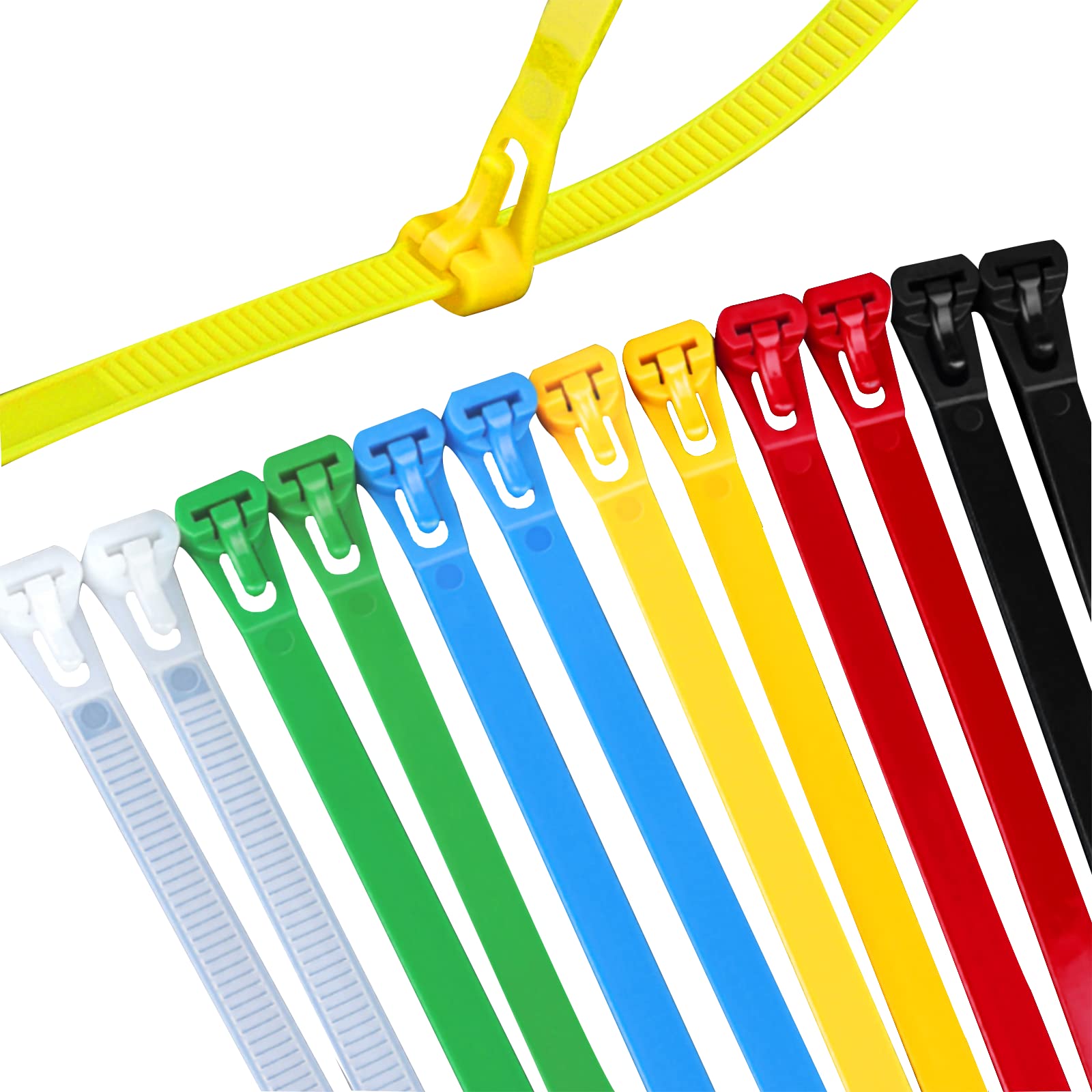 Releasable Cable Ties: The Reusable, High-Performance Fastening Solution
  We are on the way Let us meet at the Hongkong Fair to create more business!
  We are on the way. Let's meet at the Canton Fair to create more business!
  Installing Metal Cables Ties
  How to Use Metal and Stainless Steel Zip Ties
 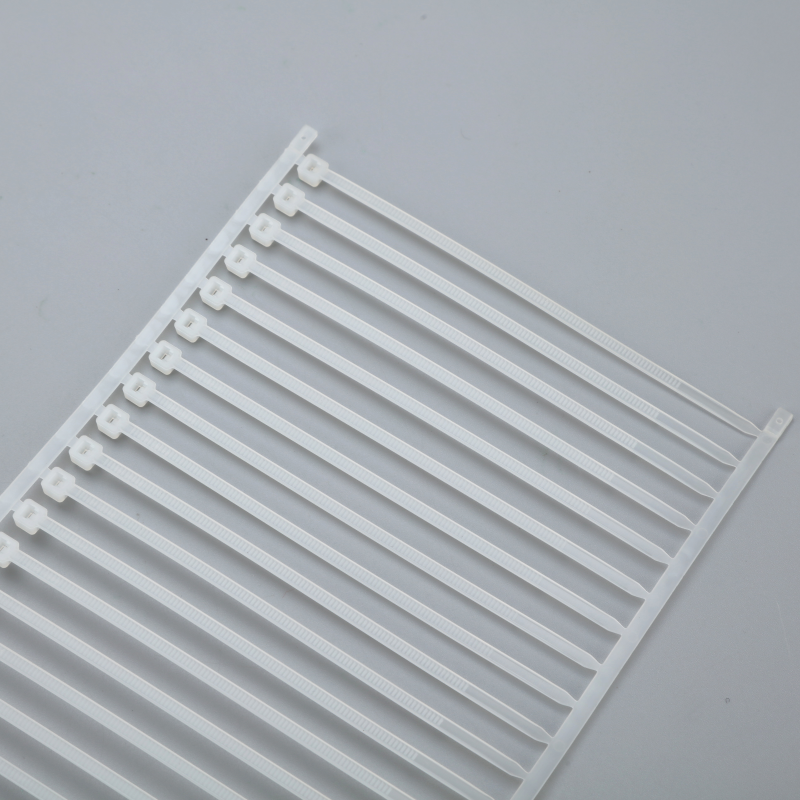 How to use Reel Fed Cable Ties
 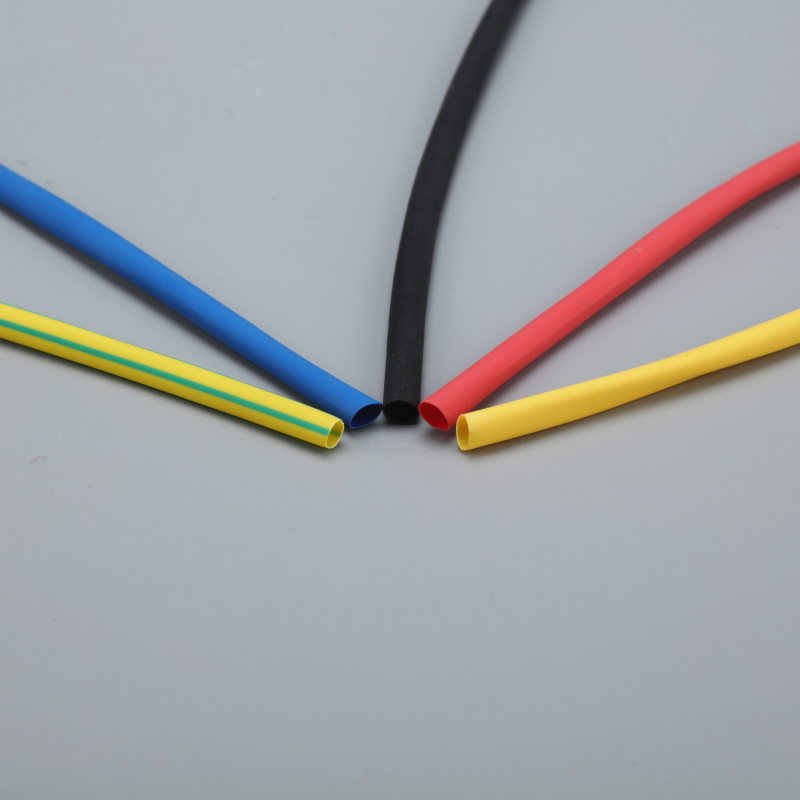 Heat-shrink tubing
 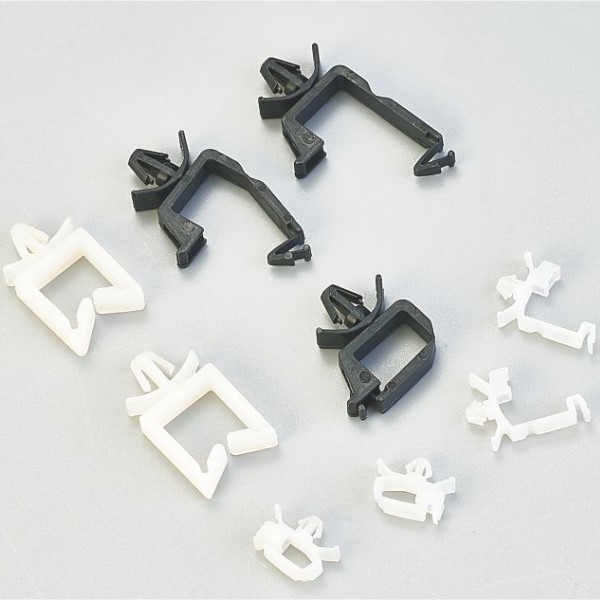 The Features of The Features of Locking Wire Saddle
  Cable Tie Mounts
 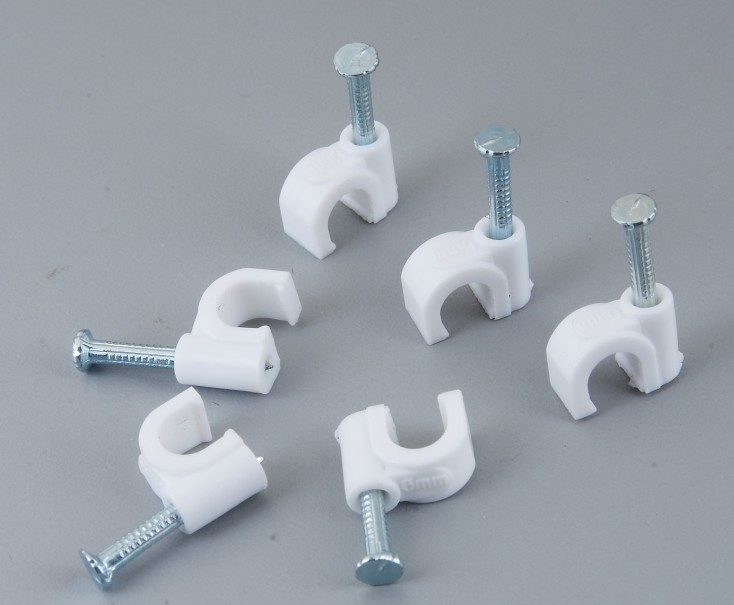 How about Cable Clips ?
 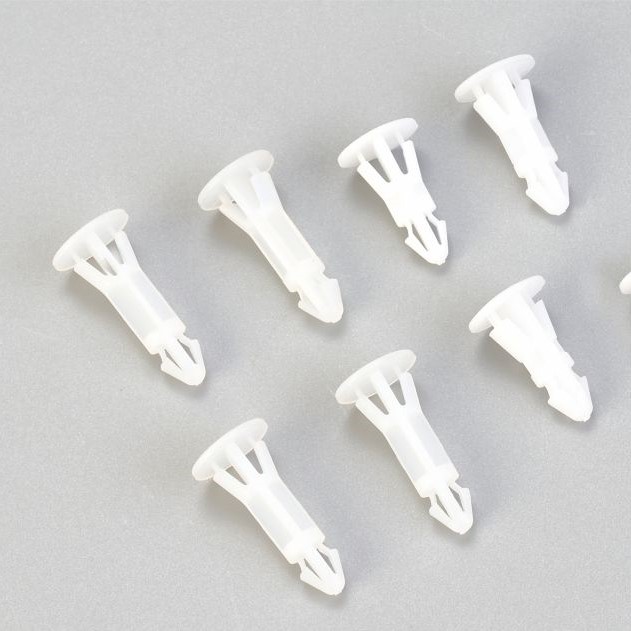 How to use plastic expansion tube ?
  The 133rd Canton Fair exhibition of Huihua Electronics
 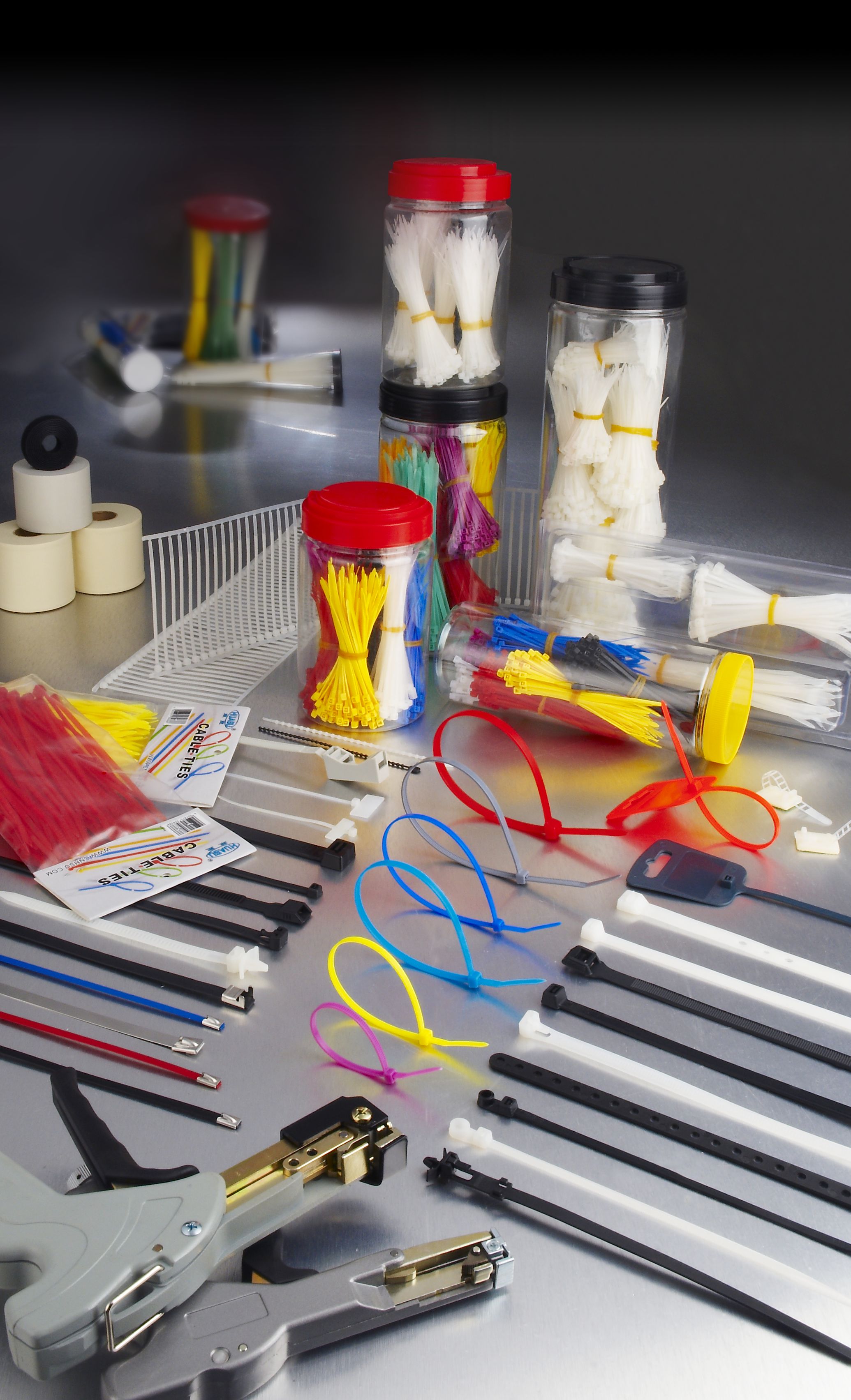 Cable ties
 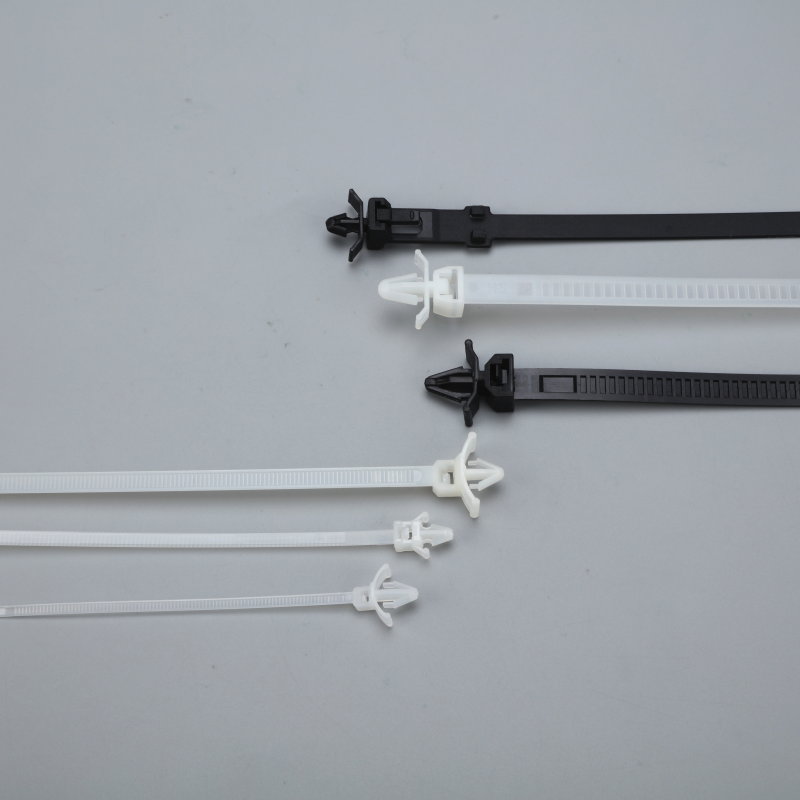 All kinds of cable ties
  What can we do for you today?
 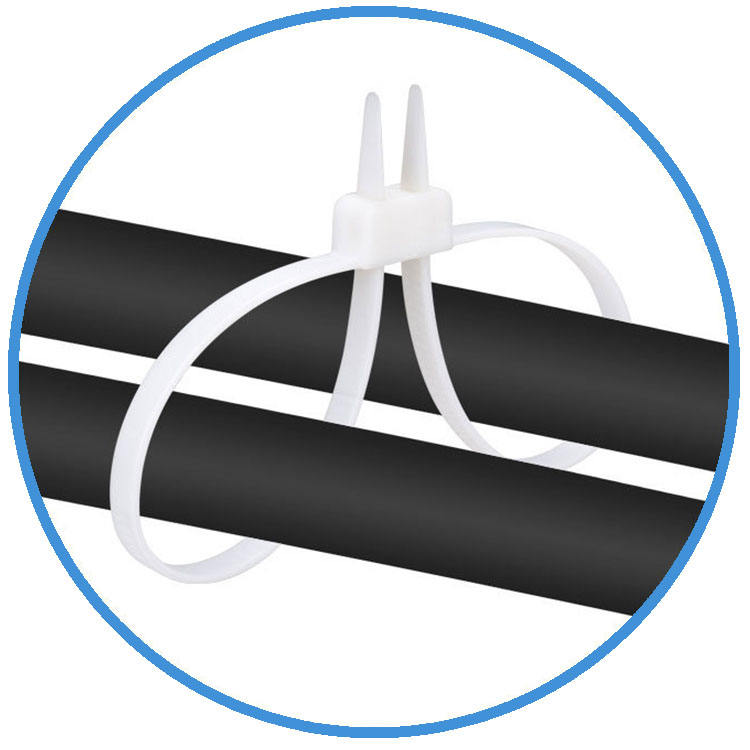 Nylon Cable Ties of Application
  A guide to Self-adhesive Tie Mount
  How to use Stainless Steel Cable Ties
 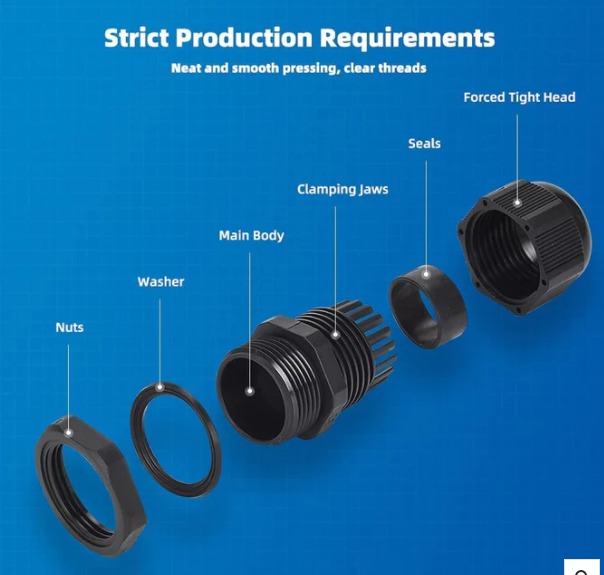 What are the types of cable glands and how to use them?
 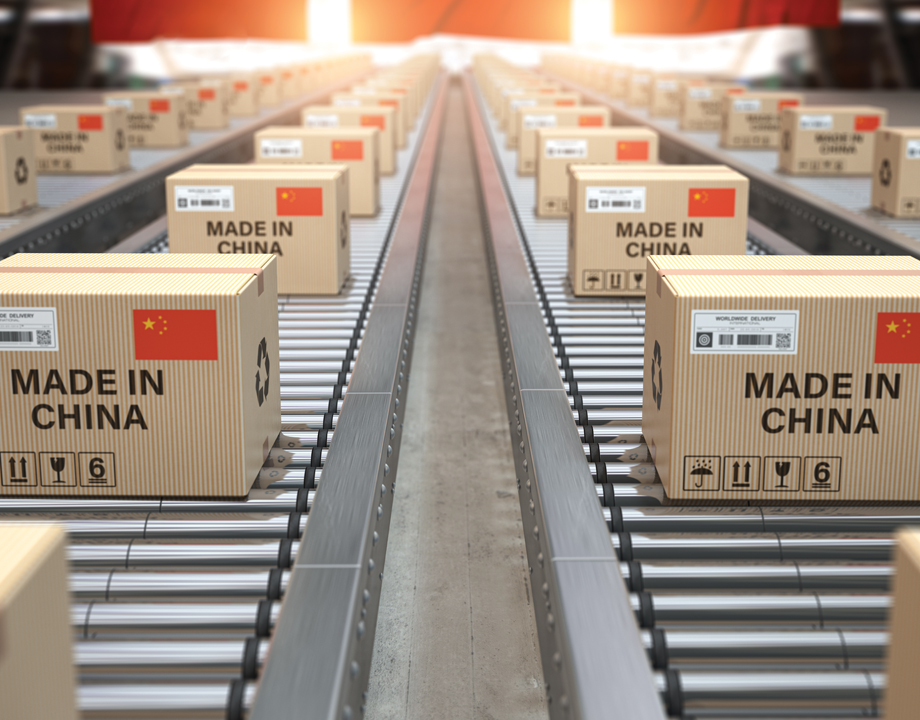 2023 More efforts needed to boost production