
How to Use Metal and Stainless Steel Zip Ties
Using a stainless steel zip tie is quite different from using the more common plastic zip ties, and these differences make stainless steel ties an ideal choice for certain applications that require additional strength and durability. While plastic zip ties are typically tightened by pulling the strap through the head of the tie, stainless steel zip ties operate on a different principle that provides superior security and longevity in challenging environments.
Instead of pulling the tie to close it tightly, a stainless steel zip tie is fed through a self-locking mechanism. This mechanism works by automatically locking the strap into place once it has passed through the lock, ensuring a firm and secure closure. The self-locking mechanism is a critical feature because it provides strength and reliability without the need for excessive tightening or the application of external force. This makes the installation of a stainless steel tie much easier and quicker compared to traditional zip ties, especially when used in environments where working with large volumes of cables or wires is necessary.
The locking mechanism of stainless steel ties can either stand alone or be integrated into a ball lock system. The ball lock system is often preferred for applications that demand extra security, as it allows the tie to adjust and lock in place more firmly, preventing it from loosening over time. This design improves the overall functionality of the zip tie, ensuring that it holds even under high stress, vibration, or load conditions. The ball lock also provides an added layer of protection against unintentional slippage, which can be a concern with less secure plastic zip ties.
One of the key advantages of stainless steel zip ties is their ability to withstand extreme temperatures. Whether exposed to scorching heat or freezing cold, these ties maintain their strength and do not wear down or corrode easily, making them perfect for outdoor, industrial, or harsh environmental conditions. This is especially important in industries such as automotive, aerospace, construction, and marine applications, where cables and wires must be reliably secured despite challenging weather or operational conditions. Stainless steel zip ties are also resistant to chemicals and UV rays, further extending their lifespan and reliability.
In addition to their ability to perform in extreme environments, stainless steel zip ties provide enhanced security due to their robust construction. Unlike plastic ties, which can become brittle and break over time or under stress, stainless steel ties are designed to last for many years without losing their grip. The durable metal construction makes them less prone to degradation, even when exposed to outdoor elements or subjected to heavy-duty applications. This durability ensures that the tie continues to hold strong, even after prolonged exposure to wear and tear.
One of the best aspects of the stainless steel locking mechanism is that it requires little force to feed the tie through. Even though the tie is made from metal, it is surprisingly easy to handle, which simplifies installation. The self-locking feature reduces the need for manual tightening or special tools, although some tools may still be used to trim excess material once the tie is securely in place. This ease of use makes stainless steel zip ties an excellent choice for professionals who need reliable cable management solutions in both regular and high-stress environments.
In conclusion, stainless steel zip ties offer distinct advantages over their plastic counterparts, particularly in terms of strength, durability, and resistance to environmental factors. With their self-locking mechanism, ability to withstand extreme temperatures, and ease of installation, stainless steel zip ties are ideal for a wide range of applications where security and long-term reliability are essential. Whether used in automotive, industrial, or outdoor environments, these zip ties are built to last and provide secure cable management solutions that can stand the test of time.
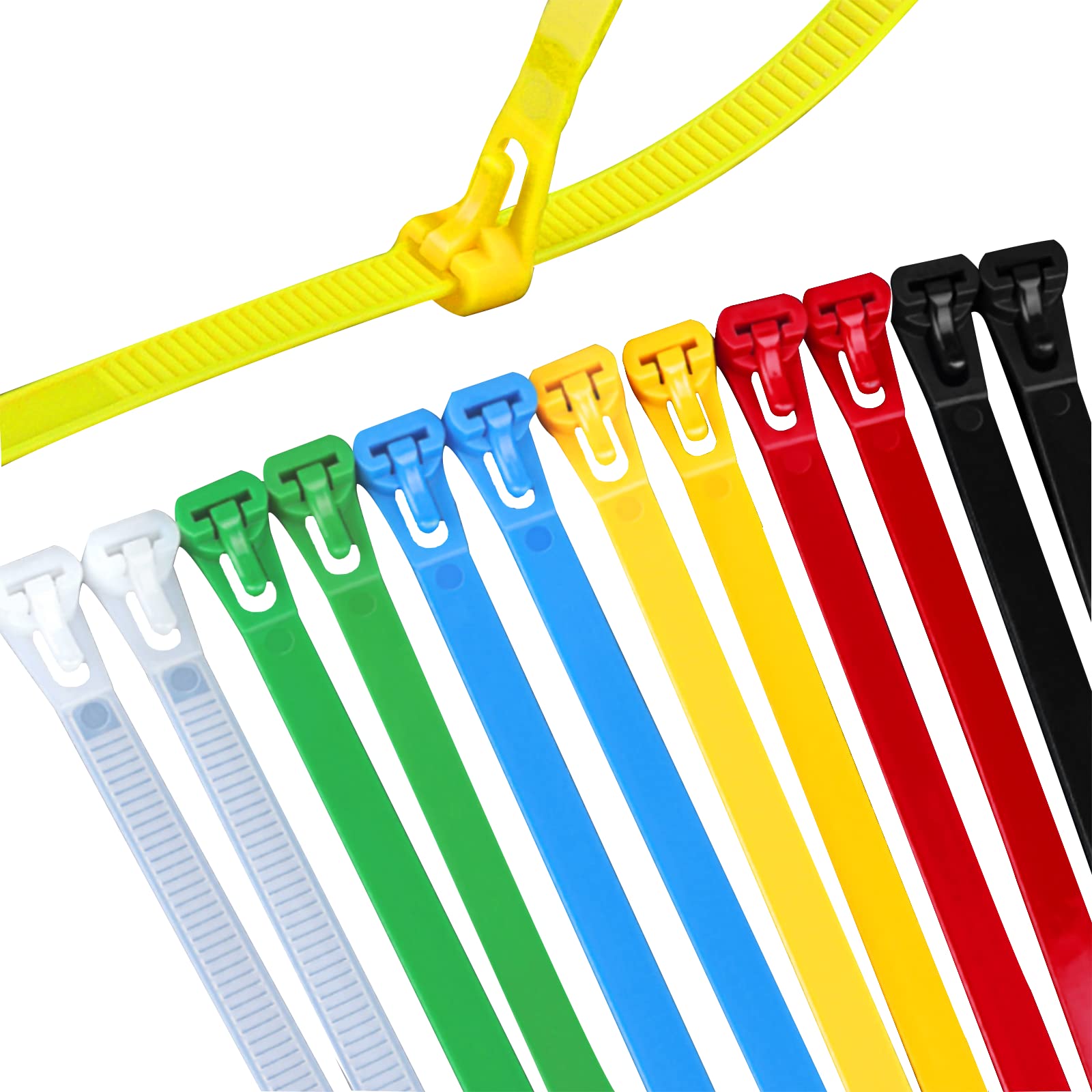 Releasable Cable Ties: The Reusable, High-Performance Fastening Solution
  We are on the way Let us meet at the Hongkong Fair to create more business!
  We are on the way. Let's meet at the Canton Fair to create more business!
 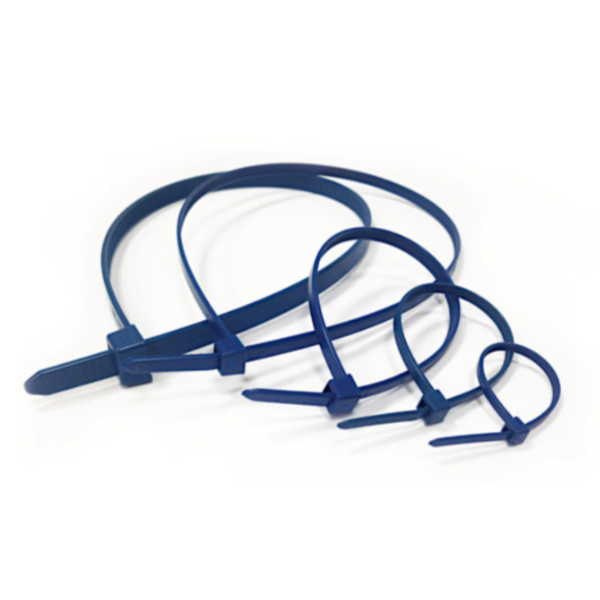 Installing Metal Cables Ties
 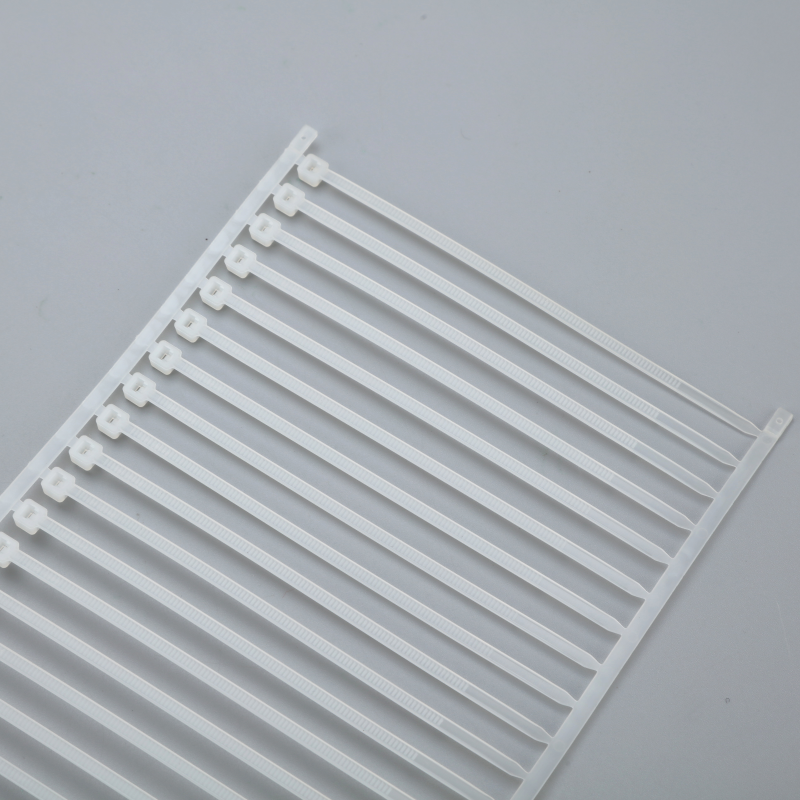 How to use Reel Fed Cable Ties
 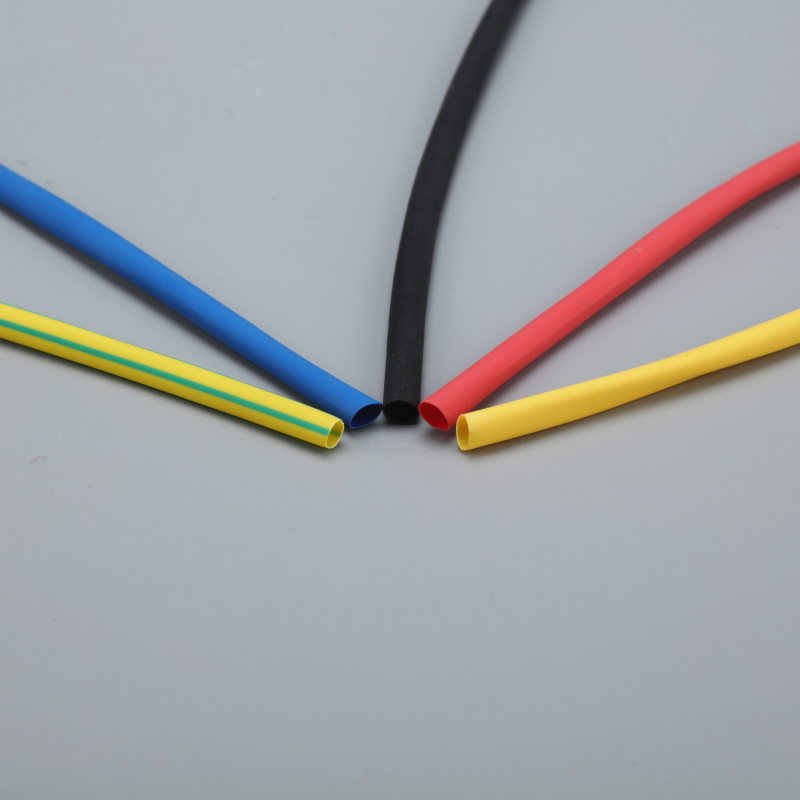 Heat-shrink tubing
 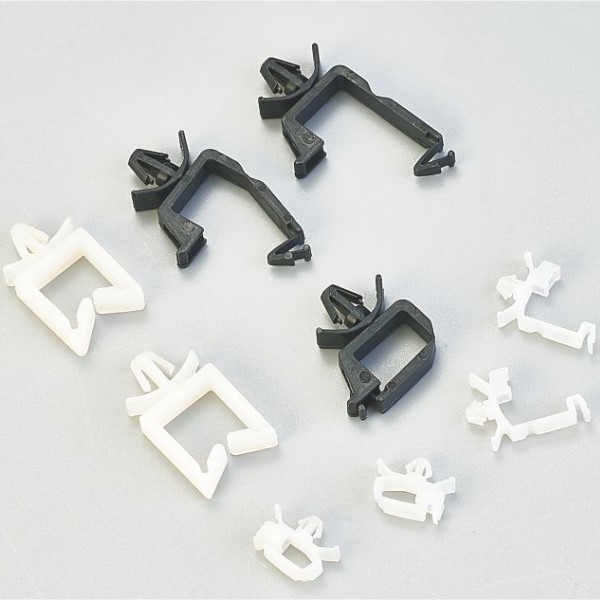 The Features of The Features of Locking Wire Saddle
  Cable Tie Mounts
 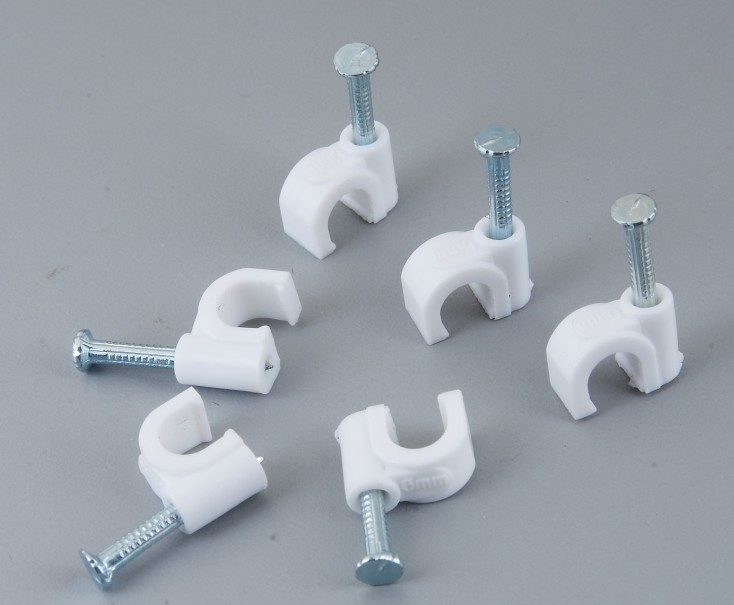 How about Cable Clips ?
 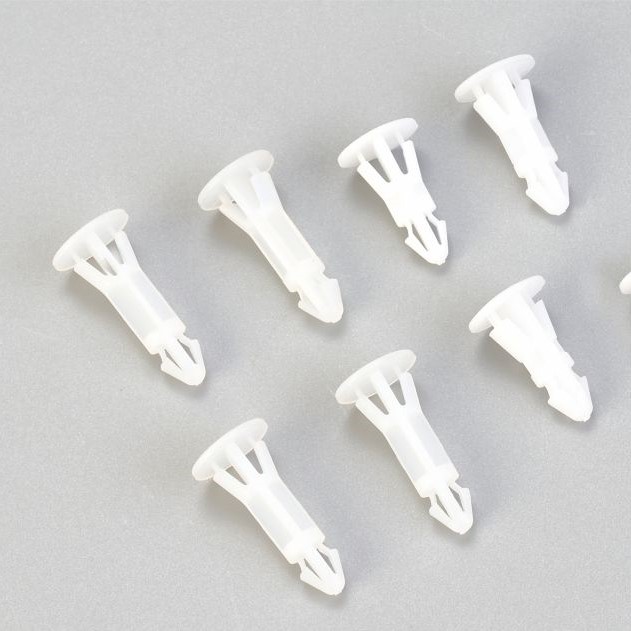 How to use plastic expansion tube ?
 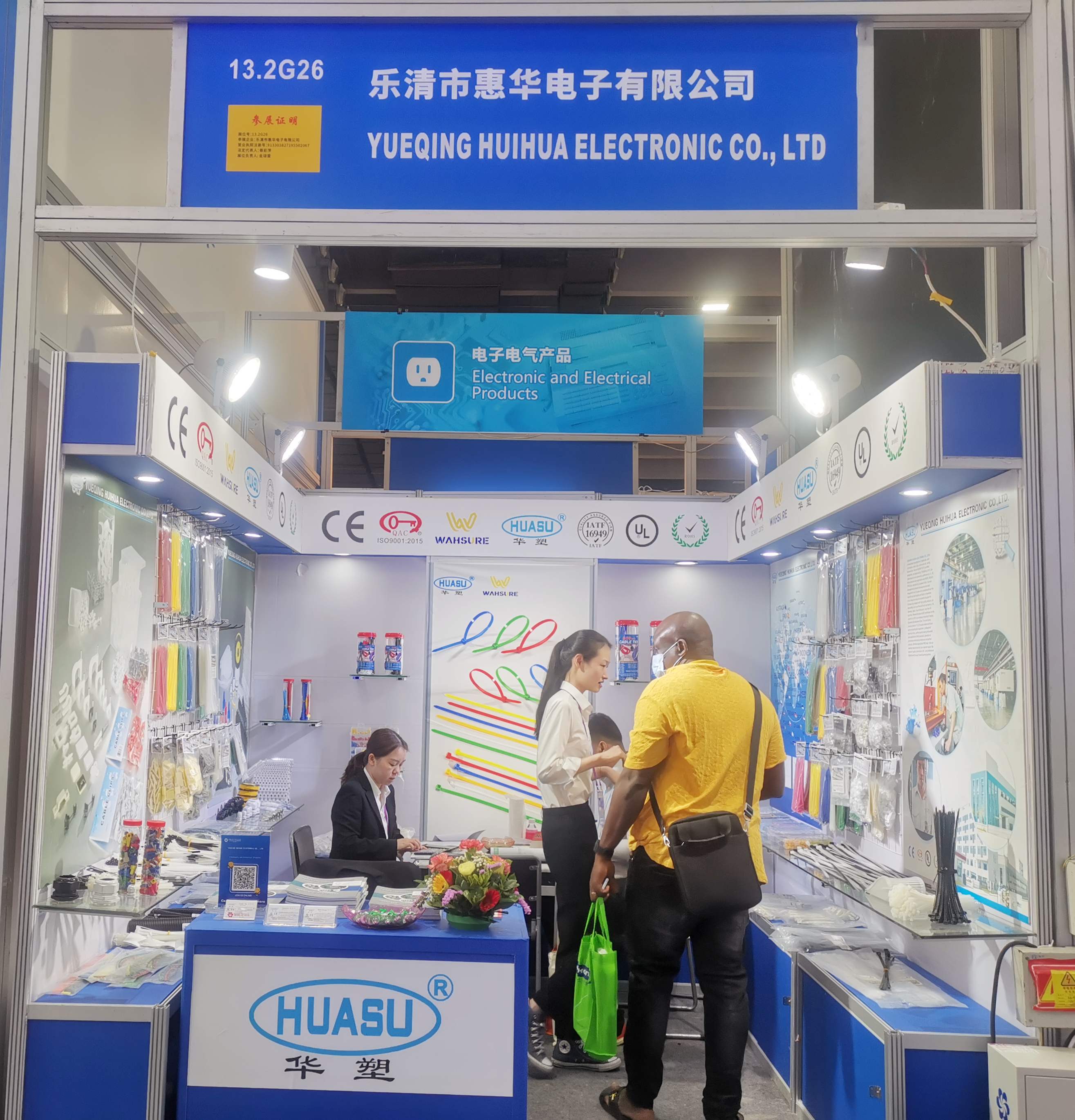 The 133rd Canton Fair exhibition of Huihua Electronics
 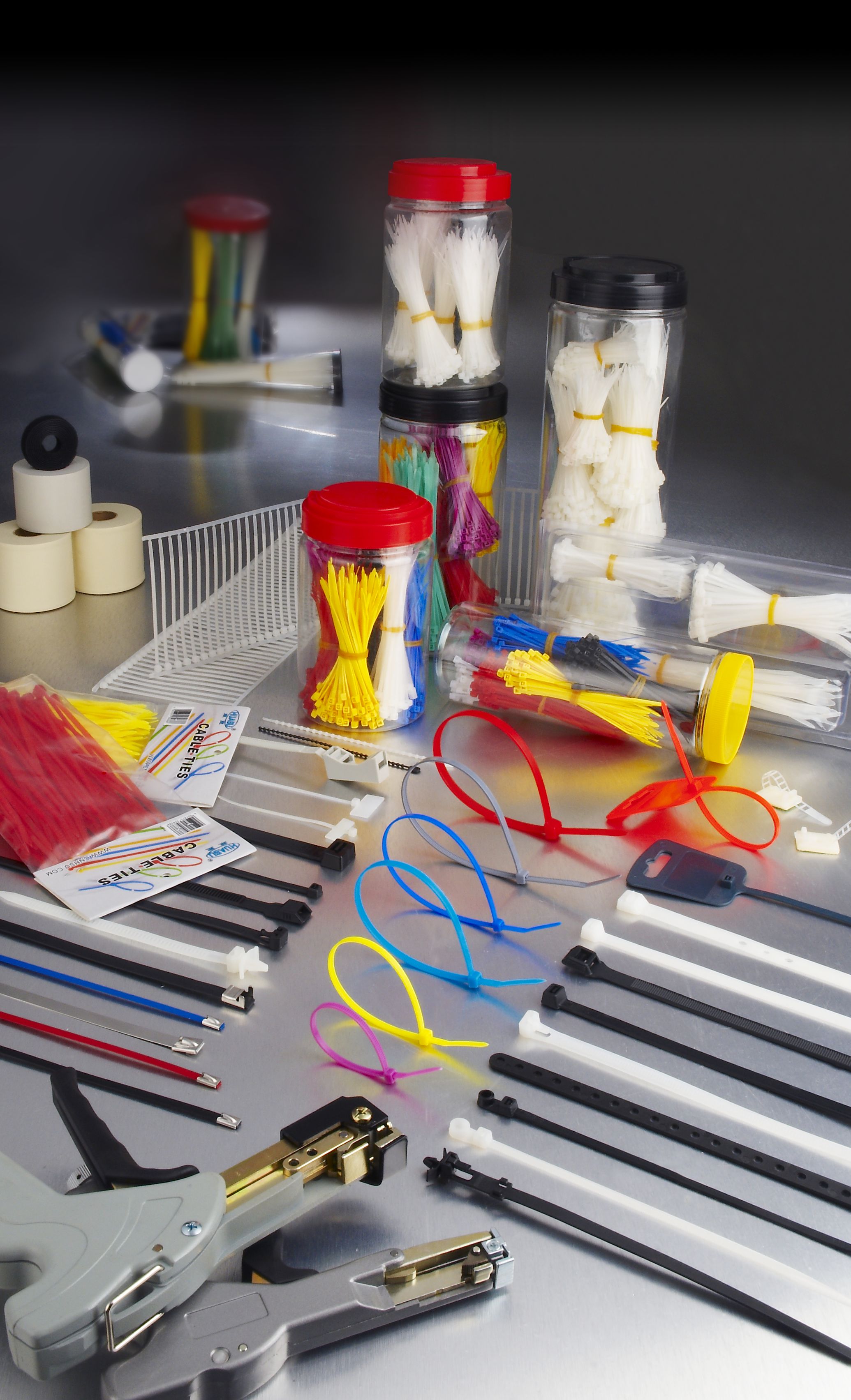 Cable ties
 - What Are Cable Ties?
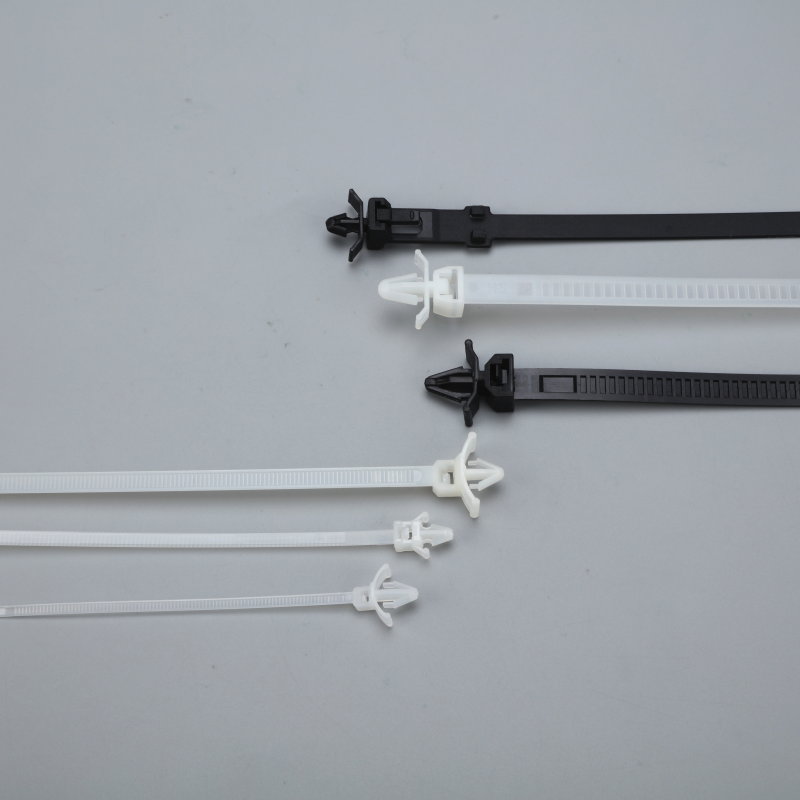 All kinds of cable ties
  What can we do for you today?
 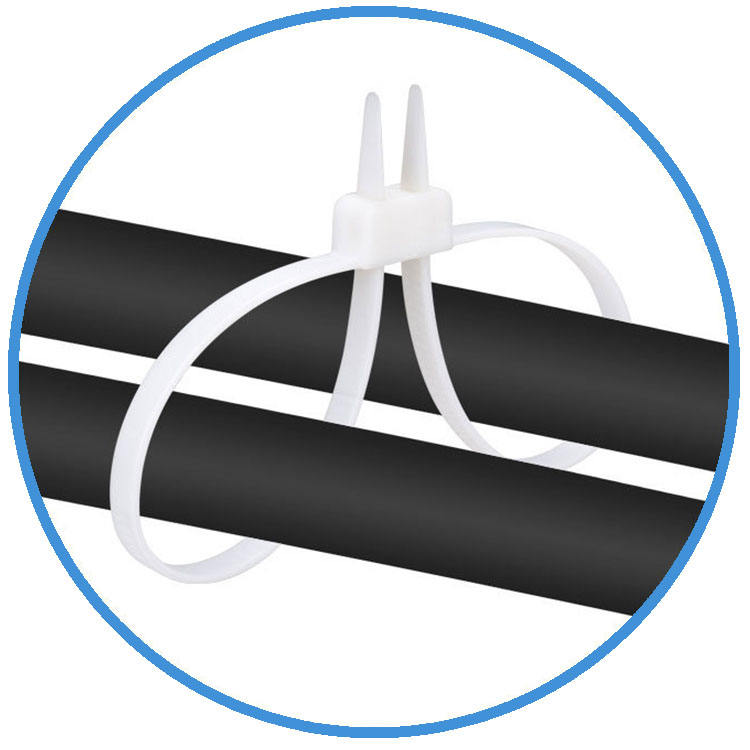 Nylon Cable Ties of Application
 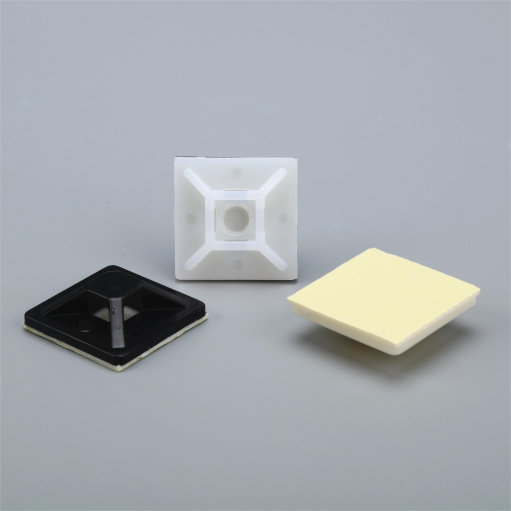 A guide to Self-adhesive Tie Mount
 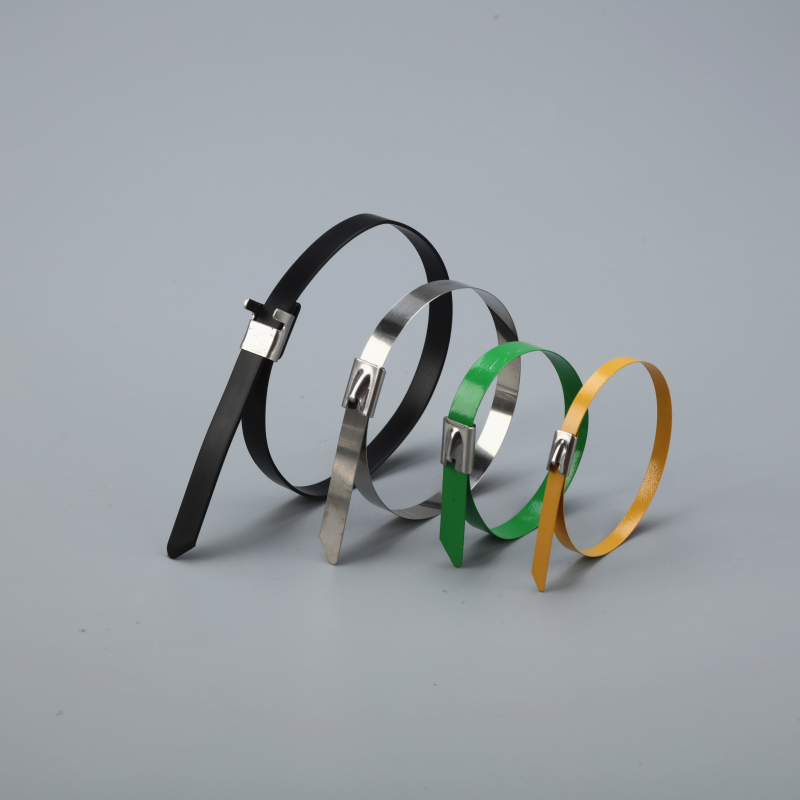 How to use Stainless Steel Cable Ties
 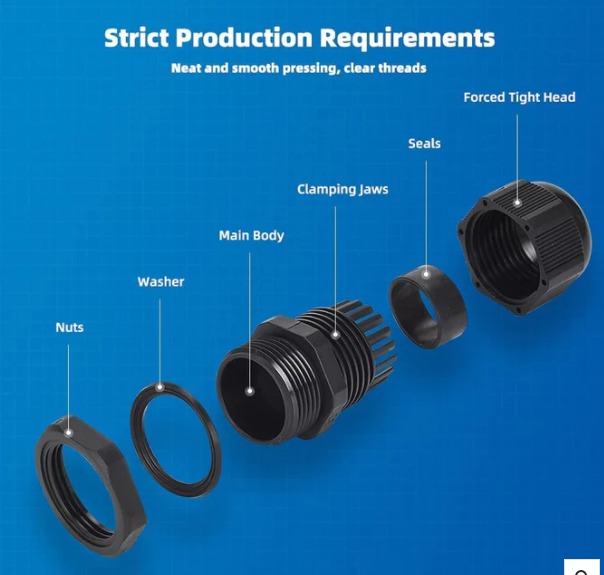 What are the types of cable glands and how to use them?
 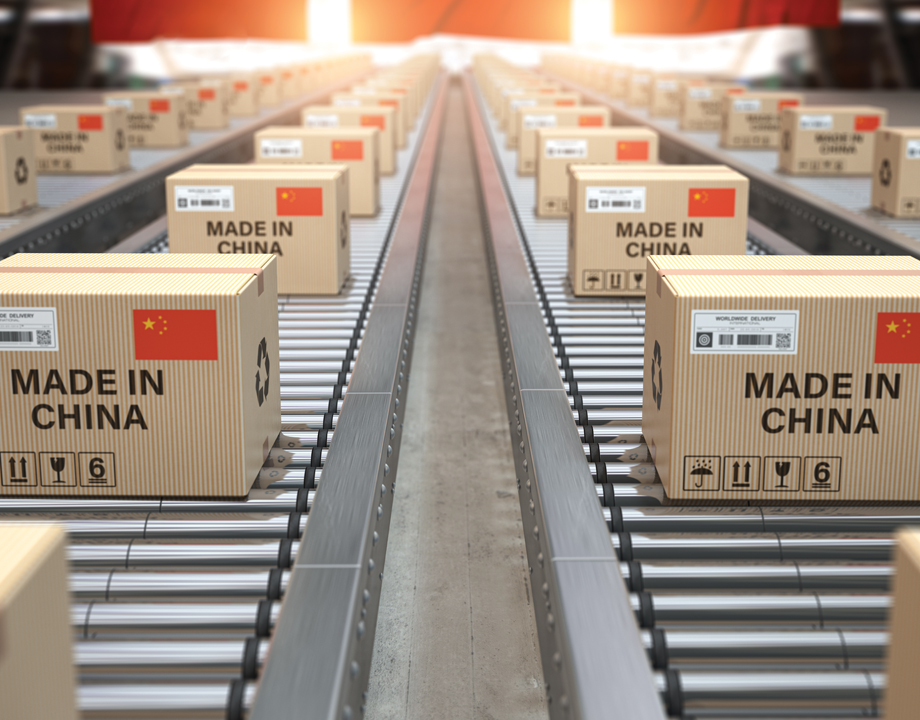 2023 More efforts needed to boost production