
Chinese YUAN Weakens to 6 9791 Against USD Friday
On Friday, the Chinese yuan (also known as the renminbi) weakened to 6.9791 against the U.S. dollar, marking a decline of 448 pips from the previous day’s rate, according to data provided by the China Foreign Exchange Trade System (CFETS). This marked a significant moment for the currency as it continued its trend of fluctuations against the dollar in recent weeks, reflecting various economic pressures both domestically in China and globally.
The central parity rate of the yuan is a benchmark figure set by the People's Bank of China (PBOC) every morning and is based on a weighted average of prices offered by market makers, such as commercial banks, before the opening of the interbank market. This rate is considered an important reference point for trading in China’s foreign exchange market, guiding the currency’s movements and setting the tone for the day’s trading session.
In the spot foreign exchange market, the yuan is subject to a daily trading band in relation to the central parity rate. The currency is allowed to fluctuate within a 2 percent range above or below the central parity rate. This means that on Friday, the yuan could trade anywhere between 6.8392 and 7.1190 against the dollar without intervention by the Chinese central bank. The 2 percent margin is a mechanism designed to allow for some flexibility in the market while still providing a reference for the currency's value, balancing the forces of supply and demand with regulatory oversight.
Over the past few months, the yuan has experienced increased volatility, largely due to a combination of domestic and international factors. Domestically, China’s economy has faced challenges such as slower-than-expected growth, rising debt levels, and concerns about the property market. These internal pressures have contributed to reduced investor confidence, putting downward pressure on the yuan. At the same time, international factors such as the strength of the U.S. dollar, global interest rates, and geopolitical tensions have added uncertainty to foreign exchange markets.
The weakening of the yuan comes at a time when the Chinese government and central bank have been managing a complex balancing act between supporting economic growth and preventing excessive depreciation of the currency. A weaker yuan can make Chinese exports cheaper and more competitive on the global market, which is beneficial for the country’s export-driven economy. However, excessive depreciation can raise concerns about capital outflows, inflation, and financial stability, which the authorities have sought to avoid.
As a result, the PBOC has been carefully monitoring the currency's movements, occasionally intervening in the market to stabilize the yuan when necessary. For instance, the central bank may adjust the reserve requirement ratio for banks or use foreign exchange reserves to stabilize the yuan’s value. At the same time, the government has been introducing policy measures to stimulate economic growth and boost investor confidence, including infrastructure spending and reforms to support the domestic market.
The fluctuations of the yuan are closely watched by global markets as China plays a significant role in the global economy. Any significant depreciation could have far-reaching effects on trade and investment, not only in China but in countries that are closely linked to its economy. As the U.S. Federal Reserve continues its policy of interest rate hikes to curb inflation, the differential between U.S. and Chinese interest rates also plays a key role in shaping investor sentiment toward the yuan.
In conclusion, the yuan’s recent weakening against the dollar underscores the challenges China faces in navigating both domestic economic slowdowns and external pressures. The authorities will continue to manage the currency carefully, balancing its fluctuations within the designated trading band to maintain stability in the foreign exchange market while supporting economic growth.
 Releasable Cable Ties: The Reusable, High-Performance Fastening Solution
  We are on the way Let us meet at the Hongkong Fair to create more business!
  We are on the way. Let's meet at the Canton Fair to create more business!
  Installing Metal Cables Ties
  How to Use Metal and Stainless Steel Zip Ties
 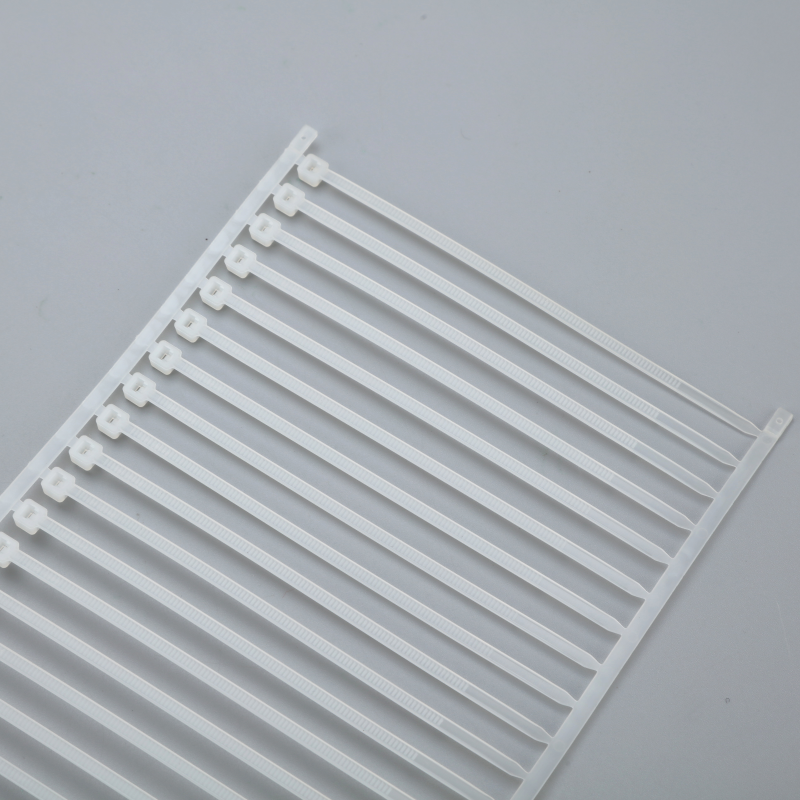 How to use Reel Fed Cable Ties
  Heat-shrink tubing
  The Features of The Features of Locking Wire Saddle
  Cable Tie Mounts
  How about Cable Clips ?
  How to use plastic expansion tube ?
  The 133rd Canton Fair exhibition of Huihua Electronics
  Cable ties
 - What Are Cable Ties?
 All kinds of cable ties
  What can we do for you today?
  Nylon Cable Ties of Application
  A guide to Self-adhesive Tie Mount
  How to use Stainless Steel Cable Ties
  What are the types of cable glands and how to use them?