
How Humidity and Moisture Affect Zip Ties
Most standard cable ties, zip ties, and tie-wraps are primarily made from Polyamide 6/6, more commonly known as Nylon 6/6. This versatile material is a type of nylon, a family of polyamides known for their strength and durability. Nylon 6/6 is widely used in cable ties because of its excellent mechanical properties, including tensile strength, flexibility, and resilience to a variety of environmental conditions. However, one important characteristic of Nylon 6/6 is that it is hygroscopic, meaning it has the ability to absorb moisture from its surrounding environment. This property is crucial to understand when handling and storing cable ties made from this material.
Nylon 6/6 can absorb up to 8% of its weight in moisture, which can impact its performance. As a result, during the cable tie molding process, the material is typically dried to reduce its moisture content to a minimum before it is molded into its final shape. Once the molding is complete, the cable ties are sealed in bags with an additional 2-3% moisture content added. This step is known as the conditioning or curing process, and it ensures that the cable ties retain a proper balance of moisture for their intended use.
Since Nylon 6/6 is hygroscopic, it is susceptible to drying out in environments with low humidity, which can cause it to lose its strength and become brittle. In such conditions, the material may become more prone to breakage when the cable ties are installed or even during handling. To prevent this, it is important to store cable ties in temperature-controlled environments, ideally around 70°F (21°C) with 50% humidity. When stored in dry, fluctuating temperature conditions, cable ties may lose moisture, compromising their flexibility and strength. However, hygroscopic materials like Nylon 6/6 don’t dry out to the point of no return. If cable ties have dried out, adding a few drops of water to the sealed packaging can help them absorb moisture and restore their strength. After 24 hours, the ties should return to their original form and performance.
For optimal performance and longevity, it is essential to store cable ties in a controlled environment and to use them within 3-5 days of opening the packaging. Additionally, employing the first-in, first-out (FIFO) method for inventory management ensures that older cable ties are used first, preventing prolonged exposure to unfavorable conditions. When using cable ties, it’s also crucial not to over-tighten them during installation, as excessive tension can cause the ties to break. If premature failure occurs, it may be due to the moisture content in the cable ties before installation, which can weaken the material.
To improve the performance and durability of cable ties, manufacturers also produce enhanced versions of Nylon 6/6, which offer extended product life. These enhanced versions often feature additional properties such as resistance to extreme temperatures, chemical exposure, or UV radiation, making them suitable for use in harsher environments. For the ultimate in durability, stainless steel cable ties are also available, offering superior resistance to the elements, including corrosion, rust, and other environmental stresses.
In summary, while Nylon 6/6 is an ideal material for cable ties due to its mechanical strength and versatility, it is essential to properly store and handle these ties to prevent moisture-related issues. With proper care, cable ties can maintain their durability and performance for a long time, ensuring safe and efficient installations.
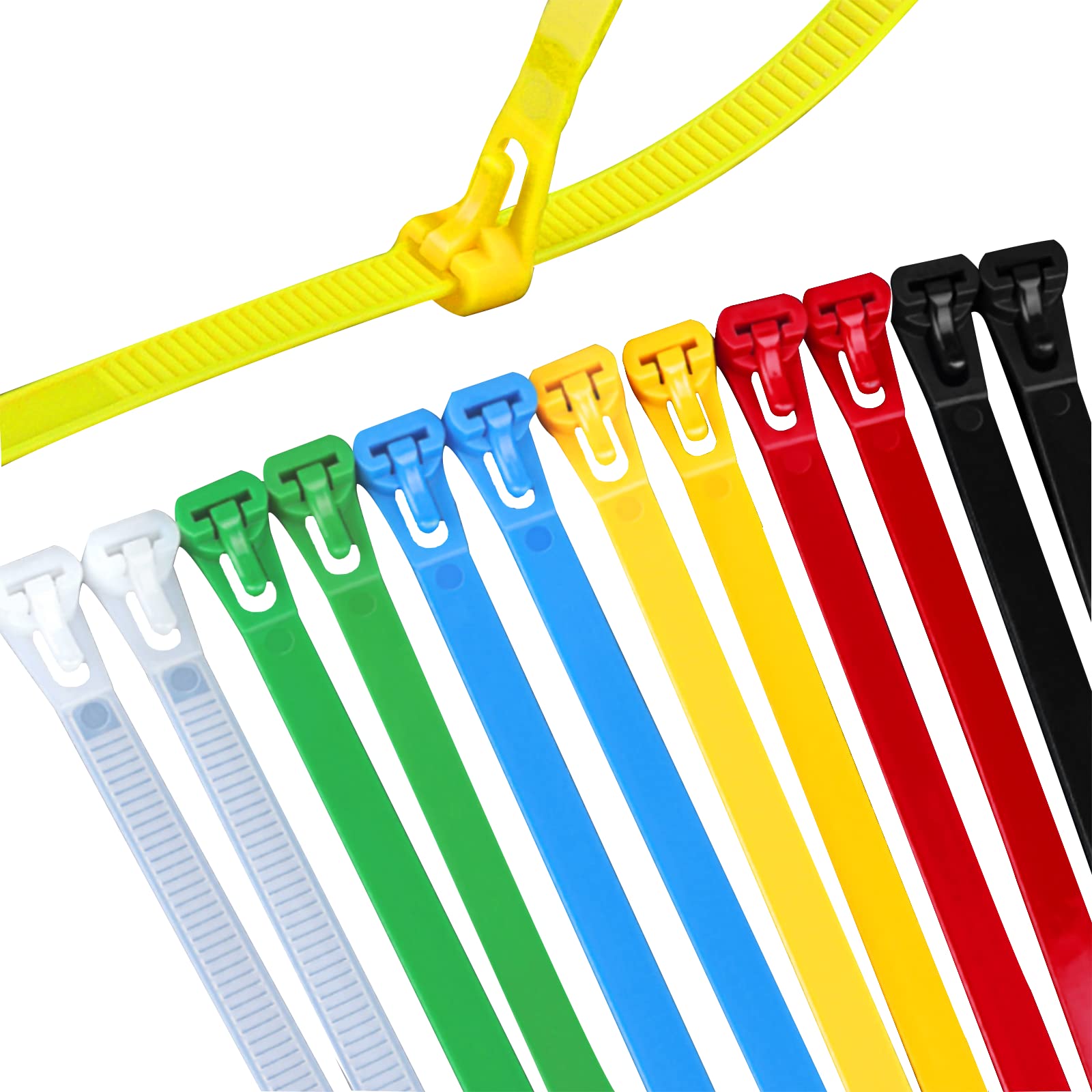 Releasable Cable Ties: The Reusable, High-Performance Fastening Solution
  We are on the way Let us meet at the Hongkong Fair to create more business!
  We are on the way. Let's meet at the Canton Fair to create more business!
 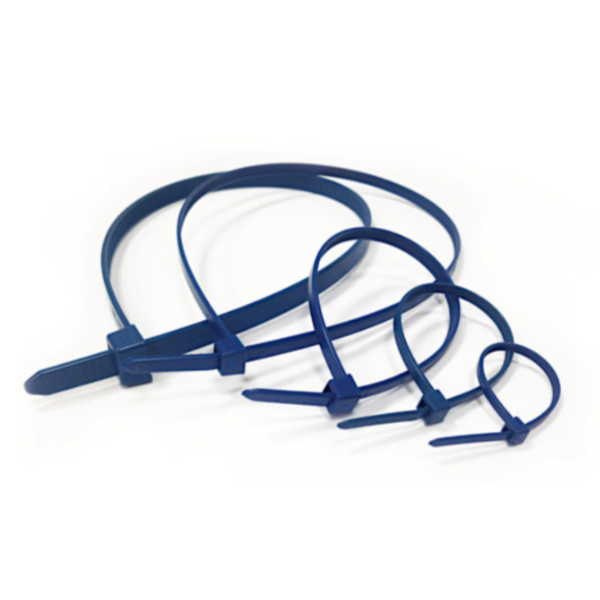 Installing Metal Cables Ties
 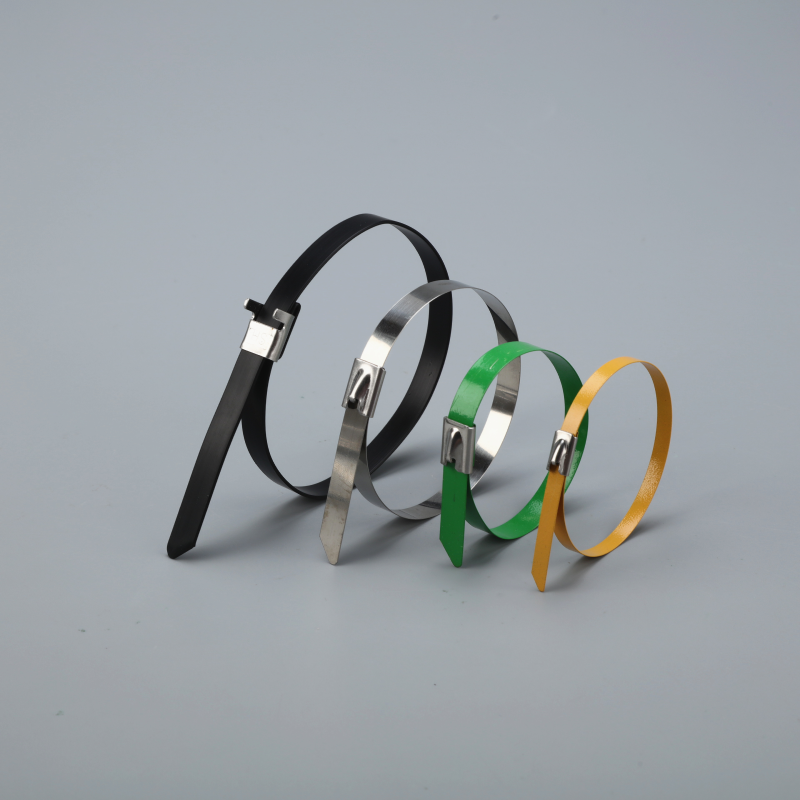 How to Use Metal and Stainless Steel Zip Ties
 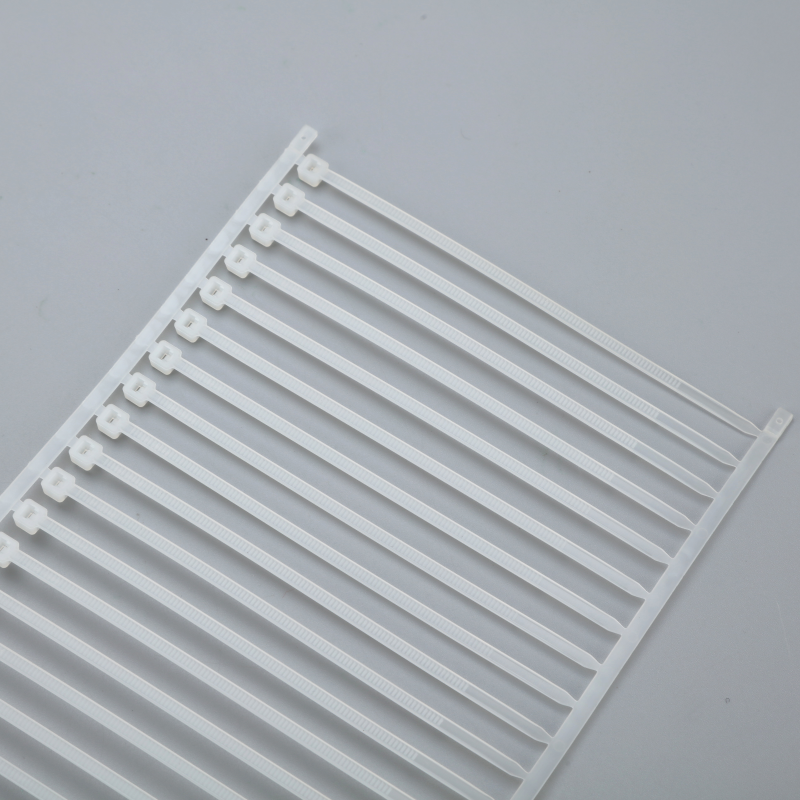 How to use Reel Fed Cable Ties
 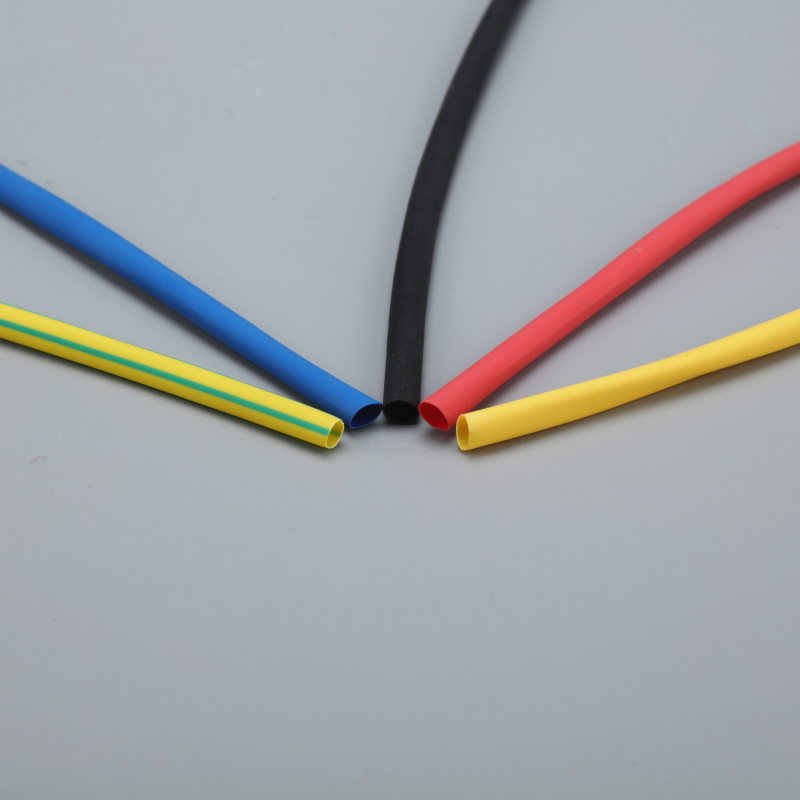 Heat-shrink tubing
 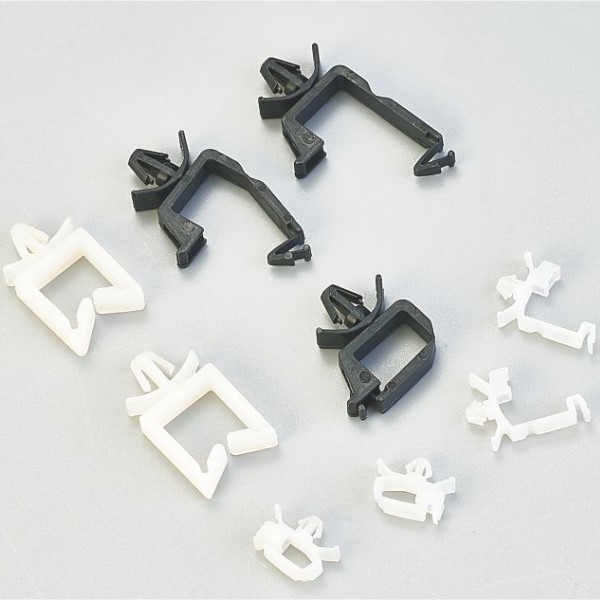 The Features of The Features of Locking Wire Saddle
  Cable Tie Mounts
 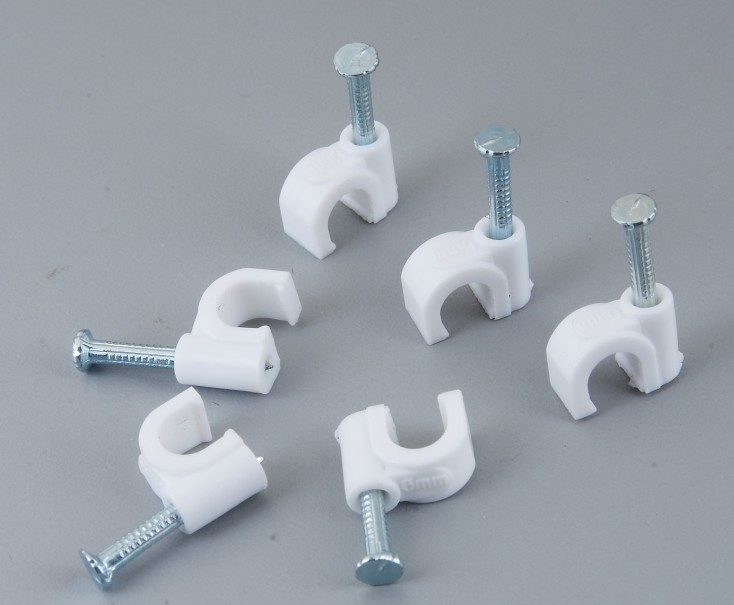 How about Cable Clips ?
 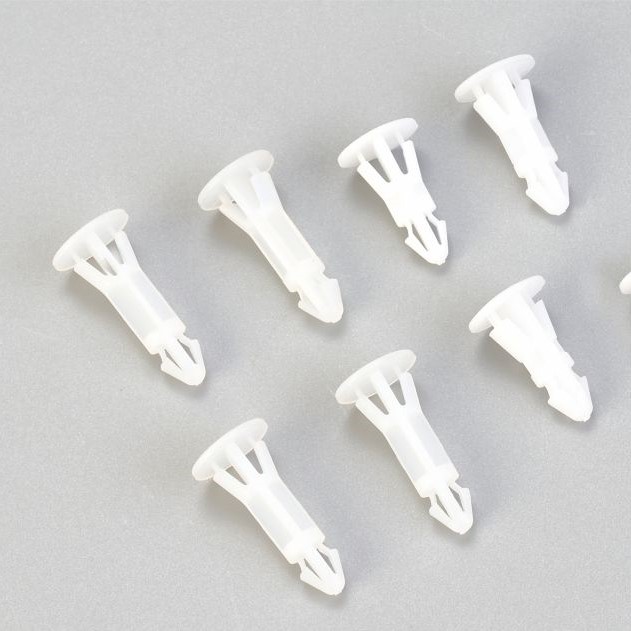 How to use plastic expansion tube ?
 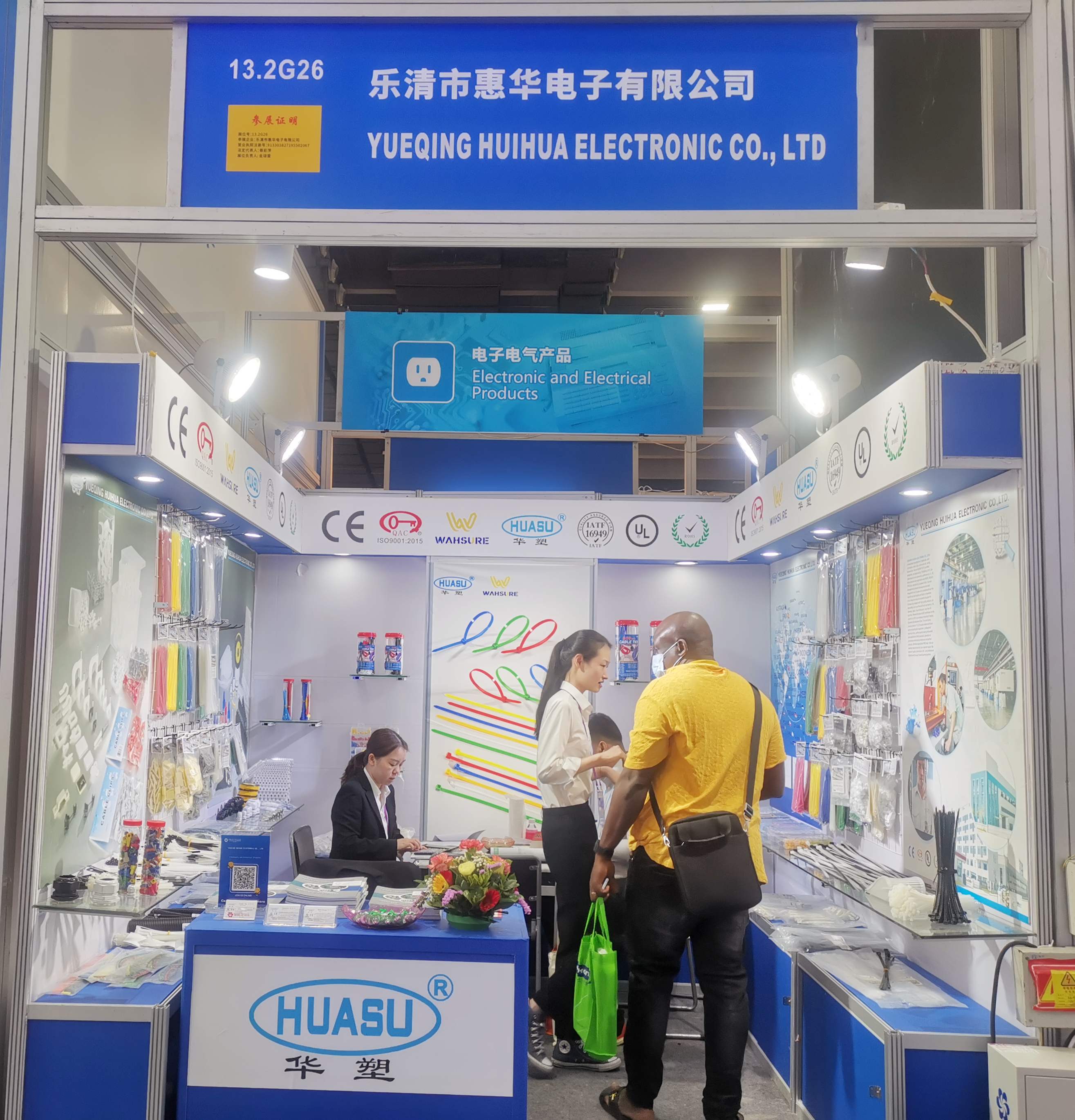 The 133rd Canton Fair exhibition of Huihua Electronics
 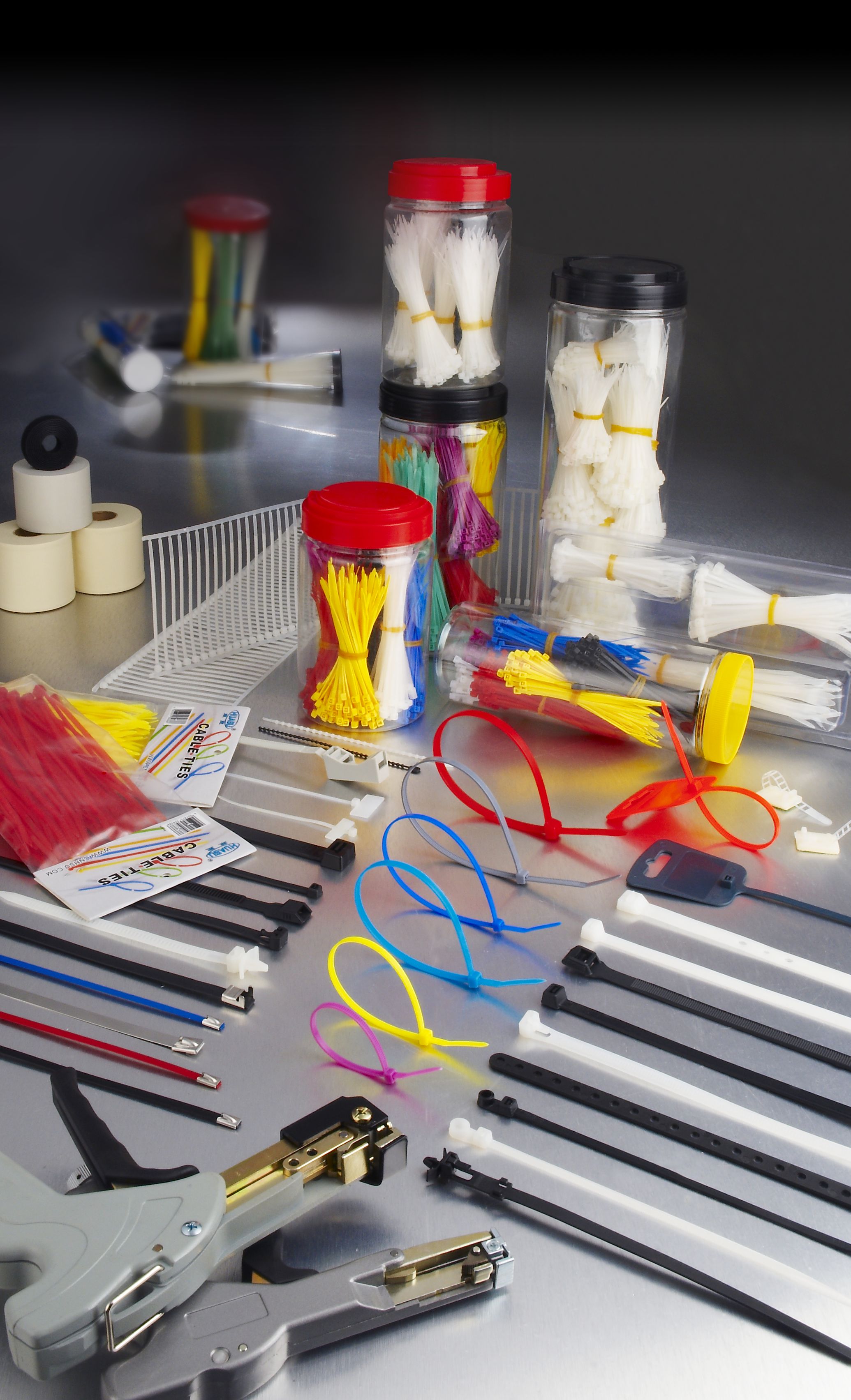 Cable ties
 - What Are Cable Ties?
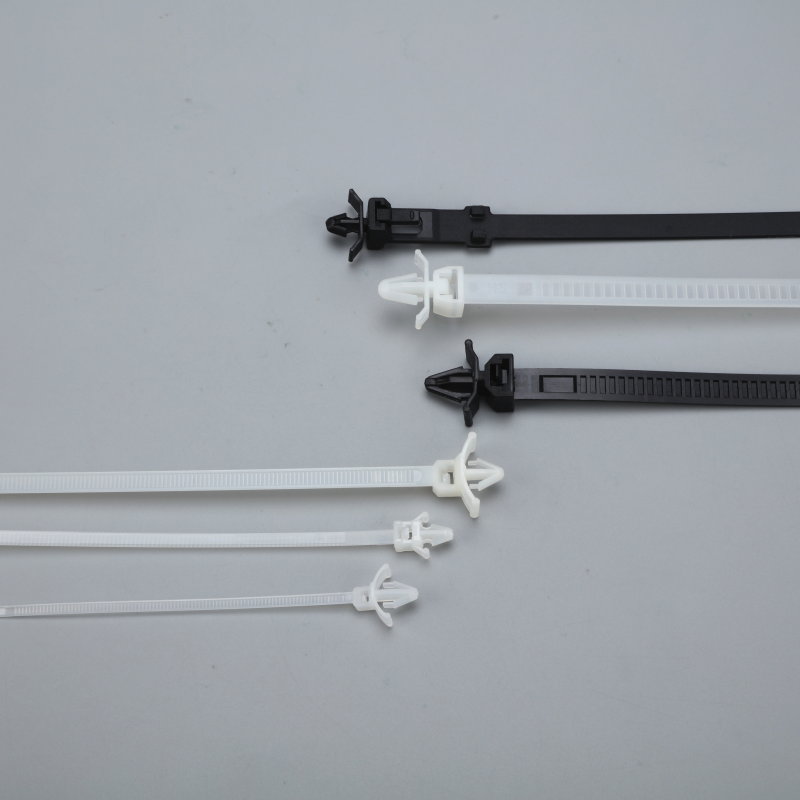 All kinds of cable ties
  What can we do for you today?
 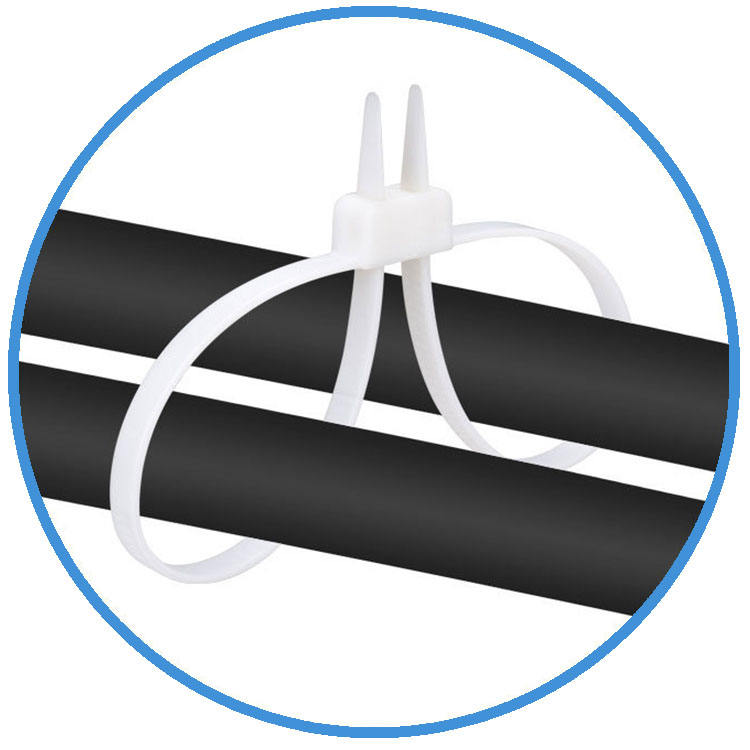 Nylon Cable Ties of Application
 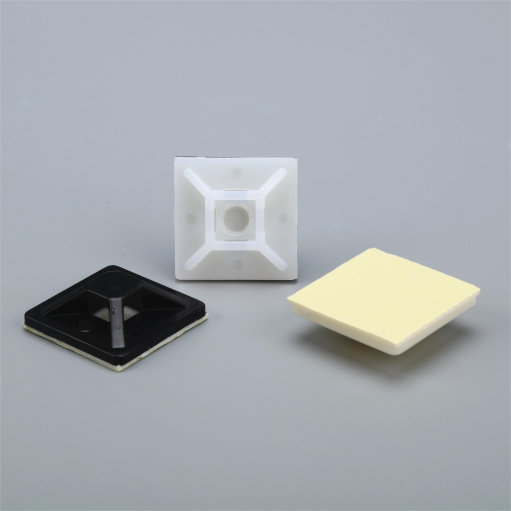 A guide to Self-adhesive Tie Mount
  How to use Stainless Steel Cable Ties
 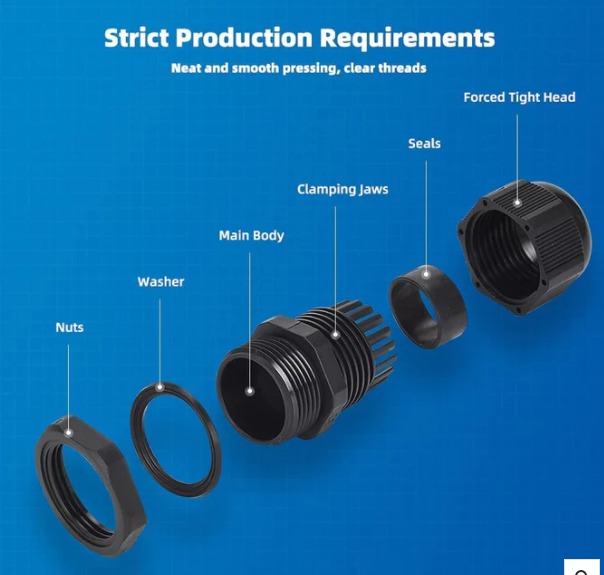 What are the types of cable glands and how to use them?