
Why cable ties fail
Cable ties, also known as zip ties, are essential tools used to secure and organize cables, wires, and other items in various applications. A standard cable tie consists of three primary components: the head, the tail, and the pawl. The tail is the long, flexible end of the tie that is inserted into the head, which contains the locking mechanism. Inside the head, the pawl acts as a ratcheting mechanism, allowing the tail to pass through in one direction but preventing it from being pulled back. This mechanism is crucial to the cable tie's ability to secure objects effectively.
Contrary to popular belief, the teeth on the tail of the cable tie don’t prevent it from releasing. Instead, the pawl plays the most critical role. It is the pawl that creates the pressure between the head and tail, holding the tie in place. When the tail is pulled through the head, the pawl ratchets up, creating enough tension to secure the tie firmly around the object it is holding.
The pawl must balance two essential qualities: flexibility and stiffness. It needs to be flexible enough to allow the tail to pass through the head during installation, but once in place, it must be stiff enough to resist movement and hold the tie under tension. This tension is referred to as the tensile strength, which measures how much force the cable tie can withstand before failing. The tensile strength is a critical performance criterion, as cable ties are often used in applications that require them to hold under significant strain.
Despite their simple appearance, cable ties are engineered to endure constant strain without failure. When cable ties do fail, over 80% of the time, the issue is not the tie itself breaking, but the pawl releasing. This highlights how essential the pawl’s design and performance are for the overall effectiveness of the cable tie. If the pawl is too weak or defective, it will fail to maintain tension, leading to the tie loosening and potentially causing a failure in the system.
For cable ties to perform safely and reliably, their pawl must be precisely designed and manufactured to ensure that it can handle the forces applied without compromising the tie's functionality. This makes the pawl the most critical component in the performance and longevity of cable ties.

Designs must to take into account many environmental factors including the heat the application is involved in, the amount of moisture uptake the material will have at equilibrium and even potential exposure to chemicals or UV light. These factors impact the performance of the pawl and can lead to stress cracking, degradation and failure.
For these reasons, material and tooling selection for the design are vital. The tool itself can cost upwards of 35% of the total machine cost. Given the incredibly tight (fractions of a millimeter) design clearance required, the materials and tooling work together to produce and reproduce millions of cable ties that perform without fault over years of use.
As the performance ties producer with a dedicated cable tie design team, our full portfolio of engineered plastics offers excellent flexibility while maintaining tensile strength and processability, helping reduce failures and stand up to environmental challenges.
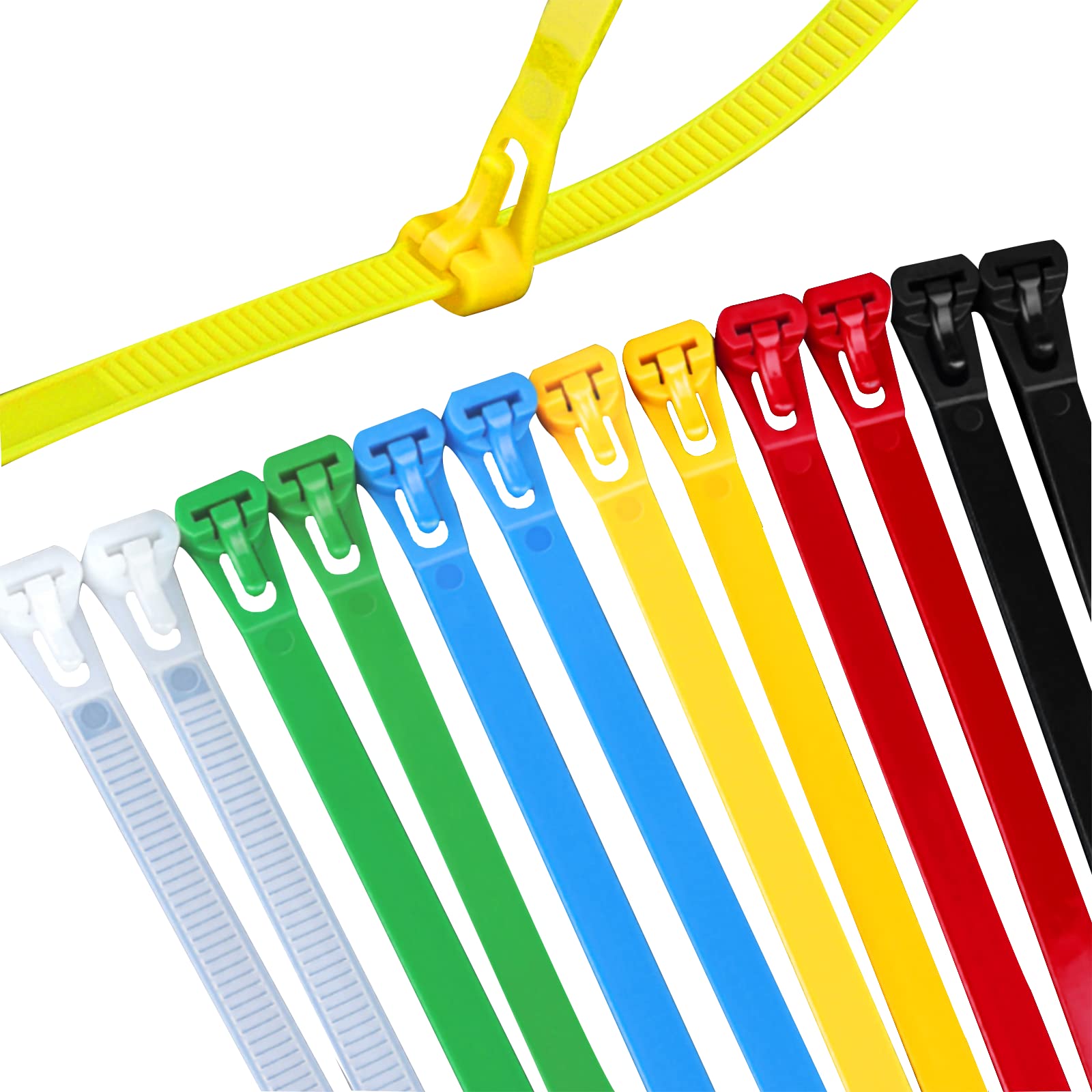 Releasable Cable Ties: The Reusable, High-Performance Fastening Solution
  We are on the way Let us meet at the Hongkong Fair to create more business!
  We are on the way. Let's meet at the Canton Fair to create more business!
 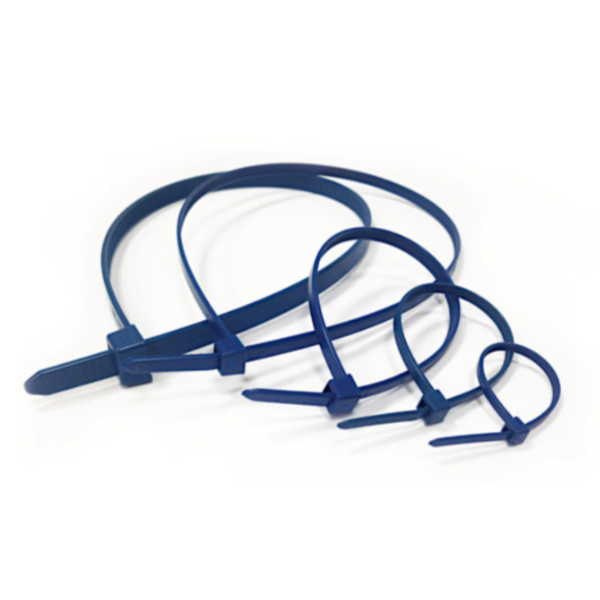 Installing Metal Cables Ties
 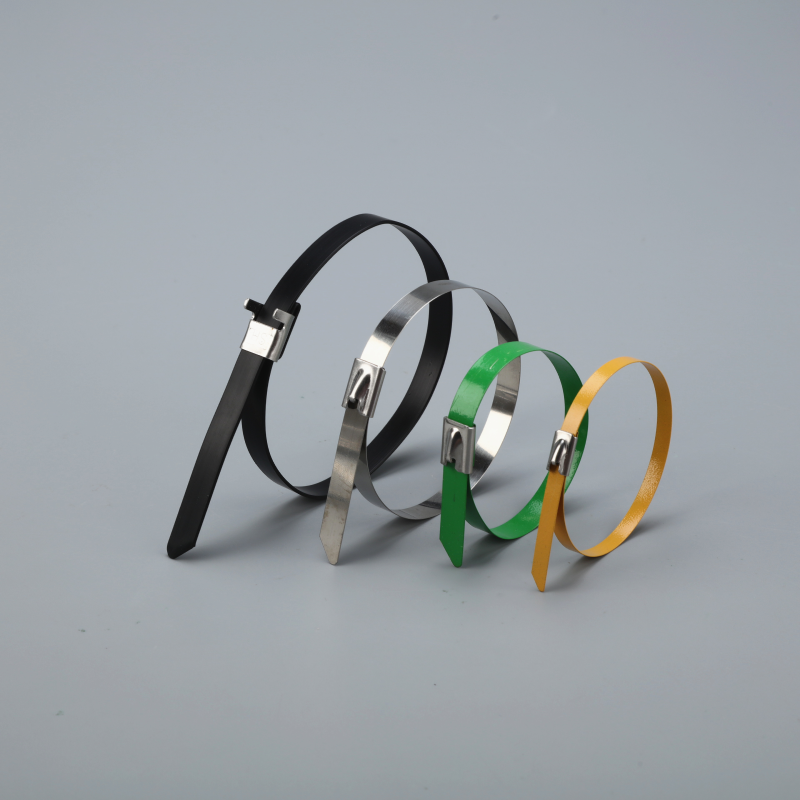 How to Use Metal and Stainless Steel Zip Ties
 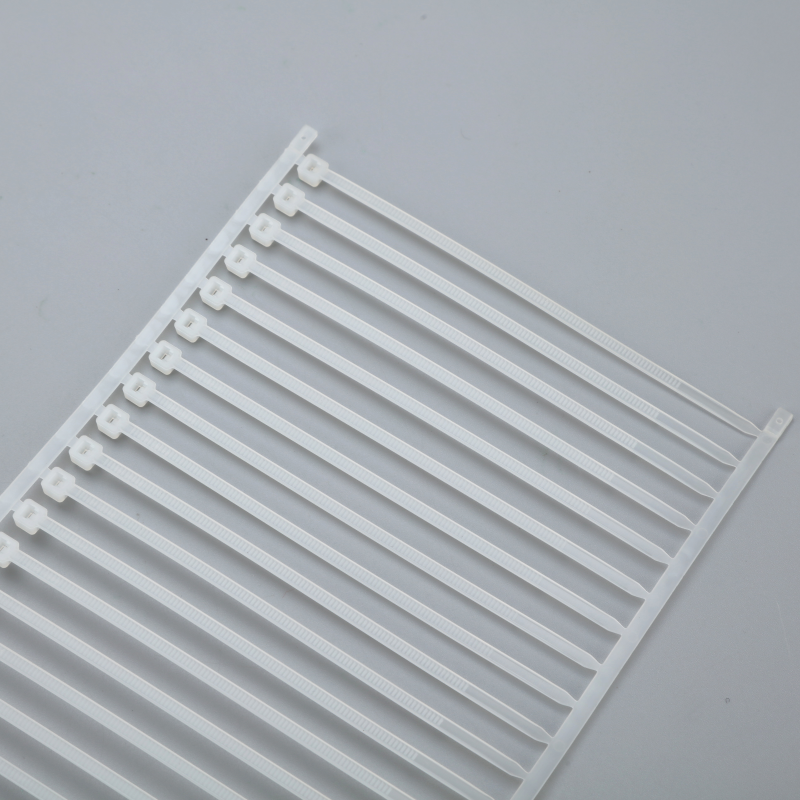 How to use Reel Fed Cable Ties
 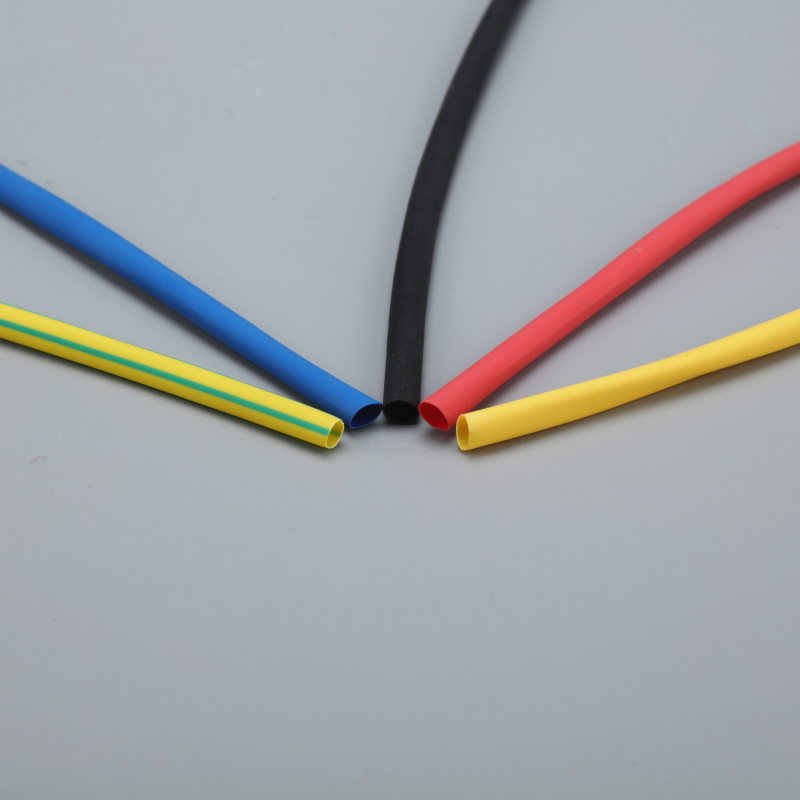 Heat-shrink tubing
  The Features of The Features of Locking Wire Saddle
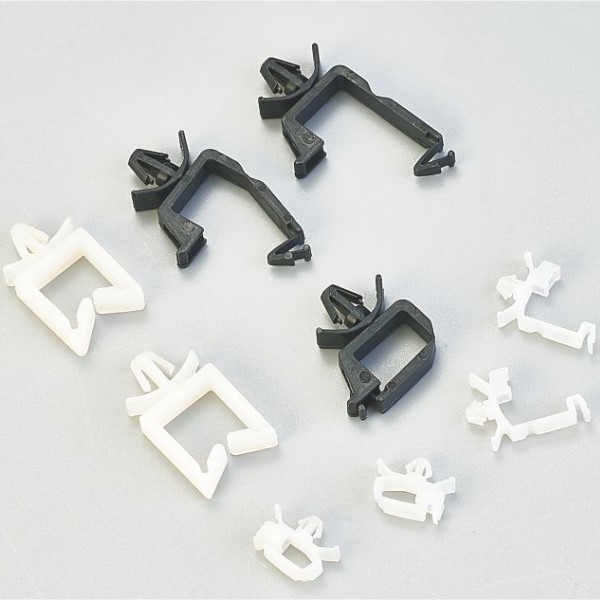
  Cable Tie Mounts
 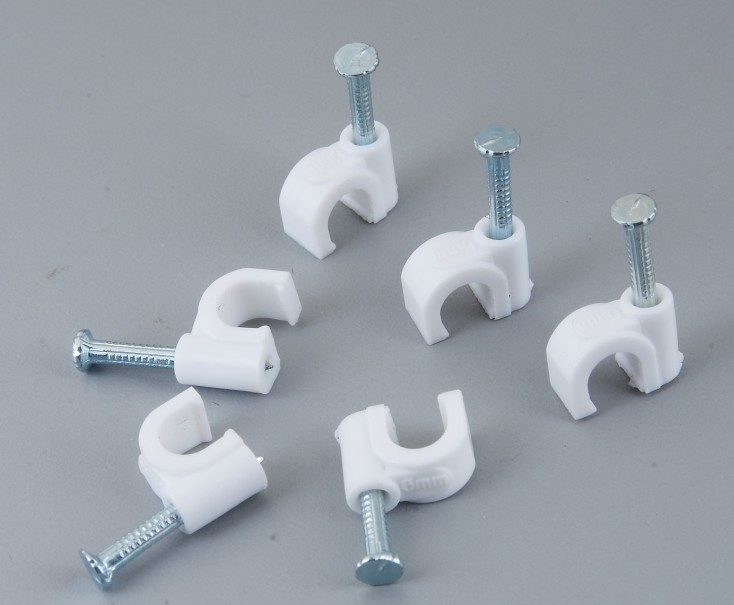 How about Cable Clips ?
 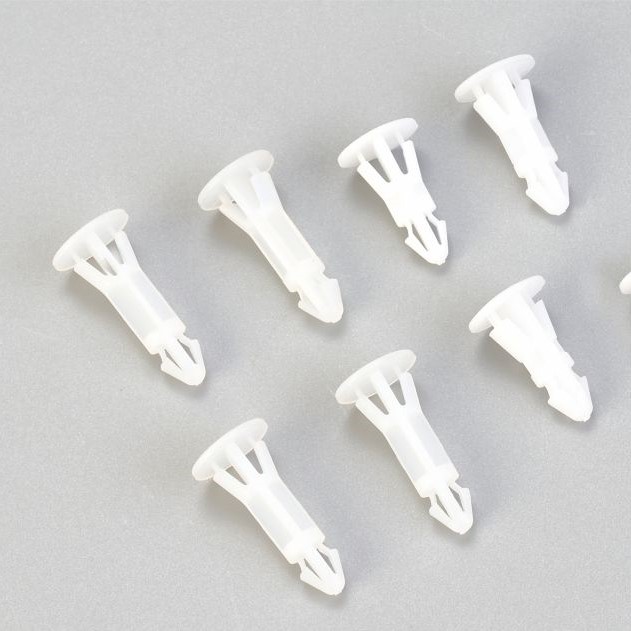 How to use plastic expansion tube ?
 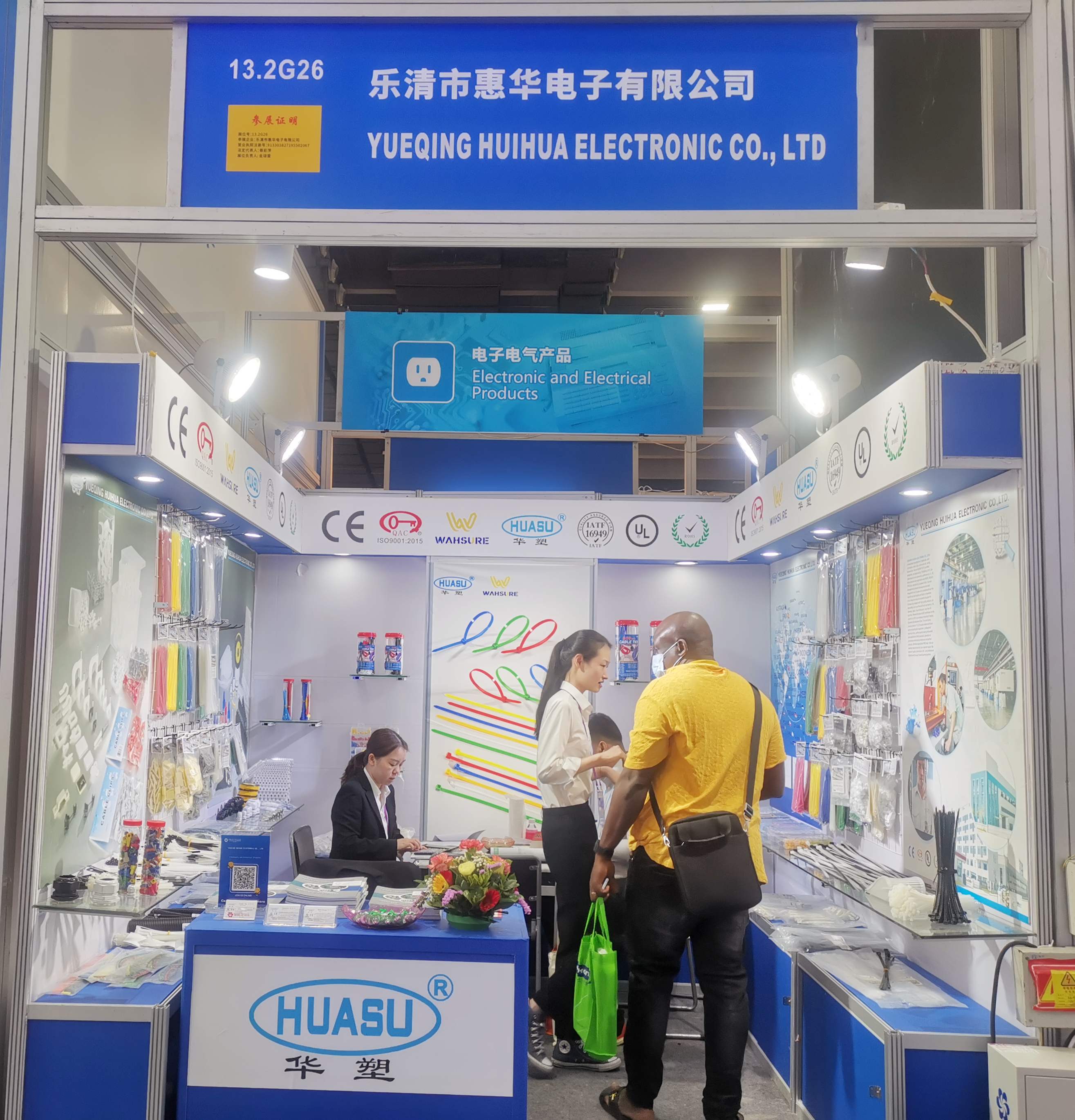 The 133rd Canton Fair exhibition of Huihua Electronics
 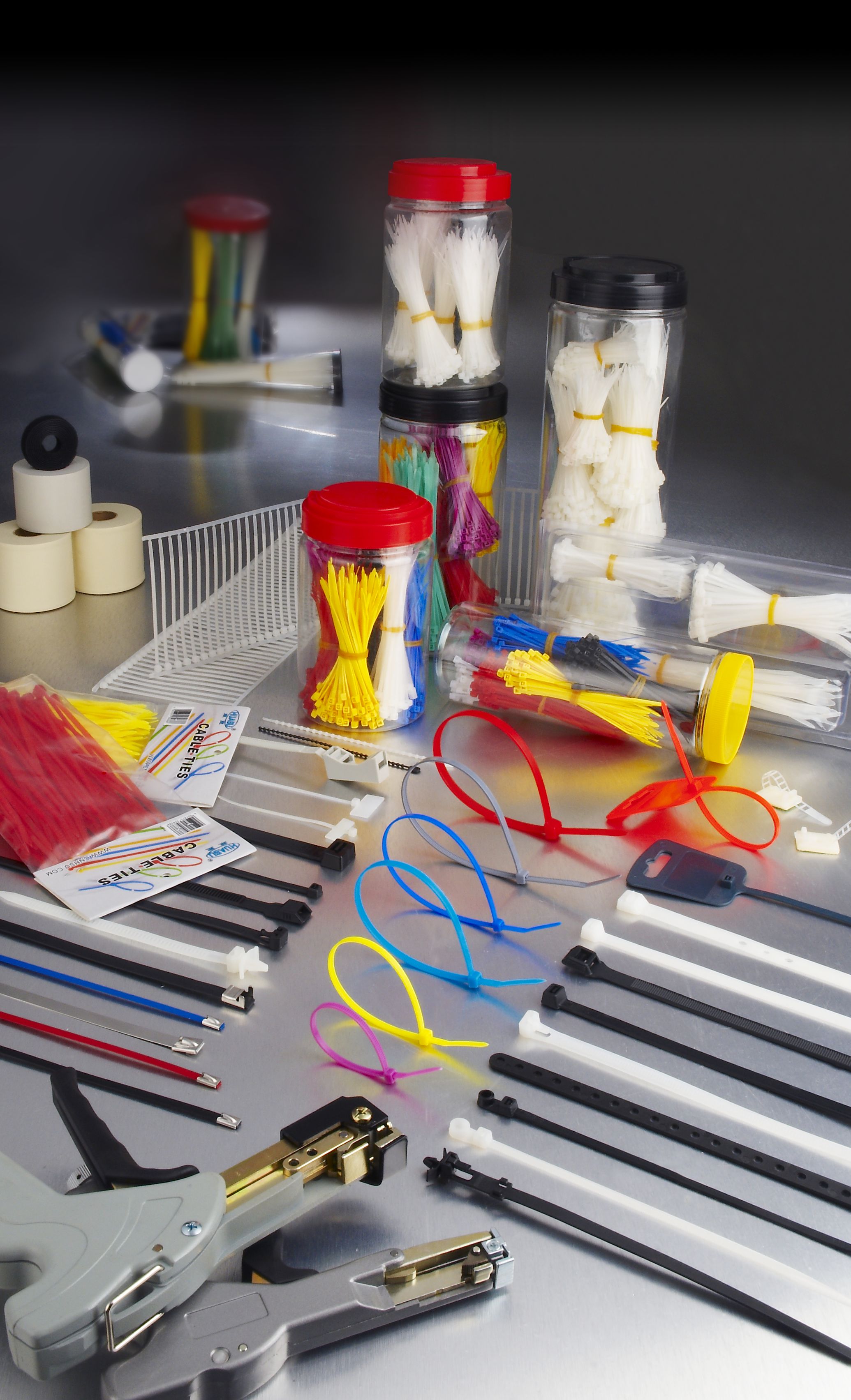 Cable ties
 - What Are Cable Ties?
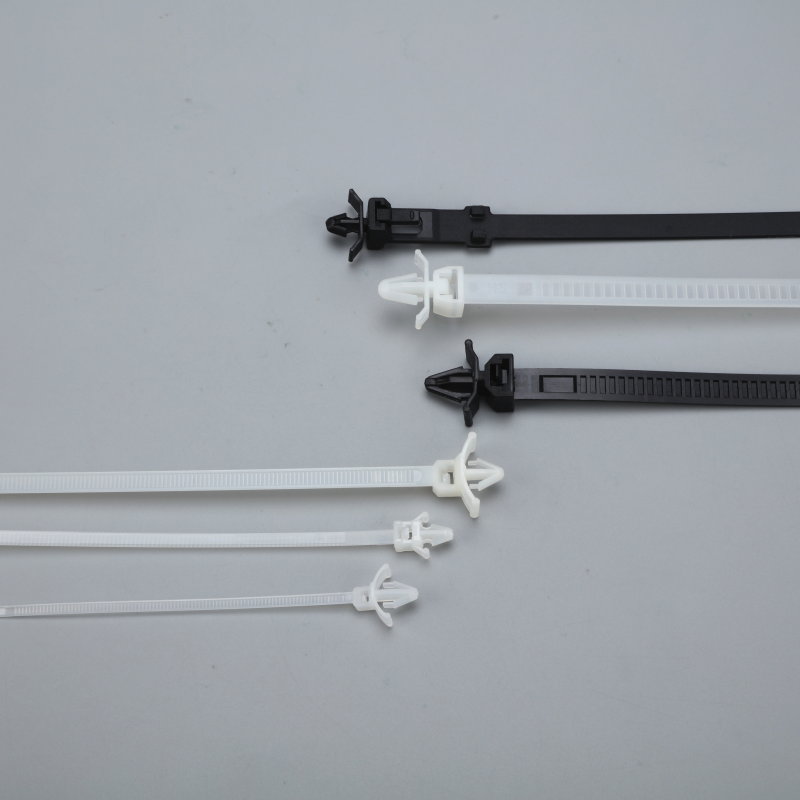 All kinds of cable ties
  What can we do for you today?
 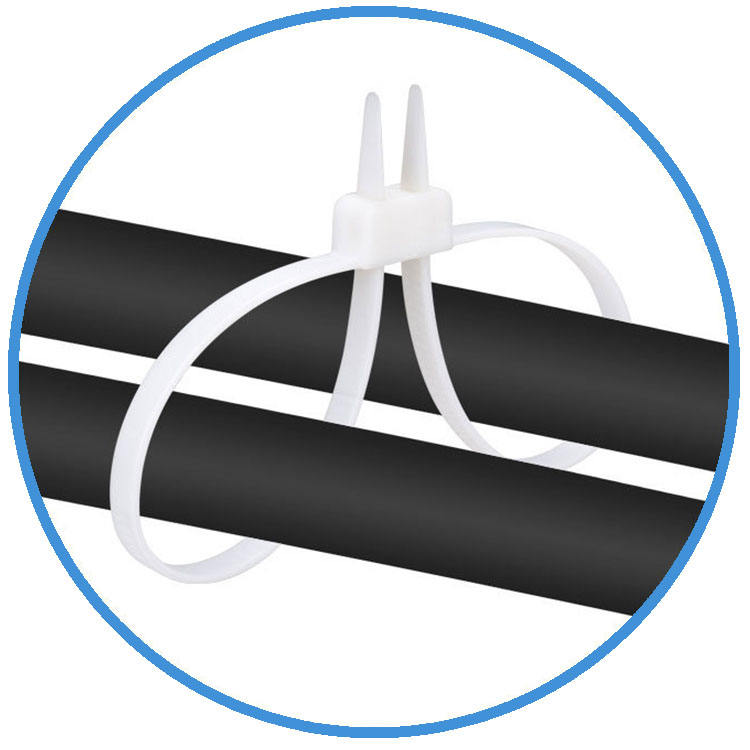 Nylon Cable Ties of Application
 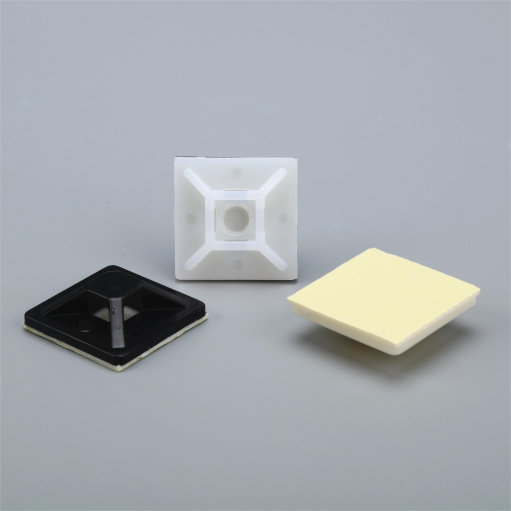 A guide to Self-adhesive Tie Mount
  How to use Stainless Steel Cable Ties
 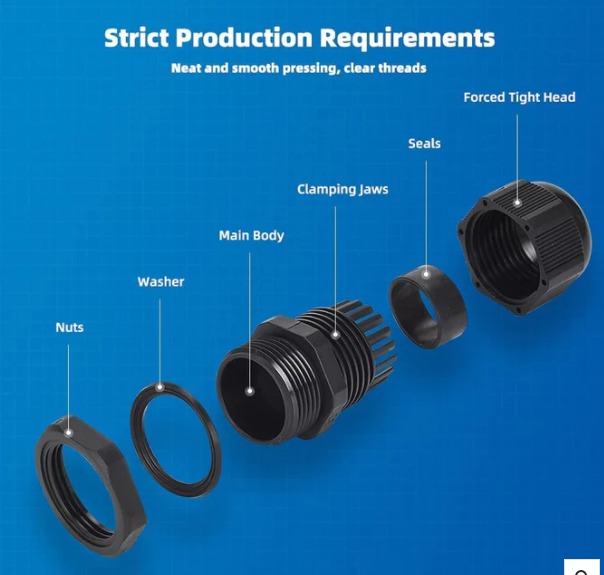 What are the types of cable glands and how to use them?