
Cable Ties: Design and Use
What are Cable Ties?
Standard cable ties are commonly made from nylon 6.6, a type of polyamide known for its strength, durability, and resistance to heat and chemicals. These ties are widely used in various industries to bundle, organize, and secure items, particularly wires and cables. Cable ties function much like a strap with a self-locking mechanism: one end of the tie is equipped with serrated “teeth,” while the other side features a locking head or pawl. When the tie is pulled through the locking mechanism, the teeth engage, securing the tie in place and preventing it from loosening.
Cable ties are available in a range of sizes to meet different needs. Smaller, mini cable ties are ideal for securing lightweight, delicate items, while larger, heavier-duty ties are designed for bundling cables or other materials that require more tensile strength. Some cable ties are also designed with specific requirements in mind, such as extreme lengths or high tensile strength for industrial applications.
Manufacturers often offer cable ties in various colors and sizes to meet specific application requirements, including custom designs for particular industries. For instance, UV-protected cable ties are designed to resist degradation from prolonged exposure to sunlight, making them suitable for outdoor use. These variations ensure that cable ties can be adapted for a wide range of environments and tasks, from electronics assembly to construction, automotive, and outdoor installations. The versatility and strength of nylon cable ties make them essential tools in many professional fields.
Cable Tie Applications and Types
Cable ties, also known as bale ties and wire ties, help organize wiring systems by grouping cables together. Specific application fields include transportation, telecommunications, speaker wires, and home theater/equipment. They are constructed for indoor and outdoor use and vary in composition.
- Natural Cable Ties are usually constructed from 6.6 nylon grade. These ties are typically appropriate for general purpose applications and are resistant to chemical, grease and oil-based products. All ties should meet a flammability resistance requirement, which is indicated by the manufacturer. Many of these ties may be manually adjusted, and various pneumatic tools are available to help reduce installation time. Higher temperature nylon generally includes nylon grade 4.6.
- UV Protected Cable Ties are also known as black cable ties and are used for outdoor applications. Like natural cable ties, they are resistant to oils and grease; they are different because they are resistant to environmental contaminants. These cables are commonly used for applications that require a high tensile holding strength and are often manufactured in nylon 12-grade material.
- Stainless Steel Ties are typically suitable for applications that require a high level of protection against corrosion and environmental conditions, which may cause typical nylon cables to disintegrate. They are used for indoor, outdoor and underground applications. Manufacturers may offer black nylon sleeves for added corrosion protection.
Other Considerations
To ensure that cable ties are the most effective for an application, it is essential to store them properly. Specifically, manufacturers suggest storing nylon cables in a cool and dry area to prevent the material from disintegrating or oxidizing. Because thin versions of nylon are sensitive to bending, manufacturers also recommend being cautious when applying pressure to the bands, as they may become misshapen. Additionally, consult with individual companies to confirm whether cable ties are CE and RoHS compliant.
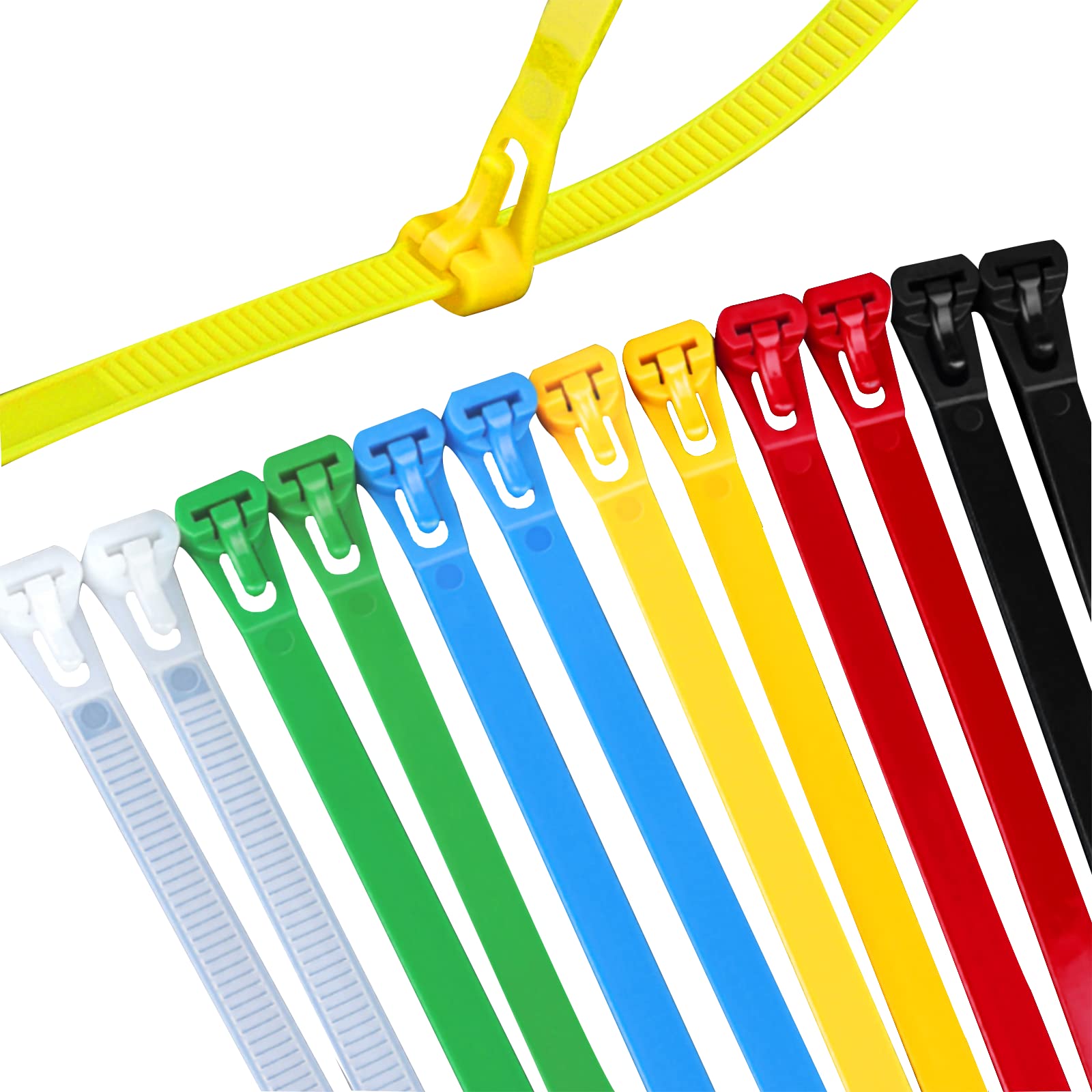 Releasable Cable Ties: The Reusable, High-Performance Fastening Solution
  We are on the way Let us meet at the Hongkong Fair to create more business!
  We are on the way. Let's meet at the Canton Fair to create more business!
 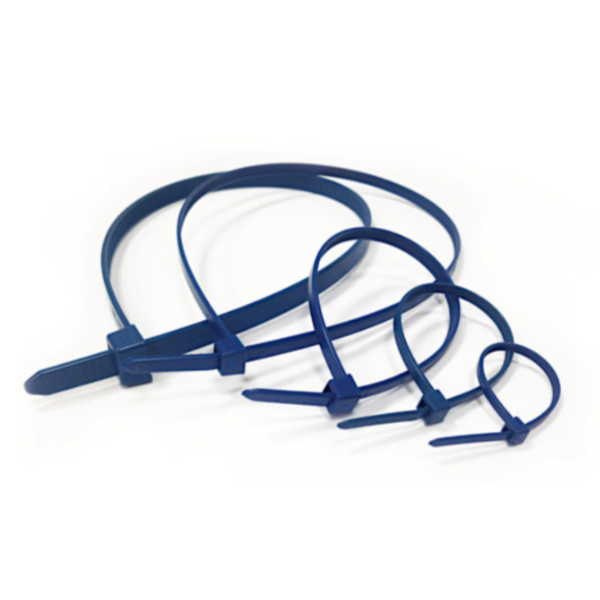 Installing Metal Cables Ties
  How to Use Metal and Stainless Steel Zip Ties
 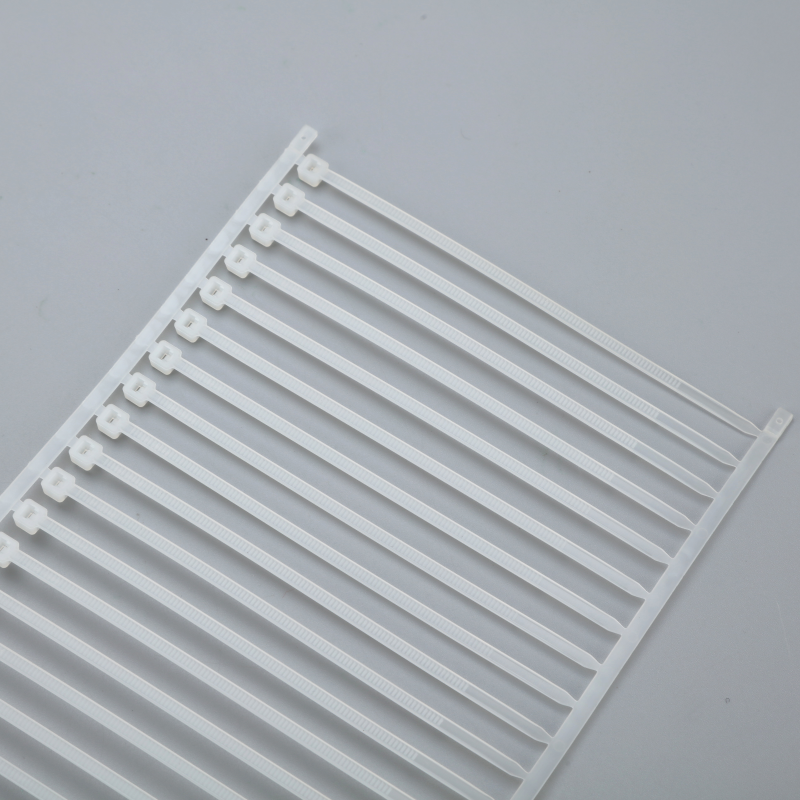 How to use Reel Fed Cable Ties
 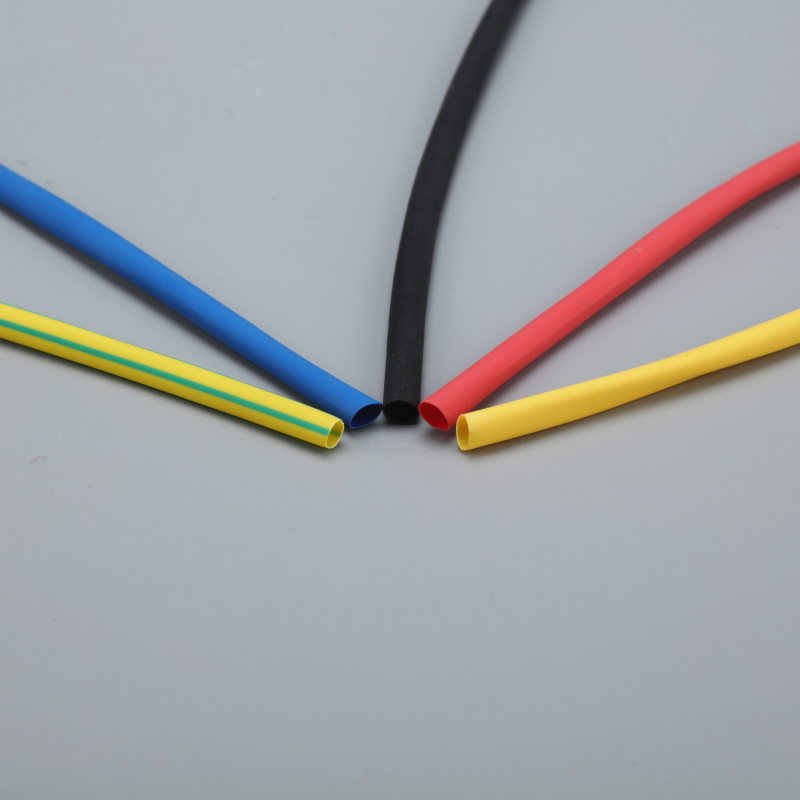 Heat-shrink tubing
 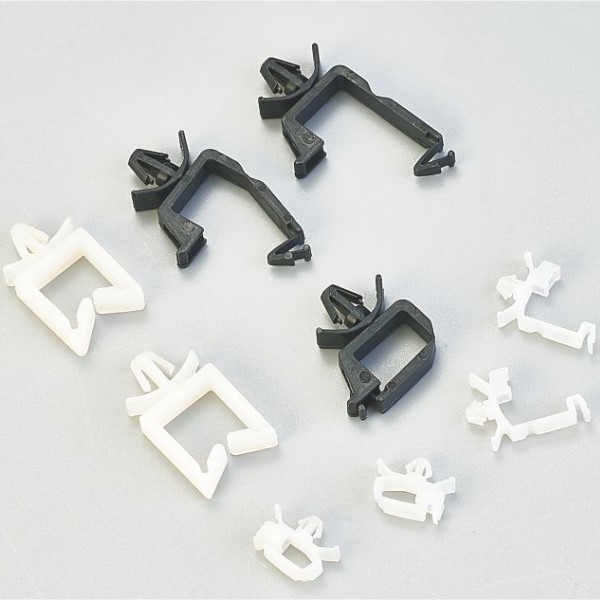 The Features of The Features of Locking Wire Saddle
  Cable Tie Mounts
 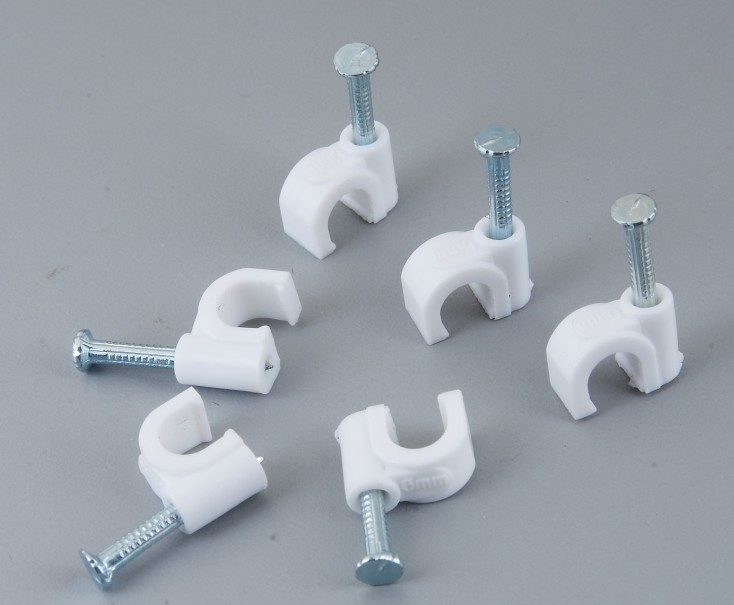 How about Cable Clips ?
 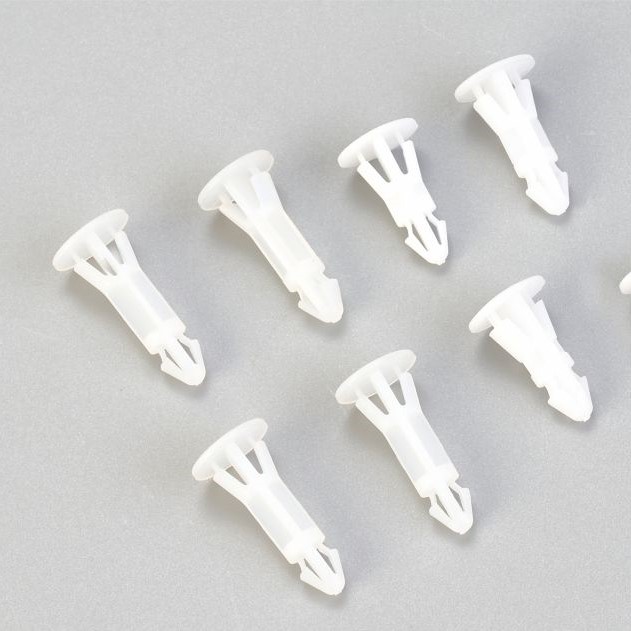 How to use plastic expansion tube ?
  The 133rd Canton Fair exhibition of Huihua Electronics
 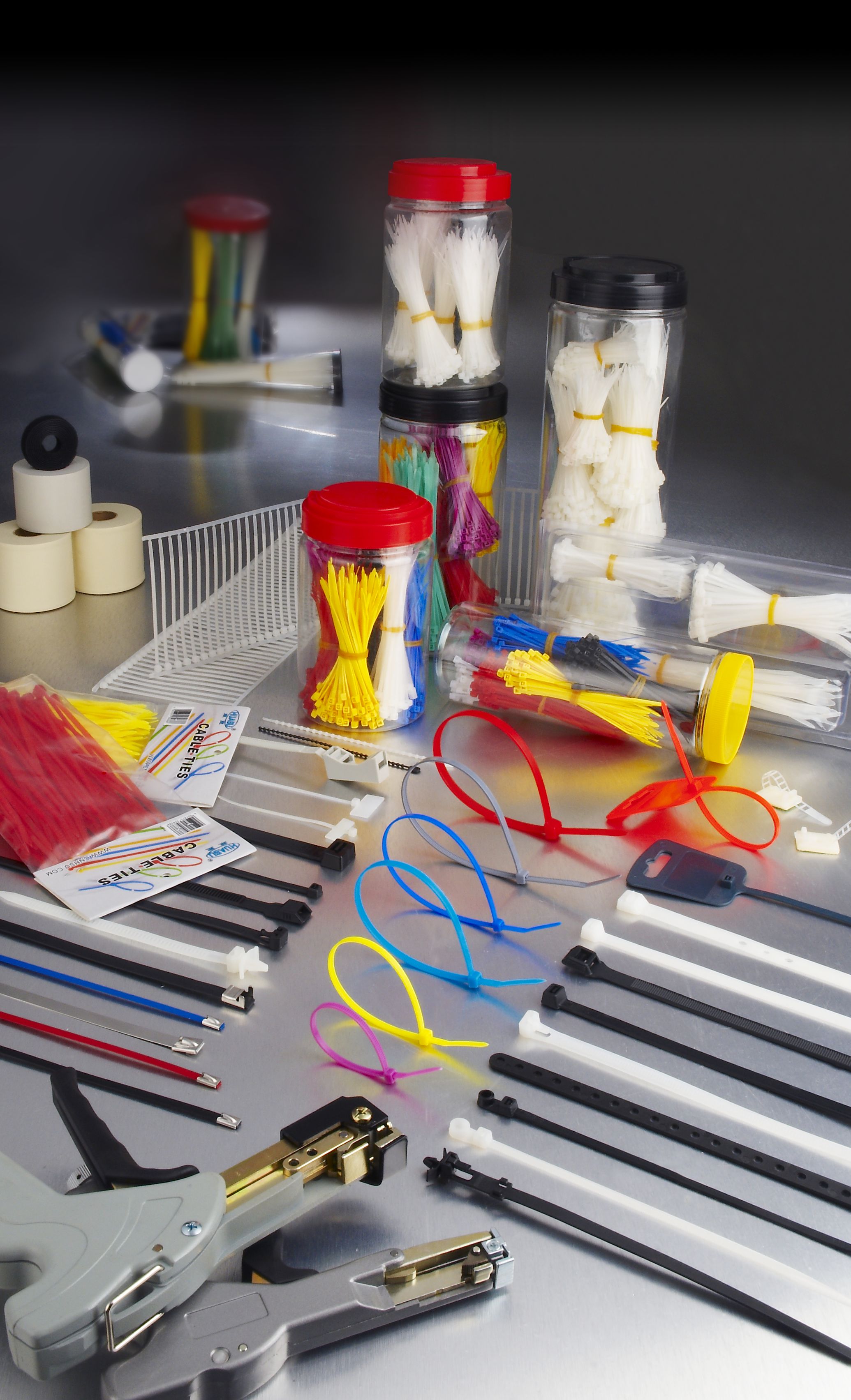 Cable ties
 - What Are Cable Ties?
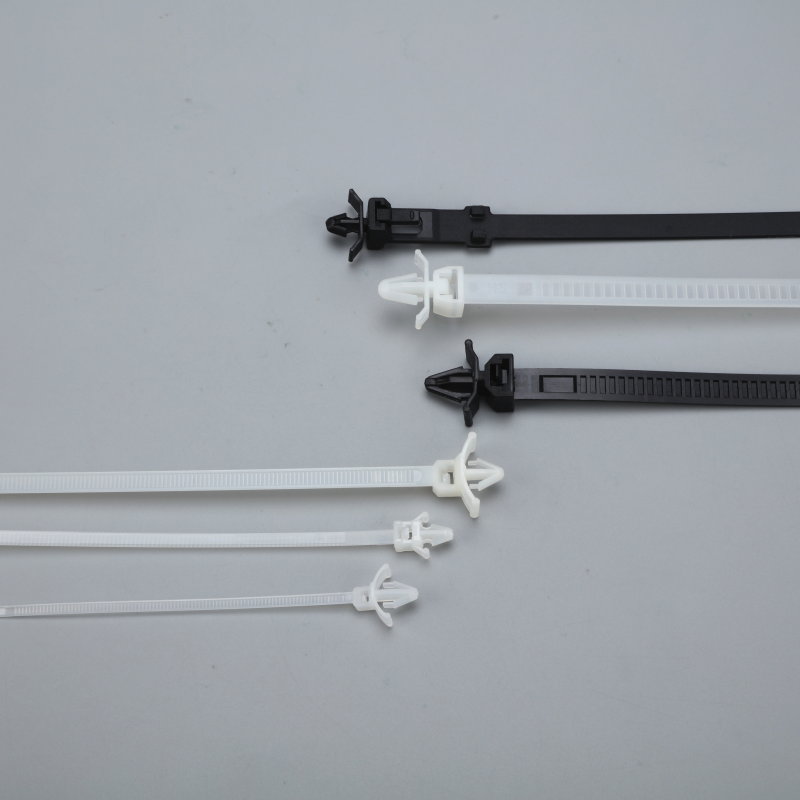 All kinds of cable ties
  What can we do for you today?
 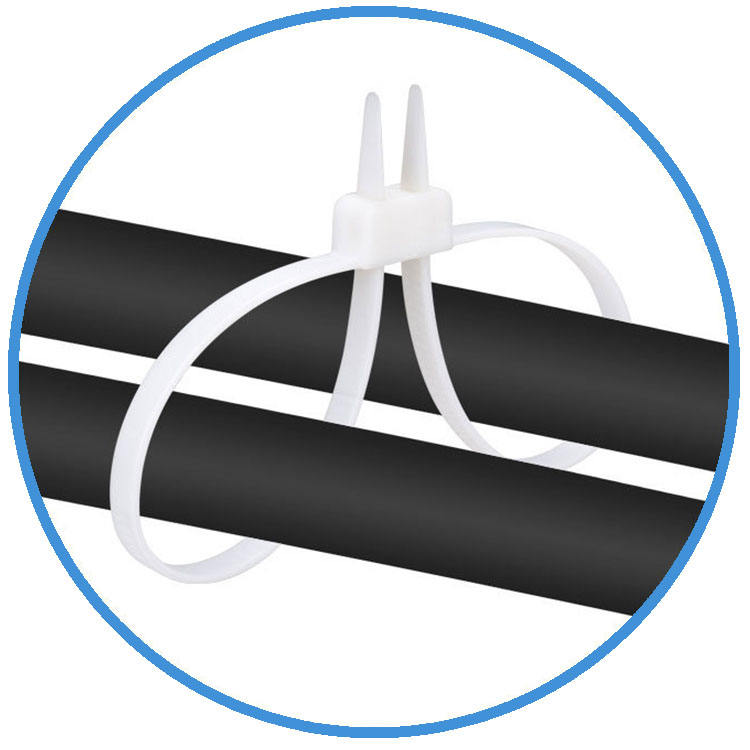 Nylon Cable Ties of Application
  A guide to Self-adhesive Tie Mount
  How to use Stainless Steel Cable Ties
 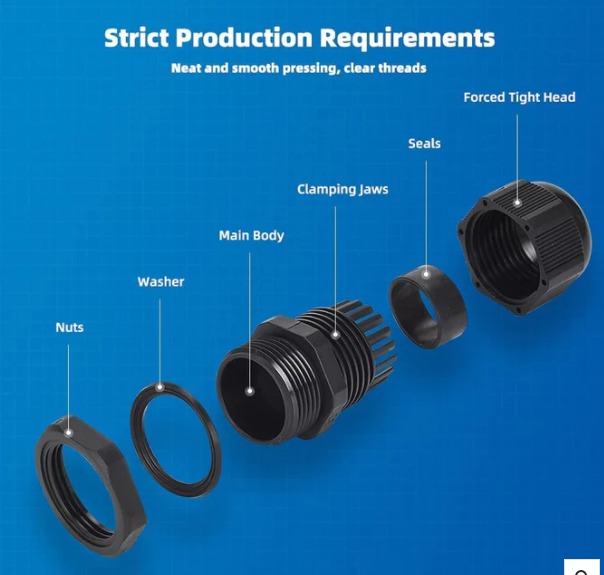 What are the types of cable glands and how to use them?